Flatbed shipping looks simple from a distance, but the process of tarping is often what determines if a load arrives in pristine condition.
When you are tarping a flatbed trailer, you aren’t just covering cargo but protecting a business investment.
Anyone who works in flatbed transportation knows that improper technique can lead to damaged freight, rejected loads, and costly safety violations.
For U.S. businesses, knowing when and how to cover loads correctly is fundamental to responsible freight management.
Proper coverage shields cargo from weather and debris while playing a key role in overall road safety.
The challenge is that various loads require specific gear, such as smoke, steel, or lumber tarps.
Choosing the wrong equipment can create more problems than it solves.
This guide breaks down when specialized protection is required and how the right logistics partner makes flatbed shipping smoother and safer.
Why Does Tarping Matter in Flatbed Shipping?
Unlike enclosed trailers, a flatbed trailer leaves freight exposed. That exposure creates risk.
Rain can ruin finished goods. Wind can tear packaging. Road grime can contaminate materials.
Even sunlight can degrade certain products.
Protective covers create a barrier over the flatbed truck bed.
It helps stabilize loads, shields cargo from damage, and supports compliance with shipper and receiver requirements.
In many cases, tarping is not just a best practice.
It is a condition of delivery. Some receivers will refuse flatbed freight if tarping is incorrect or incomplete.
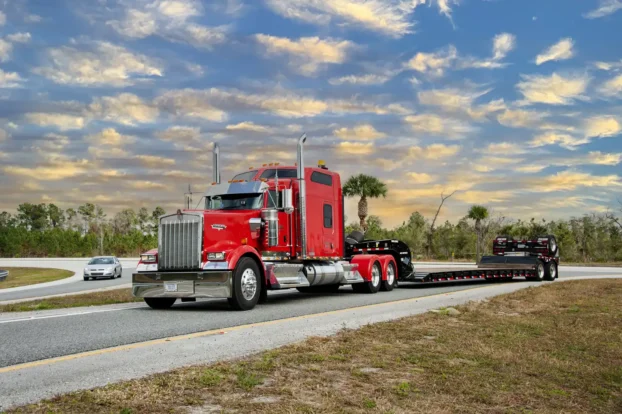
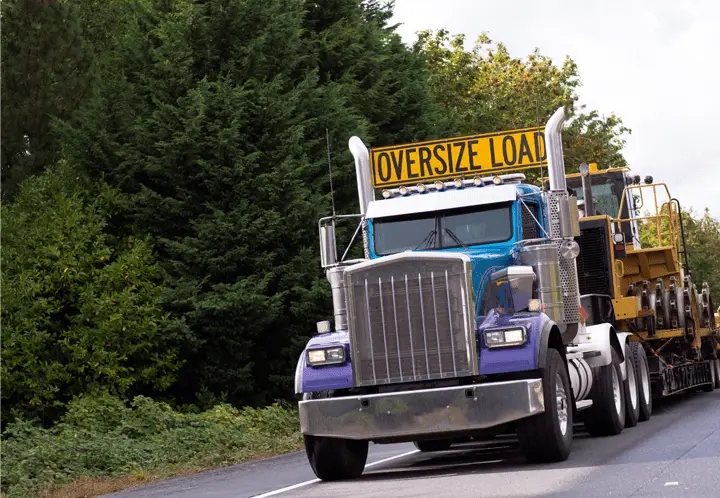
For oversized cargo transport or heavy haul flatbed moves, tarping also supports safe weight distribution and visibility.
A properly tarped load is easier to inspect, easier to secure, and less likely to shift during transit.
When Is Tarping Actually Required?
Not every flatbed shipment needs tarping.
Raw steel beams, certain machinery, and rugged materials may ship uncovered if allowed by the customer and regulations.
Covering the load is usually required when freight can be damaged by moisture, dirt, or wind.
It is also necessary when packaging alone is not enough to protect the product. Many flatbed manufacturers specify tarping as part of their shipping standards.
Tarping is also common when moving high-value goods, finished products, or materials with strict quality controls.
In these cases, tarping is part of risk management, not just protection from rain.
Understanding when tarping is required starts with understanding the cargo itself.
When Do You Use Smoke Tarps?
A smoke tarp is a small, lightweight tarp used to cover the front portion of a flatbed load.
Its main job is to protect freight from exhaust residue, road dust, and light debris.
Smoke tarps are often used when hauling palletized goods, packaged materials, or items that are otherwise wrapped but still exposed at the front of the trailer.
They are common in flatbed transportation where full tarping is not necessary.
Smoke tarps are not designed for heavy weather protection. They work best as a partial shield.
For many flatbed shipments, they provide just enough coverage to meet shipper expectations without adding unnecessary weight or labor.
Using a smoke tarp when full tarping is not required helps balance protection with efficiency.
Why Are Steel Tarps Used for Heavy-Duty Protection?
Steel tarps are the workhorses of flatbed shipping. They are thick, heavy, and built to handle sharp edges and extreme conditions.
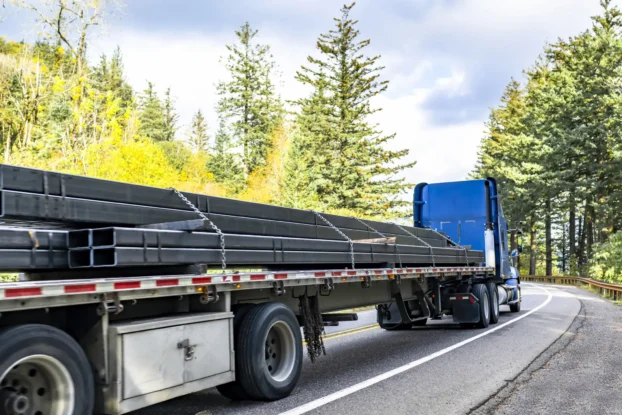
Steel tarps are commonly used for coils, plate steel, pipe, machinery, and other heavy haul flatbed cargo.
These loads often have exposed corners or edges that can tear lighter tarps.
A steel tarp provides full coverage across the flatbed trailer and down the sides of the load. It helps protect freight from rain, snow, and debris while supporting proper flatbed load securing.
Because steel tarps are heavy, they require proper handling and experience.
Improper installation can create loose fabric that flaps in the wind or interferes with tie-down restraint systems.
For heavy haul shipping, steel tarps are often the safest and most reliable choice.
Are Lumber Tarps the Best for Long Load Coverage?
Lumber tarps are designed for long, wide loads. They provide extended coverage and are typically used for lumber, drywall, building materials, and similar flatbed freight.
These tarps often include flaps that protect the sides of the load.
This makes them ideal for flatbed hauling where the cargo spans most of the trailer length.
Lumber tarps help keep materials dry and clean while maintaining airflow.
They are commonly used by flatbed manufacturers and construction suppliers who ship high volumes of weather-sensitive goods.
Choosing a lumber tarp instead of a steel tarp reduces weight while still offering full protection for long loads.
Why Do Tarping and Load Securement Go Hand in Hand?
Tarping does not replace load securement. It supports it.
A tarp must work with chains, straps, and other tie-down restraint systems.
Poor tarping can interfere with securement or hide issues that inspectors need to see.
Flatbed safety tips always stress this point. Secure the load first. Tarp second. Then recheck everything before departure.
In heavy haul flatbed moves, tarping must account for load height, width, and center of gravity. A tarp that catches wind can increase drag and stress on securement points.
Proper tarping improves safety. Improper tarping increases risk.
What Are Common Tarping Mistakes That Cause Problems?
Many flatbed shipping issues start with good intentions but poor execution. Using the wrong tarp type is one of the most common mistakes.
Over-tarping can be just as harmful as under-tarping. Extra weight, poor airflow, and unnecessary labor can slow down delivery and increase costs.
Loose tarps are another issue. Flapping fabric can tear, loosen straps, or distract drivers. It can also lead to citations during roadside inspections.
Finally, failing to match tarping to receiver requirements often results in rejected loads. What worked for one customer may not work for another.
How Does Jansson Make Flatbed Shipping Simpler?
Tarping should not be guesswork. That is where the right logistics partner makes a difference.
At Jansson, flatbed logistics is built around preparation and precision.
We evaluate every flatbed shipment based on cargo type, route, weather exposure, and delivery requirements.
Our team understands when tarping is required and which tarp type fits the load.
Whether it is a smoke tarp for light protection, a lumber tarp for long materials, or a steel tarp for heavy haul shipping, we plan it before the truck rolls.
We work with experienced flatbed carriers who know flatbed safety tips and proper tarping methods.
That reduces delays, protects freight, and keeps loads compliant from pickup to delivery.
Is Tarping the Key to Flatbed Shipping Without the Headaches?

Flatbed transportation is one of the most flexible shipping options available. It can also be one of the riskiest when details are overlooked.
Tarping is one of those details that separates smooth flatbed shipping from costly mistakes.
When done right, it protects cargo, supports safety, and keeps supply chains moving.
When done wrong, it leads to damage, disputes, and delays.
Jansson helps U.S. businesses move flatbed freight with confidence.
From oversized cargo transport to routine flatbed hauling, we manage the details that matter most.
If your business relies on flatbed shipping, let’s make sure tarping is handled the right way. Not by chance. By design.
Book a call with Jansson today and experience flatbed logistics that work as hard as your freight does.