Intermodal shipping is one of the most efficient and cost-effective ways to move freight across the U.S. However, it’s not without its top challenges.
By using a combination of trucking, rail, and sea transport, it offers flexibility and scalability that many small and mid-sized businesses need.
But like any shipping method, it comes with its own set of challenges.
For U.S. companies moving goods in intermodal containers, understanding the top challenges in intermodal shipping is critical.
From terminal delays to tracking issues, understanding how to handle these common problems helps businesses cut costs, reduce risk, and keep freight moving.
Let’s explore nine of the most common challenges in intermodal shipping and how to avoid them with the right strategy and support.
1. Limited Visibility Across Modes
One of the top challenges in intermodal shipping is tracking freight across different modes of transport.
While trucking offers real-time updates, visibility can drop when your cargo transfers to rail or sea. Intermodal shipments pass through multiple hands, which makes tracking harder.
To avoid this, work with an intermodal provider that offers integrated technology.
Systems that unify data from trucking, rail, and sea carriers give you better insight into location, status, and arrival estimates.
This transparency helps you plan better and avoid surprises.
2. Terminal Delays and Congestion
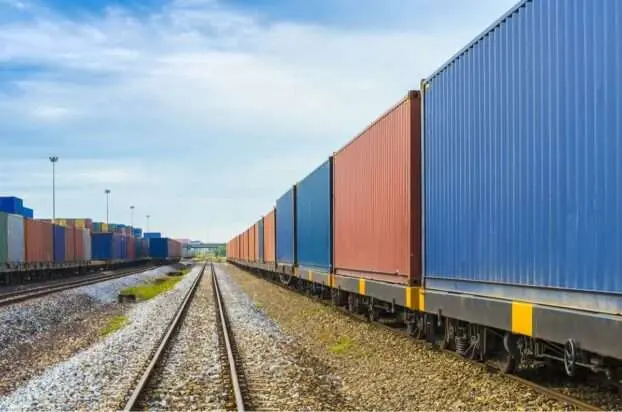
Intermodal transportation often involves rail hubs and port terminals, which can be affected by bottlenecks.
Congestion, limited gate hours, or labor shortages can cause delays in getting your containers on or off a train.
To minimize this risk, choose intermodal providers with strong drayage networks and local experience.
Building flexibility into your schedule and working with providers who share real-time terminal updates can help you avoid delays and extra fees.
3. Drayage Inconsistencies
Drayage refers to the short-distance trucking that moves containers between terminals and warehouses.
It’s a key link in the intermodal chain, but one that often faces issues. These include driver shortages, miscommunication, and poor coordination.
One way to avoid drayage delays is to work with a logistics partner that has direct access to reliable intermodal trucking providers.
This ensures smoother transitions between transport modes and reduces the risk of missed pickups or delivery delays.
4. Freight Damage From Poor Handling
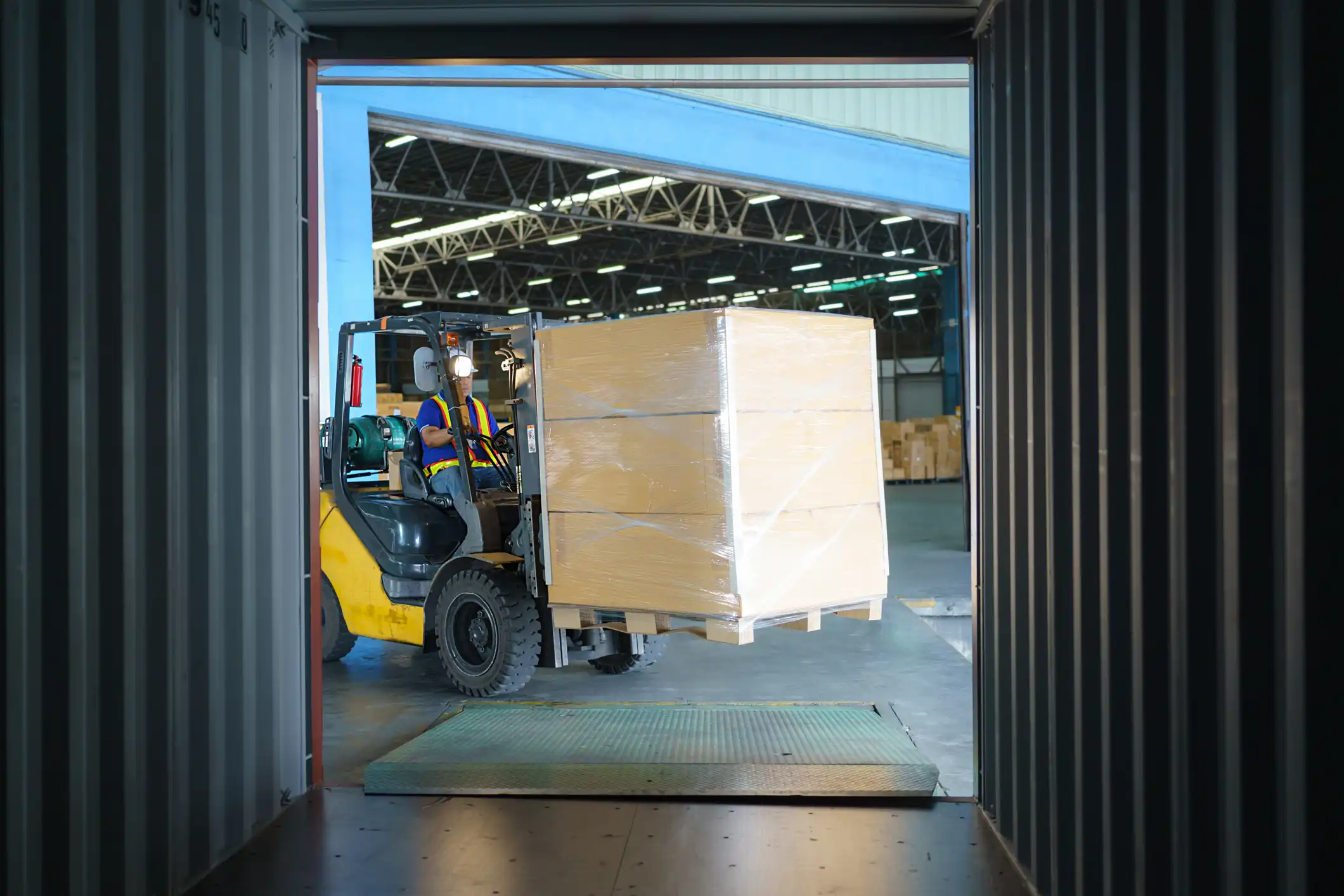
Another one of the top challenges is freight damage. Intermodal containers are handled multiple times, like by crane, truck, and train.
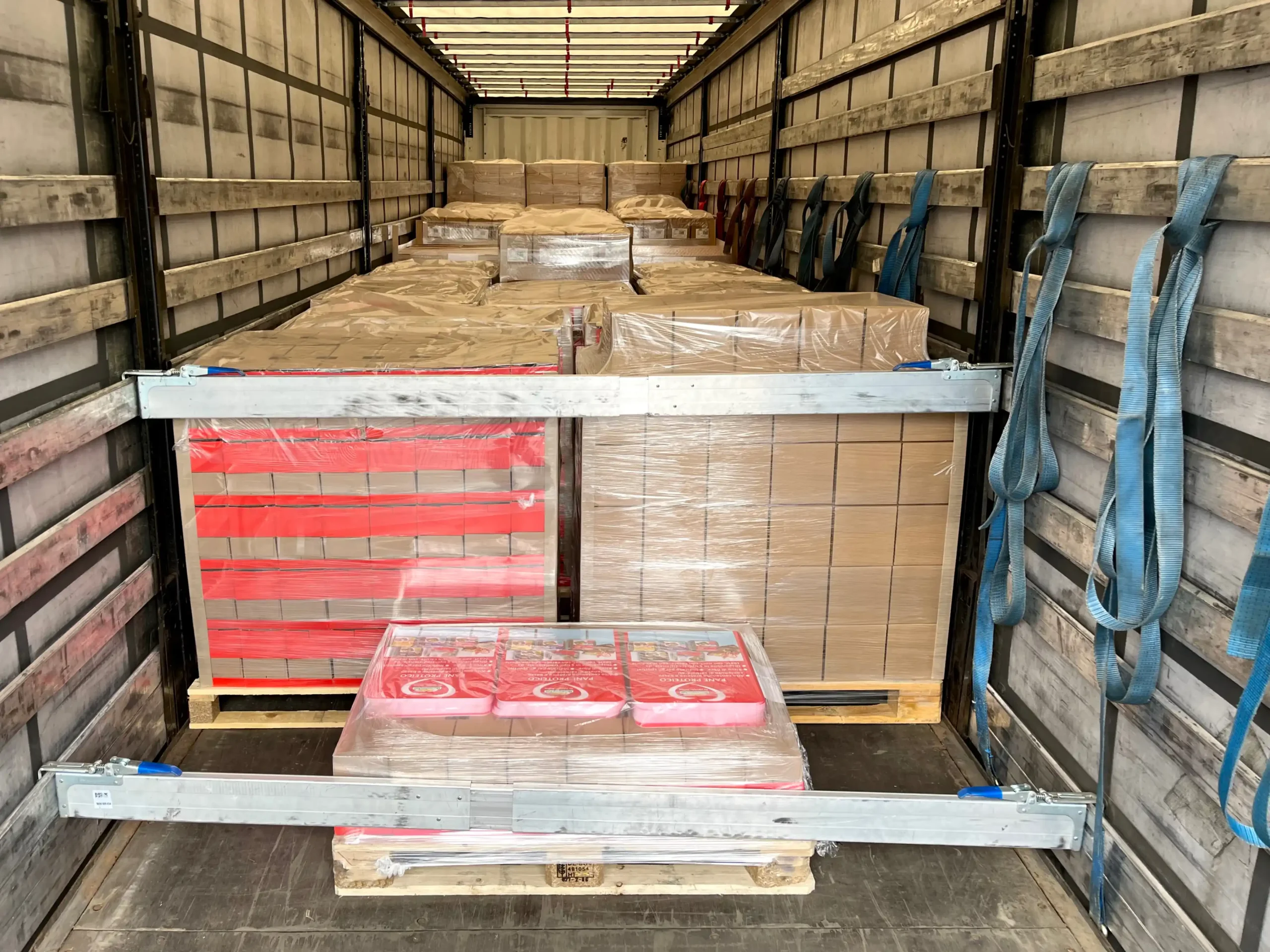
Improper packaging or poorly secured freight inside containers can lead to costly damage.
To avoid this, use standard shipping container sizes and pack freight with intermodal movement in mind. T
hat means using proper bracing, labeling, and securement to keep cargo safe during the journey.
Packaging is not just a warehouse task. It’s part of your risk mitigation strategy.
5. Equipment Availability
The availability of intermodal containers, trailers, and chassis can vary by region.
If your business ships in peak seasons or remote areas, finding the right container or trailer when you need it may be a challenge.
To overcome this, work with providers who have access to diverse carrier networks and can source the proper equipment.
Planning and forecasting demand will help ensure your freight doesn’t sit idle waiting for the right tank, ISO container, or flatcar.
6. Complex Regulations and Documentation
Each leg of an intermodal shipment may require different paperwork and compliance with different regulations.
This includes customs declarations, weight limits, hazmat certifications, and more.
Missing or incorrect documents can delay freight at checkpoints or result in fines.
Avoid this by partnering with a logistics company that understands the ins and outs of intermodal shipping rules and can help you navigate compliance without the guesswork.
7. Inconsistent Transit Times
Rail and sea modes offer cost savings, but they may not always deliver on speed.
Intermodal shipments can experience variable transit times due to weather, port delays, or rail schedules.
To stay ahead of this challenge, build in realistic delivery windows.
Communicate clearly with your customers about expected delivery times and use data from past shipments to plan more accurately.
If speed is critical, prioritize routes or legs that offer time-definite service.
8. Limited Flexibility During Disruptions
Intermodal shipping relies on a coordinated schedule across multiple modes.
If one part of the chain breaks, such as a rail service delay or port strike, your entire shipment could be affected.
Unlike trucking, which can reroute quickly, intermodal transportation is less flexible mid-transit.
Avoid over-dependence on a single intermodal route.
Diversify your lanes and providers, so you have options if disruptions occur.
The right partner can help you pivot when needed and find alternative ways to keep freight moving.
9. Lack of Experience or Strategy
Many U.S. businesses are still new to intermodal. Without the right experience or planning, shipments can fall apart at the handoff points.
This is one of the most overlooked yet common challenges in intermodal.
Avoid this by working with experts who understand the meaning of true multimodal coordination.
Jansson helps you match your freight to the right container and plan the most efficient mix of rail and trucking. With the right partner, intermodal shipping becomes a growth opportunity, not a risk.
How U.S. Businesses Can Overcome the Challenges in Intermodal
Intermodal shipping comes with real advantages, such as lower costs, fewer emissions, and broader reach.
But those benefits only pay off when you manage the challenges well.
At Jansson, we specialize in helping small and mid-sized U.S. companies navigate the complexities of intermodal transportation.
We bring together intermodal container management, smart routing, and access to trusted carriers across trucking, rail, and sea.
Why Work With Jansson?
We don’t just ship containers. We support your business goals.
Whether you’re looking to expand into new markets or reduce freight costs, our intermodal solutions are built around performance, transparency, and care.
We help you select the right equipment (whether wide or standard ISO containers) and match your freight to the transport mode that works best.
That includes helping you understand intermodal meaning in practical terms and integrating intermodal shipments into your existing supply chain.
From door-to-door coordination to real-time tracking and hands-on support, we treat your freight like our own.
Our team works closely with you to avoid the top challenges in intermodal before they impact your operation.
Ready to Tackle the Top Challenges in Intermodal Shipping?
Jansson makes it easy to take advantage of intermodal shipping without the stress.
Whether you’re new to intermodal shipping or want to improve how you move containers, we’ll help you avoid common challenges and create a smarter, more efficient plan.
Book a call with a Jansson expert today. Let’s talk about your freight and how intermodal shipping can support your growth without compromise.