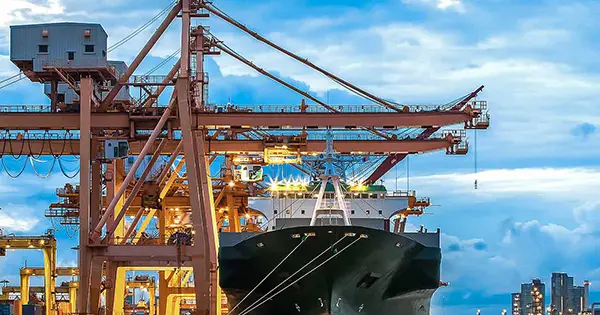
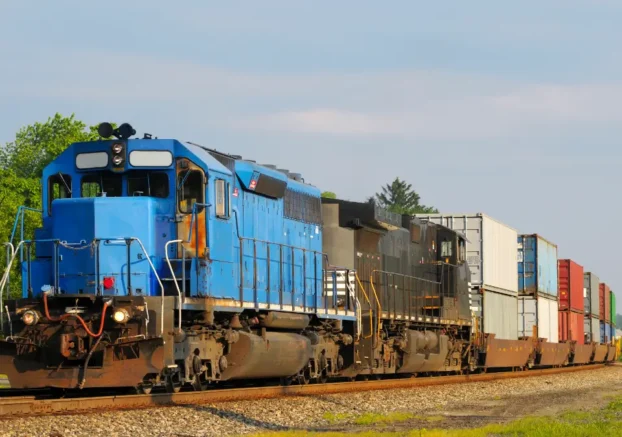
Intermodal freight has become both a solution and a frustration.
Capacity swings. Terminal congestion. Long drayage wait times. Service gaps between eastern and western rail networks.
Even small disruptions in intermodal transportation can ripple across the supply chain.
Shippers want reliability. Fewer handoffs. Smoother coast-to-coast service.
That is why the proposed Union Pacific and Norfolk Southern transcontinental rail merger is drawing attention across the industry.
If approved, it would create the first true single-line transcontinental railroad in U.S. history.
Union Pacific and Norfolk Southern project the combined network could convert over 2,000,000 truckloads from highway to rail intermodal lanes annually.
That is not a small adjustment.
It could fundamentally change how your routing guide is built.
But there is an important context every shipper needs to understand before acting.
Where Does the Transcontinental Rail Merger Stand Right Now?
This deal is real, but it is not done. Union Pacific and Norfolk Southern filed an $85 billion merger application with the Surface Transportation Board in December 2025.
On January 16, 2026, the STB unanimously ruled the application incomplete.
The railroads now face a revised filing deadline, with a new application not expected until at least June 2026.
Regulatory approval, if granted, could take years beyond that.
Meanwhile, rival railroads BNSF and CSX have both opposed the merger.
BNSF warns it would reduce competition and raise shipper rates.
In response, BNSF and CSX announced their own joint intermodal transportation partnership.
They plan on launching new direct intermodal rail lanes connecting Southern California, Charlotte, Jacksonville, Atlanta, and key port markets.
The point is simple.
Whether the transcontinental rail merger is approved or not, the intermodal landscape is already changing around it.
Why Intermodal Has Hit a Ceiling and What Changes Next
Intermodal rail freight has long promised lower costs and better fuel efficiency than long-haul trucking.
For lanes over 700 miles, rail intermodal is already competitive.
Many shippers working with a Landstar freight agent are already taking advantage of these lanes.
But fragmentation has limited its potential.
Coast-to-coast intermodal transportation today requires coordination between separate rail networks.
That means interchange points, added dwell time, and service complexity.
For shippers, that complexity leads to delays and unpredictable performance.
Intermodal trucking partners must align precisely with rail schedules. When one link fails, the entire move suffers.
A successful transcontinental rail merger would eliminate the Chicago interchange bottleneck.
Single-line service means one partner is accountable for the entire intermodal rail freight journey.
That simplifies billing, improves tracking, and could shrink transit times on long-haul lanes.
What Would a 2,000,000 Truckload Shift Actually Mean for Shippers?
A shift of that scale would affect capacity markets across the country.
Long-haul truck capacity could loosen on certain lanes. Regional intermodal container demand could rise sharply near major terminals.
Intermodal trucking providers may see increased drayage volume around key inland hubs.
Shippers that adapt early may secure better rates and more consistent service.
Those that wait could face equipment shortages as demand spikes.
The transcontinental rail merger may not eliminate trucking demand. But it would redistribute it.
That redistribution will affect your routing guide whether you ship by rail or not.
How Should You Prepare Your Routing Guide Now?
Most routing guides today separate truckload and rail options clearly.
If the transcontinental rail merger improves coast-to-coast reliability, more lanes may become viable for intermodal transportation.
Re-evaluate Long-Haul Lanes
Long-haul truck lanes above 1,000 miles could soon shift to intermodal service.
Review Time-Sensitive Freight
As single-line reliability improves, more time-sensitive goods may qualify for rail.
Audit Packaging Standards
Rail moves differently than road. Ensure your freight fits intermodal weight and vibration standards.
What Are the Risks to Watch?
The opportunity is real. But so is the uncertainty.
Regulatory approval timelines may extend well beyond 2026. Integration challenges could create temporary service disruptions.
Terminal infrastructure may need upgrades to handle higher intermodal container volumes.
And if the merger fails entirely, the BNSF-CSX intermodal partnership still reshapes the competitive landscape.
Shippers need contingency plans.
Evaluate both scenarios: a merged network and a more competitive interline market.
How Jansson LLC Guides You Through the Transcontinental Rail Merger
At Jansson LLC, we closely monitor industry developments including the proposed transcontinental rail merger.
Our team analyzes how changes in intermodal rail networks affect capacity, pricing, and transit reliability for U.S. businesses.
Strategic testing helps identify the best new intermodal lanes for your freight.
Precise coordination ensures trucking schedules and rail arrivals match.
These insights allow for data-driven decisions on whether to shift cargo or keep it on the road.
Whether you work with a Landstar freight agent or manage direct rail relationships, Jansson LLC aligns your routing guide with current and future capacity realities.
We study your freight patterns, assess risk, and implement solutions that protect service and control cost.
The Question Is Not Whether Intermodal Will Grow. It Is How Fast You Adapt.
A 2,000,000 truckload shift is not a headline. It is a market realignment.
The transcontinental rail merger may take years to resolve.
But the intermodal landscape is already moving. BNSF and CSX are launching new lanes now.
Capacity is shifting now. Routing guides need attention now.
Those who adjust early may gain cost savings and improved reliability. Those who delay may face tighter capacity and higher rates.
Book a call with a Jansson LLC expert today. Because in logistics, preparation always beats reaction.