Many U.S. businesses think intermodal drayage is simple.
A container moves by rail, a drayage truck picks it up, and the job is done.
But what often gets overlooked is the short leg in between. That short move can make or break your shipment timeline.
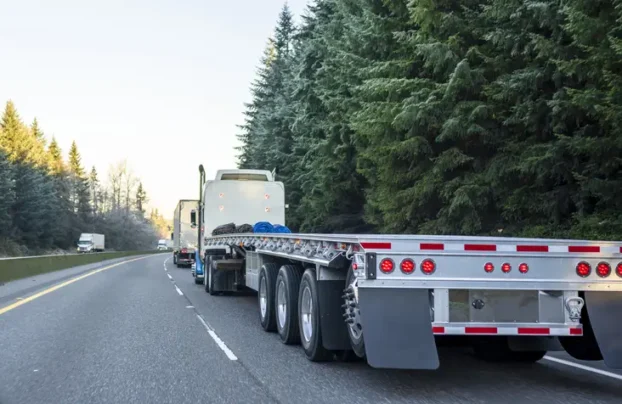
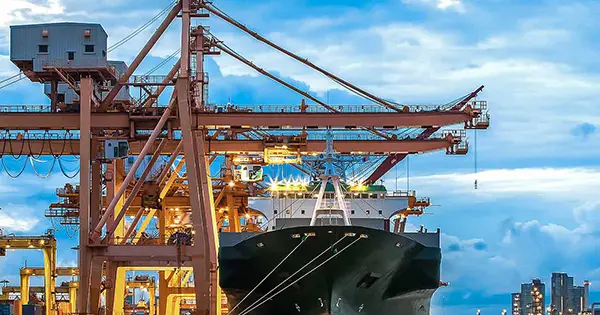
Intermodal drayage is the process of moving an intermodal container between ports, rail yards, warehouses, and distribution centers.
It may only cover a few miles. Yet it carries high risk and high impact.
When businesses misunderstand this link in the chain, delays, storage fees, and missed appointments follow.
To build a reliable shipping strategy, you need to understand both the benefits and the challenges of intermodal drayage and why getting it right matters.
What Is Intermodal Drayage?
Intermodal refers to moving freight using more than one mode of transportation. That often includes truck and rail intermodal combinations.
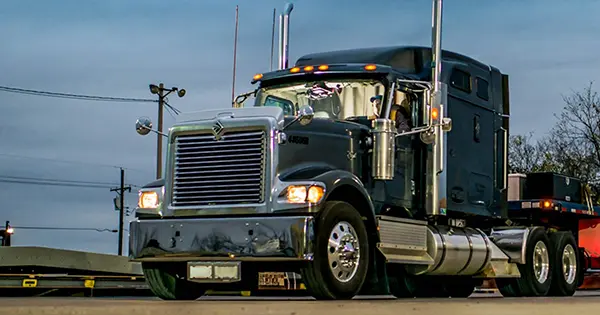
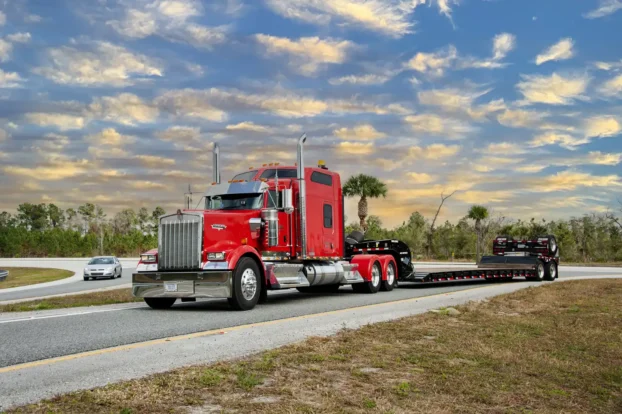
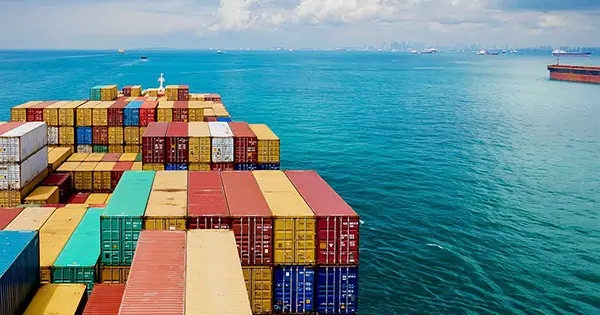
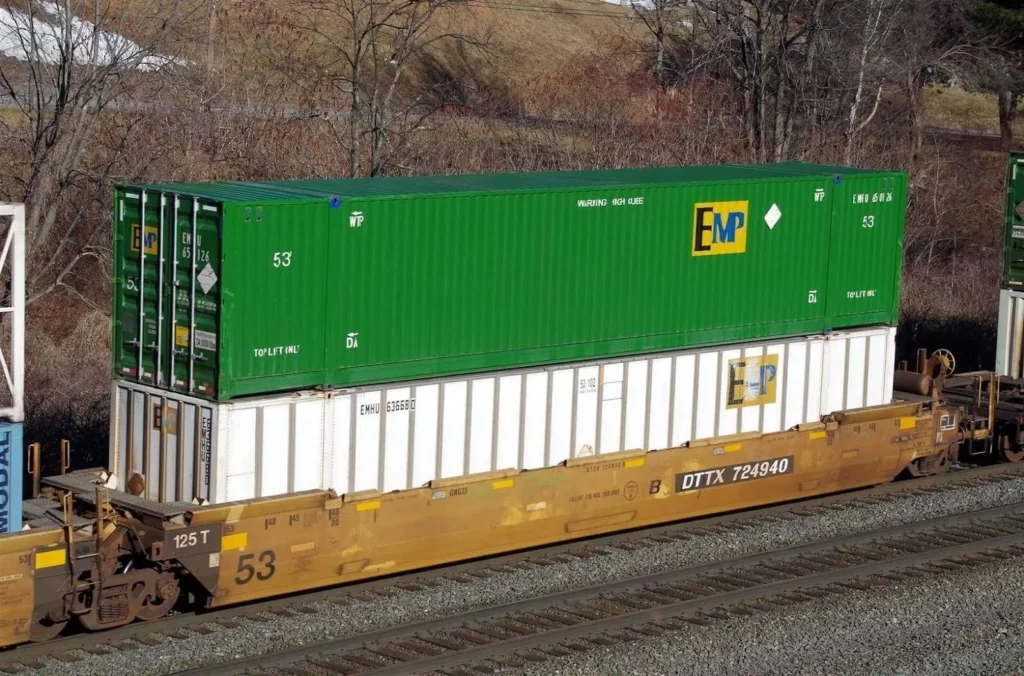
An intermodal container may arrive at a port, transfer to intermodal rail, and then move by intermodal trucking to its final destination.
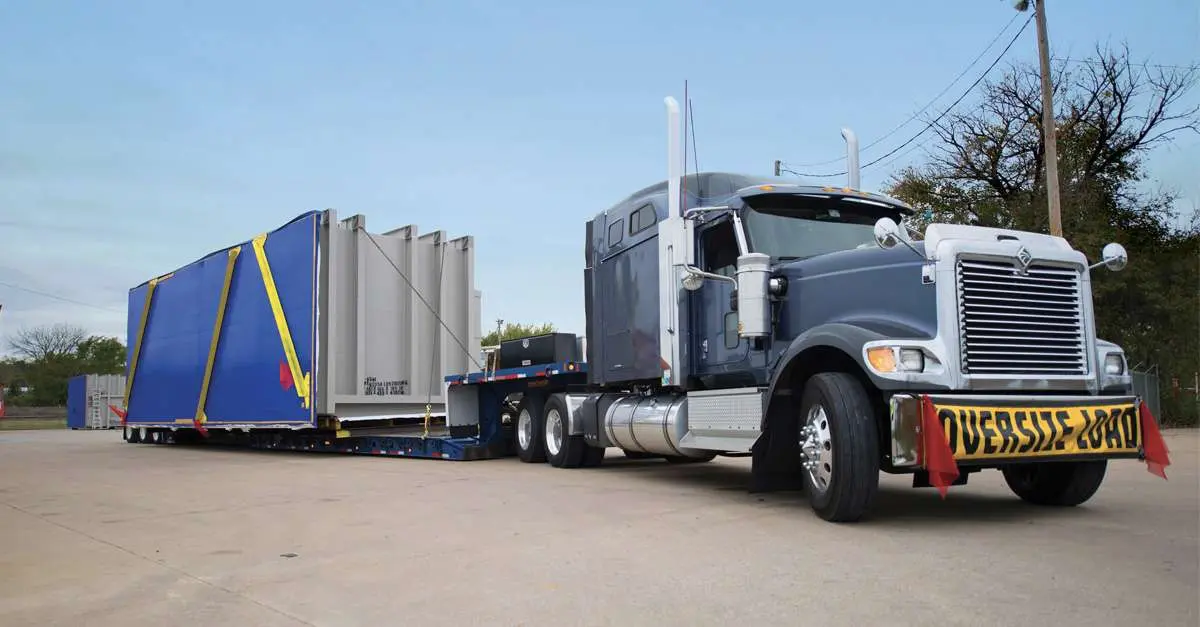
Drayage connects those modes. It is the short-distance transport that keeps freight flowing between terminals and final stops.
Without reliable intermodal drayage, intermodal transportation stalls.
What Are the Key Benefits of Intermodal Drayage?
When managed properly, intermodal drayage offers real advantages. Here is what businesses stand to gain.
1. It Improves Cost Efficiency
Using intermodal rail freight for long distances reduces fuel costs compared to long-haul trucking. Drayage allows businesses to tap into those savings while maintaining local flexibility.
2. It Increases Capacity
Rail intermodal networks can move high volumes of freight at once. This helps shippers avoid capacity shortages during peak seasons without relying entirely on over-the-road options.
3. It Reduces Highway Congestion
By shifting long-haul freight to rail, businesses lower their reliance on over-the-road transport. This can improve transit reliability and reduce exposure to highway delays.
4. It Supports Sustainability Goals
Rail intermodal generally produces fewer emissions per mile than full truckload transport.
When paired with efficient intermodal trucking for final delivery, it creates a more balanced and environmentally responsible shipping model.
5. It Enhances Flexibility
Intermodal transportation allows companies to adapt routes based on cost, speed, and demand.
Drayage provides the local agility needed to make those shifts possible.
These benefits make intermodal drayage attractive. But they only materialize when the process is managed correctly.
What Are the Common Challenges in Intermodal Drayage?
Despite its advantages, intermodal drayage comes with challenges that many businesses underestimate. Here is where things can go wrong.
1. Port and Rail Congestion
Terminals can experience heavy traffic. Delays at pickup or drop-off points lead to detention and demurrage charges that add up fast.
2. Equipment Availability
Access to chassis and drivers can fluctuate. Without proper coordination, intermodal containers may sit idle while your shipment timeline slips.
3. Scheduling Complexity
Intermodal transportation depends on tight timing between rail arrivals and truck pickups. A missed window can create ripple effects across the entire supply chain.
4. Communication Gaps
Rail operators, drayage providers, warehouses, and freight agents must stay aligned. Poor visibility increases confusion and the risk of costly errors.
5. Regulatory Compliance
Drayage operations must meet local port rules, environmental regulations, and safety standards. Mistakes can cause fines or shipment holds that delay delivery.
These risks explain why intermodal drayage requires more oversight than many companies expect.
Why Drayage Impacts the Entire Supply Chain
Because intermodal drayage connects major transportation modes, small disruptions can create large consequences.
If an intermodal container misses its rail departure, the entire schedule shifts. If a drayage truck arrives late at a warehouse, dock appointments are lost.
In many cases, companies focus on the long-haul segment.
They compare rail intermodal rates and transit times. Yet the short drayage leg determines whether those savings hold up in practice.
That is why intermodal trucking must be coordinated with precision.
How Technology Improves Intermodal Performance
Modern intermodal transportation relies on visibility tools and real-time tracking.
Shipment updates allow businesses to monitor rail intermodal progress. Coordinated scheduling systems reduce idle time. Data helps forecast congestion and adjust routes.
Strong communication between drayage providers and terminals also reduces confusion.
Without these systems, even well-planned intermodal rail freight programs can fall apart.
The Role of an Experienced Partner
Managing intermodal drayage internally can be overwhelming.
Businesses must coordinate rail carriers, trucking providers, chassis pools, warehouse docks, and customs requirements when applicable.
Each touchpoint introduces risk.
That is where experience matters.
A knowledgeable logistics partner understands terminal operations.
Predicting congestion trends is the first step. Securing reliable drayage capacity before peak periods hit ensures the schedule stays on track.
Instead of reacting to problems, they prevent them.
How Jansson LLC Simplifies Intermodal Drayage
At Jansson LLC, we understand that intermodal drayage is not just a short move. It is a critical link in your supply chain.
We coordinate intermodal trucking with rail schedules to reduce idle time and prevent costly storage fees.
Our team works closely with rail intermodal networks and terminal operators to maintain alignment.
We also provide visibility across the full intermodal transportation process. From port arrival to final delivery, you know where your intermodal container is and what happens next.
Our proactive approach minimizes detention and demurrage exposure.
We plan appointments carefully. We confirm equipment availability in advance.
When congestion occurs, we act quickly by adjusting schedules, communicating clearly, and protecting your timelines.
The Bottom Line for Intermodal Drayage

Intermodal transportation offers cost savings, flexibility, and sustainability benefits.
But those benefits depend on effective intermodal drayage.
Overlooking the drayage leg can lead to congestion, storage fees, and service failures.
Getting it right requires coordination, visibility, and experience.
Partnering with Jansson LLC provides the oversight needed to keep freight moving.
We manage intermodal trucking, align rail schedules, and reduce the risks that slow shipments down.
In today’s logistics environment, the shortest leg of the journey often carries the greatest impact.
Book a call with Jansson LLC today to optimize your intermodal drayage and protect your margins.