If you’re a U.S. business shipping smaller loads that don’t quite fill a truck, you’ve probably heard the term LTL shipping.
But what is LTL shipping, exactly?
And when does it make sense to use it over other freight options?
Whether you’re sending a few pallets across state lines or managing inventory between warehouses, understanding less than truckload (LTL) shipping can help you lower costs, streamline operations, and gain flexibility.
Let’s break it down in simple terms.
What Is LTL Shipping?
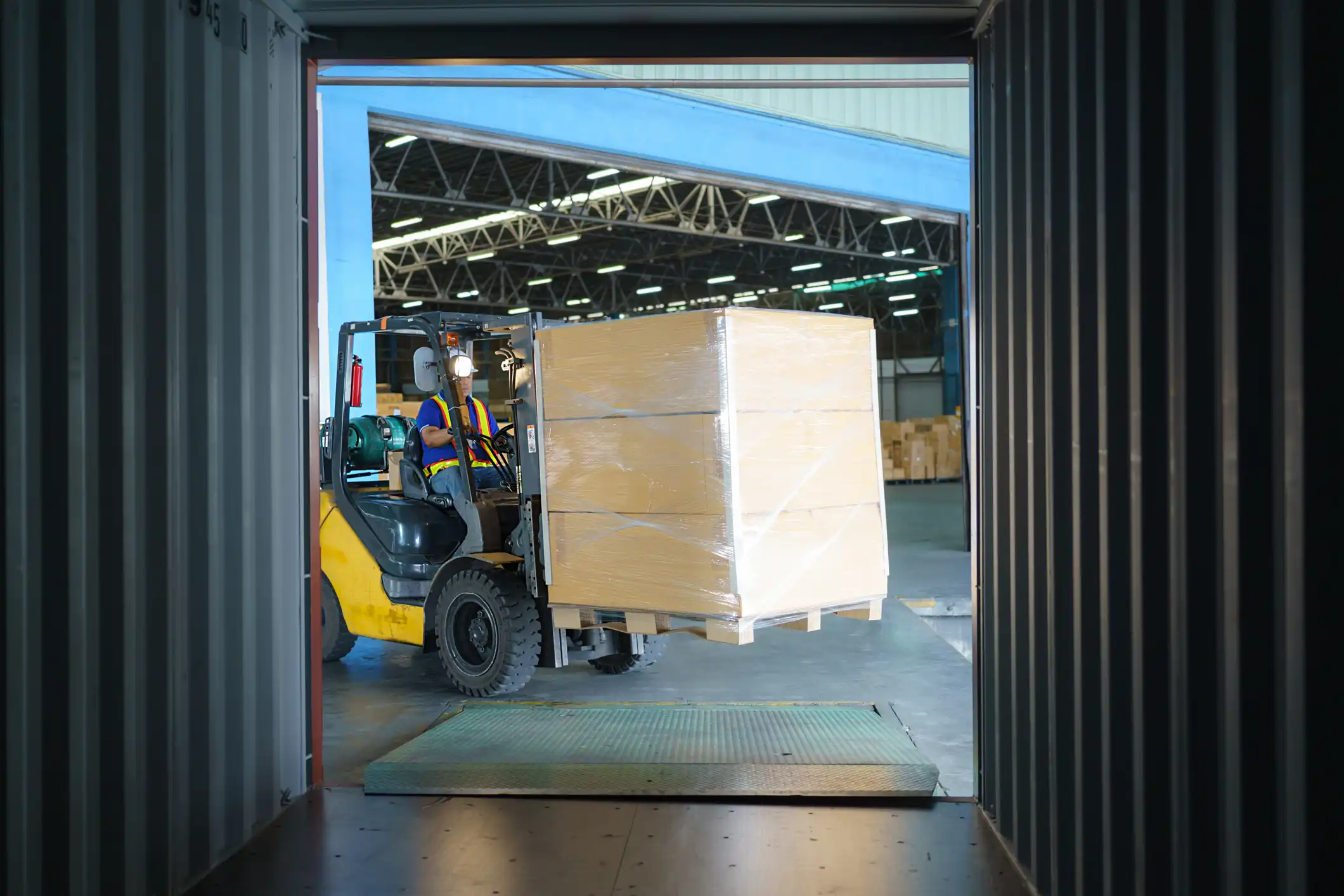
LTL shipping stands for less-than-truckload shipping. It’s used when your freight doesn’t require an entire trailer.
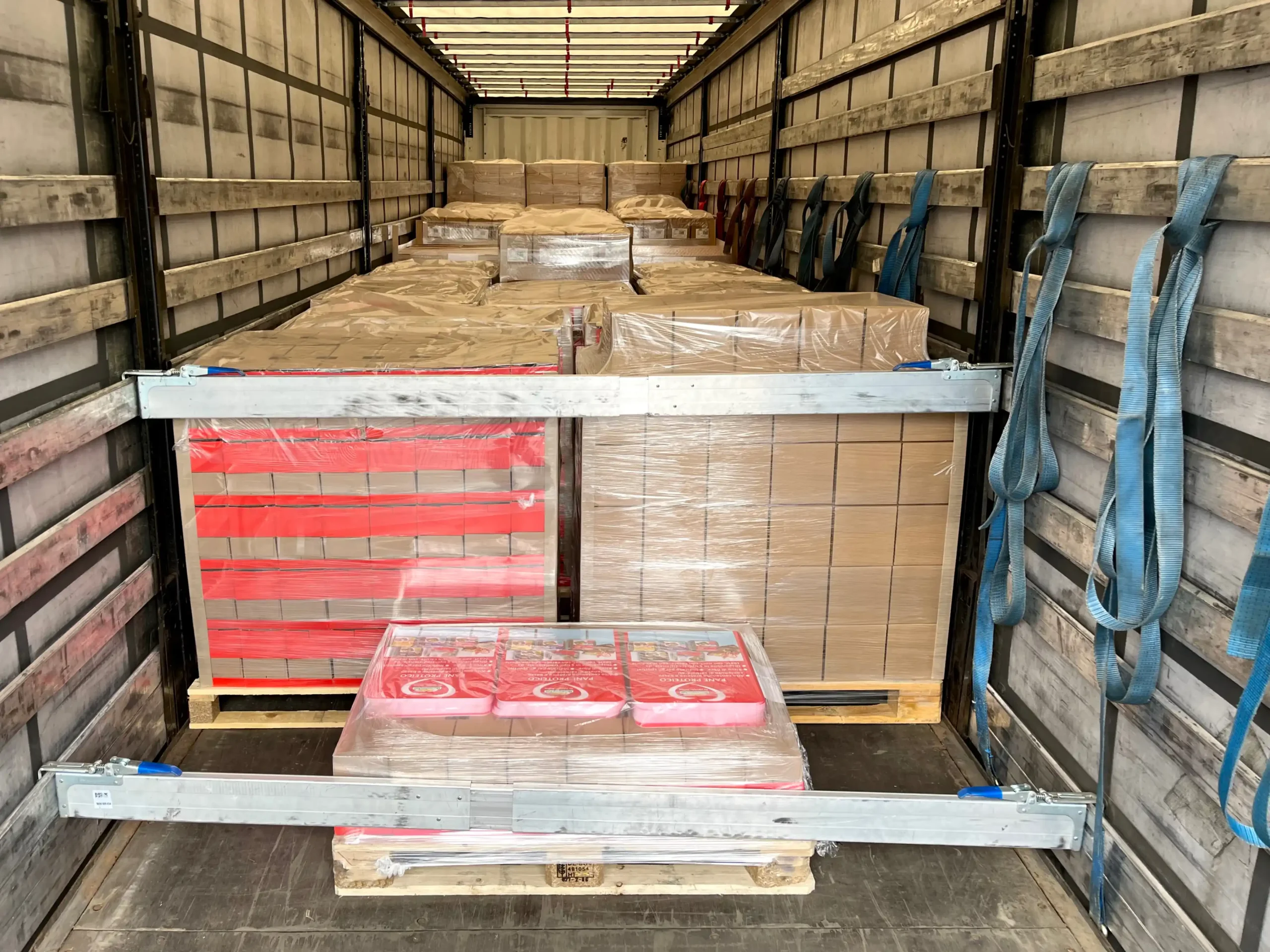
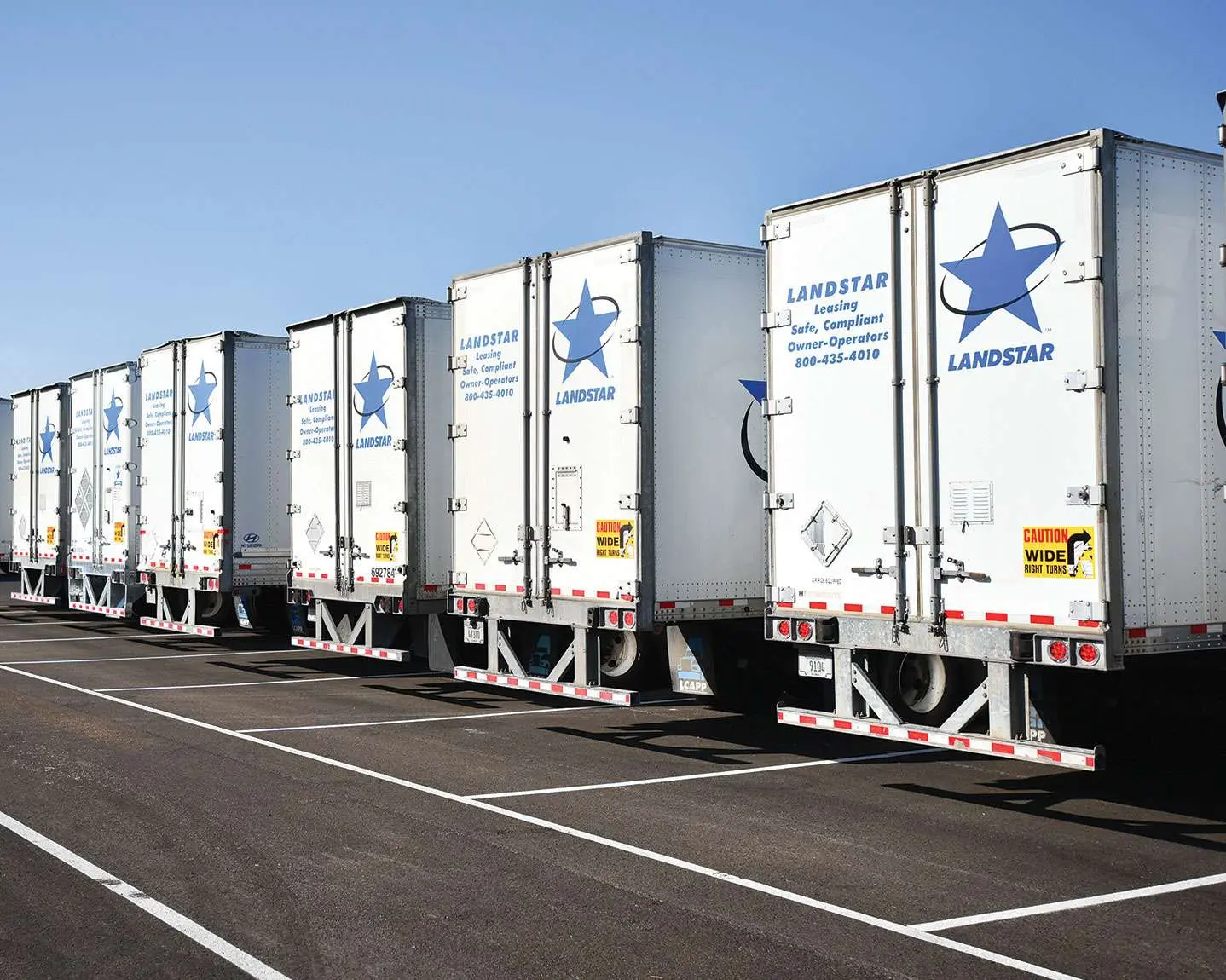
Instead of paying for a full truckload, your shipment is combined with freight from other companies.
This way, you only pay for the portion of the space you actually use.
In the U.S., LTL shipments usually weigh between 150 and 15,000 pounds.
They’re too big for parcel carriers like FedEx or UPS, but too small to justify booking an entire truck.
Think of LTL freight shipping like carpooling for cargo.
You’re sharing space (and cost) with other shippers going in the same general direction.
What Is the LTL Shipping Method?
The LTL shipping method involves several touchpoints.
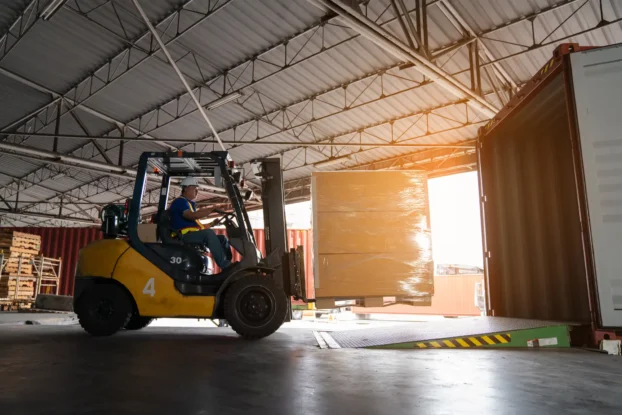
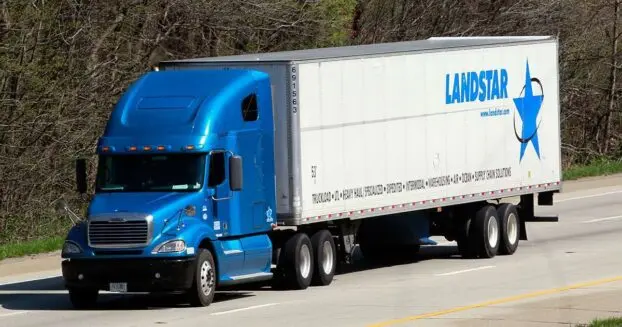
Your shipment is picked up, taken to a local terminal, sorted, and then loaded onto a linehaul truck that transports it to a destination terminal.
From there, it’s loaded again for final delivery.
This multi-stop process makes LTL shipping more affordable for smaller loads.
However, it also means transit times may be slightly longer than with full truckload shipping.
That said, modern LTL freight shipping networks are highly optimized.
With the right logistics partner, businesses can enjoy dependable service, visibility, and cost control.
What Is LTL Freight Used For?
LTL freight is used by U.S. businesses in nearly every industry, like retail, manufacturing, distribution, healthcare, and more.
Common use cases include restocking inventory, shipping e-commerce orders, or sending equipment between facilities.
It’s especially useful when shipments are consistent but not quite big enough to justify a dedicated truck.
It also helps when delivery flexibility, not speed, is the top priority.
When to Use LTL Shipping?
There are a few clear signs it’s time to consider LTL shipping for your business.
You’re not filling an entire trailer, and the freight weighs less than 15,000 pounds. The shipment isn’t urgent, but timely delivery still matters. Saving money is a priority, but not at the cost of reliability.
If any of those apply, less than truckload (LTL) freight could be the right move.
It offers a balance between cost efficiency and service flexibility that’s ideal for many U.S. companies.
What Are The Benefits of LTL Shipping for U.S. Businesses?
One of the biggest advantages of LTL freight shipping is cost savings.
Because you’re only paying for part of the truck, your shipping budget goes further.
It’s also more environmentally friendly. Shared loads mean fewer trucks on the road, which reduces emissions and overall fuel use.
For U.S. businesses with frequent but smaller shipments, LTL shipping adds much-needed agility.
You can move products without waiting to fill a truck, helping you respond faster to customer needs and changing demand.
Challenges to Keep in Mind
While LTL shipping offers many benefits, it’s important to understand a few key considerations that come with this method.
More Handling Points Means Higher Risk
Because LTL shipments are combined with other freight, they’re loaded and unloaded multiple times.
Each transfer increases the chance of damage or delay, especially if the cargo isn’t packaged securely.
Pricing Can Be Complicated
LTL freight shipping rates aren’t one-size-fits-all. Carriers calculate cost based on freight class, weight, dimensions, and distance.
That means even slight changes in how your shipment is packaged can impact the final price.
Logistics Partners Can Help You Avoid Surprises
Understanding the ins and outs of less than truckload (LTL) shipping isn’t always easy.
A reliable logistics partner can help you plan, estimate costs accurately, and avoid overpaying.
Still a Smart Choice for Growing Businesses
Despite the complexity, LTL shipping remains a flexible and cost-effective option for U.S. companies.
When managed well, it supports business growth without the overhead of full truckload commitments.
Choosing the Right LTL Freight Partner
When it comes to LTL shipping, the right logistics partner makes all the difference.
Access to trucks isn’t enough. Reliable service, proactive tracking, and a team that truly understands your business make all the difference.
At Jansson, we help U.S. businesses get the most out of LTL freight shipping by making every step (from pickup to delivery) simpler, smarter, and more efficient.
Whether you’re moving a few pallets locally or shipping across the country, our end-to-end support helps ensure your LTL shipments stay on time and on budget.
Built Around Your Business
Jansson tailors every less than truckload (LTL) shipping solution to your freight type, delivery goals, and customer needs.
We don’t believe in one-size-fits-all.
Visibility You Can Count On
From the moment your shipment leaves the dock, you’ll have real-time tracking and clear updates.
This way, you’re never left guessing.
Small Loads, High Priority
No matter the size, your shipment matters.
We handle LTL freight with the same care and urgency as full truckloads.
Scalable Solutions That Grow With You
As your shipping needs evolve, we’re ready.
Our national carrier network and smart routing tools help you scale without added stress.
Support That Stays Involved
With Jansson, you’re never on your own.
Our team stays engaged throughout the process, giving you fast answers, problem-solving support, and consistent communication.
Let’s Simplify LTL Freight Shipping
If you’re a U.S. business looking to move smaller loads more efficiently, LTL freight shipping can give you the flexibility, visibility, and cost control your supply chain needs.
At Jansson, we make less than truckload (LTL) shipping easy to manage, whether you’re shipping a few pallets or scaling up to regular weekly routes.
Book a call with a Jansson expert today to explore smarter, more strategic LTL solutions tailored to your business.