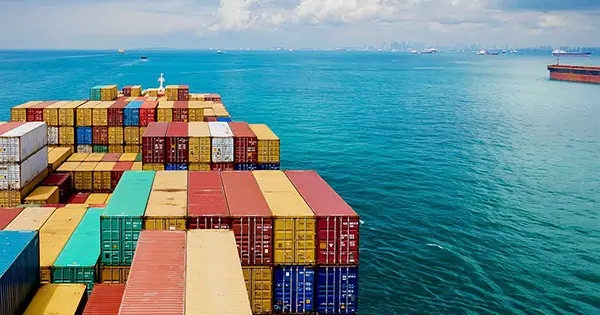
A business contingency plan has never been more critical for U.S. companies involved in international shipping than it is right now.
According to Reuters, major shipping routes are facing unprecedented disruption in 2026.
The Red Sea, once home to 12% of world trade, is still largely avoided by shippers following years of attacks on cargo vessels.
The Strait of Hormuz, through which roughly a fifth of global oil and gas supply flows, faces new blockage risks.
Together, these disruptions are pushing freight costs higher and forcing carriers to reroute across longer, more expensive paths.
For U.S. businesses, delays are no longer rare events. They are part of the landscape.
Ports slow down. Routes change. Capacity tightens overnight.
The companies that stay ahead are not the ones that react fastest. They are the ones that prepare early.
A solid plan built in advance protects your freight, your timelines, and your customer relationships.
Contingency plans keep freight moving when disruptions hit. The key is building one that can be activated within 48 hours.
Why Disruptions Are the New Normal
Global supply chains are more connected than ever. That also makes them more fragile.
Disruptions in one region ripple across multiple countries. Port delays in Asia hit deliveries in North America. Customs clearance can slow overnight with a single policy change.
These events are not always predictable. But their impact can be managed.
Without a clear business contingency plan, companies scramble for solutions.
That leads to rushed decisions, higher costs, and missed deadlines.
With the right preparation, those same challenges can be handled with speed and control.
What a 48-Hour Plan Actually Means
A 48-hour plan is not about solving every problem in two days. It is about having a system ready to act within that window.
When a disruption happens, your team should know exactly what to do.
No confusion about next steps, responsibilities, or alternative routes.
A strong business contingency plan delivers clarity, and clarity delivers speed.
Here are eight steps to build one.
Step 1: Map Your Critical Shipping Routes
Start with visibility. Understand where your shipments move and which routes carry the most risk.
Some lanes are more exposed to delays due to congestion, regulations, or regional instability.
Others may depend heavily on a single port or carrier.
Mapping your key routes reveals where disruptions are most likely to strike, and where your plan needs to be strongest.
Step 2: Identify Your Weak Points
Once routes are mapped, identify vulnerabilities.
Where could delays occur? Which shipments are time-sensitive? Which carriers present the highest risk?
Many businesses assume their setup is stable until a disruption proves otherwise.
A good business contingency plan challenges those assumptions before events force the issue.
Step 3: Build Alternative Routing Options
Backup routes are the backbone of any contingency plan.
If a port becomes congested or a border crossing slows, you need another way to move your freight.
Backup options include different ports, carriers, and transportation modes.
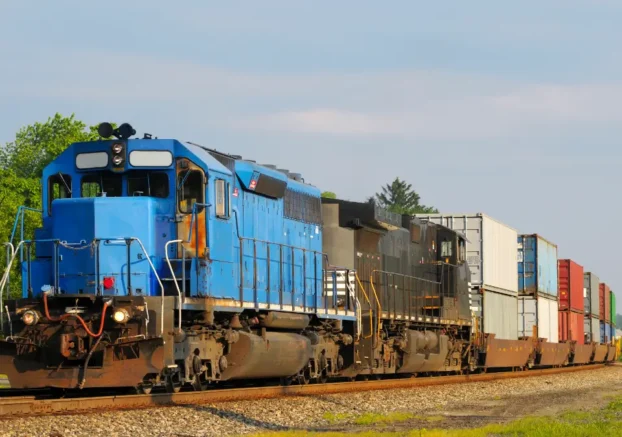
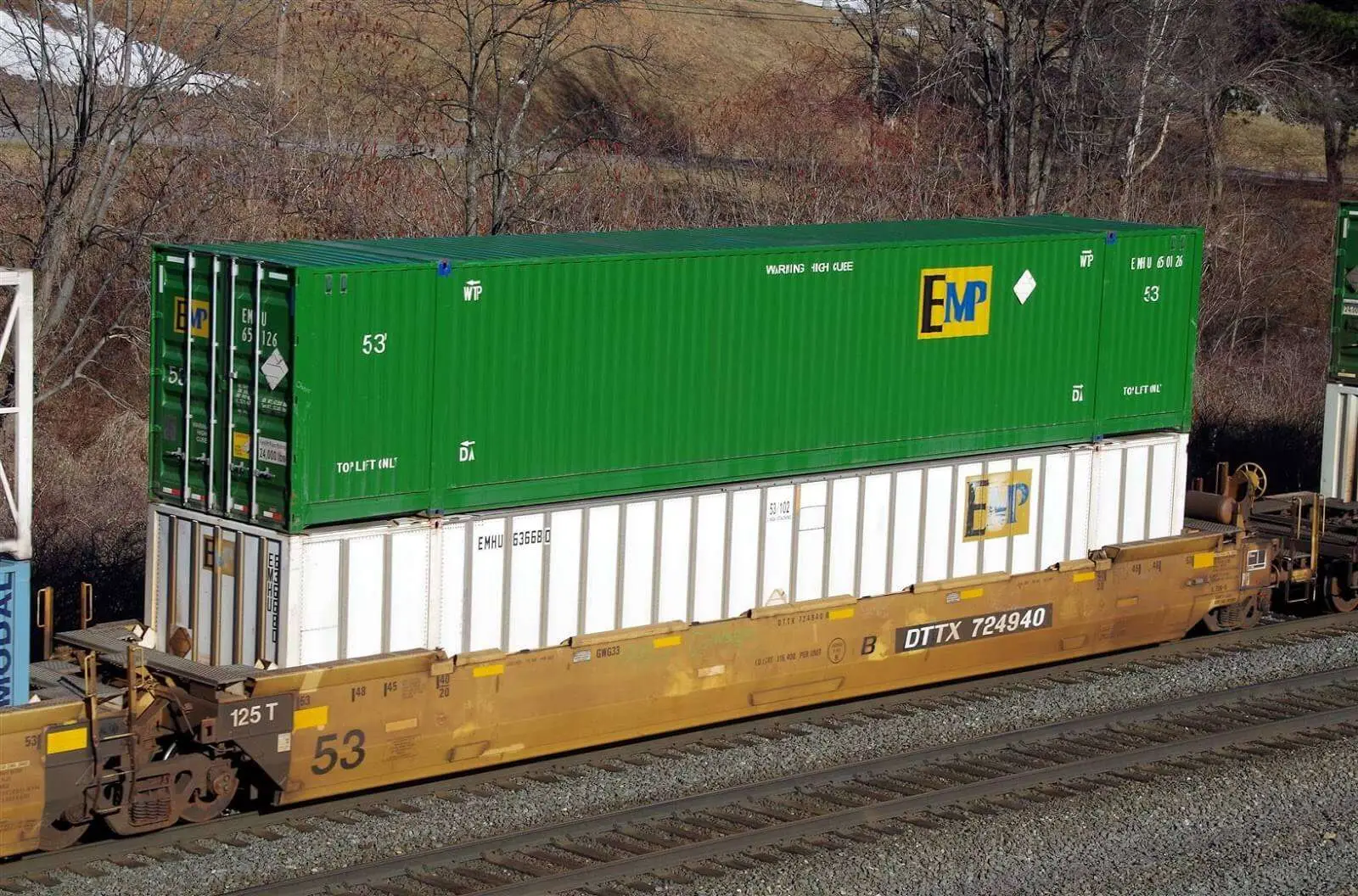
Urgent shipments can shift from ocean to air. Rail can be incorporated into a multimodal solution.
These options must be defined before a disruption happens.
Contingency plans keep freight moving when disruptions threaten your supply chain.
But only if alternatives are already in place.
Step 4: Strengthen Communication Channels
Even the best plan fails without clear communication.
During disruptions, delays worsen when teams are not aligned. Updates get missed. Decisions stall.
A strong business contingency plan sets clear protocols.
This includes who gets notified, how quickly updates are shared, and what information is needed to make decisions fast.
Step 5: Secure Flexible Carrier Capacity
Capacity tightens fast during disruptions. Carriers shift priorities. Rates climb quickly.
Working with multiple carriers and maintaining strong relationships gives you options when conditions change.
A reliable, flexible network is a core component of any effective business contingency plan.
Step 6: Prepare Documentation in Advance
Customs delays are one of the most common consequences of global disruptions.
Incomplete or incorrect paperwork can hold shipments for days.
In high-pressure situations, those delays become costly fast.
Preparing documentation in advance, and having clear processes for customs requirements across different regions, reduces this risk significantly.
Step 7: Run Scenario-Based Planning
Planning is most effective when it is tested.
Scenario exercises help teams prepare for real situations, such as, port closures, carrier shortages, and sudden regulatory changes.
These simulations sharpen your business contingency plan. They surface gaps and strengthen response strategies before a real disruption hits.
Step 8: Monitor Global Conditions in Real Time
Global events move quickly. Businesses that monitor changes proactively can act sooner.
Real-time visibility into shipments and external conditions allows faster adjustments.
This ongoing awareness is what keeps operations running smoothly.
Additionally, it reinforces why contingency plans keep freight moving when disruptions strike.
The Cost of Not Being Prepared
Without a clear plan, disruptions create serious consequences.
Missed delivery deadlines damage customer trust. Rising costs reduce margins. Supply chain delays disrupt production schedules.
These risks are avoidable.
A well-structured business contingency plan turns uncertainty into a manageable challenge rather than a crisis.
How Jansson LLC Supports Your Business Contingency Plan for International Shipping
Building and managing a contingency plan takes time, expertise, and the right logistics network.
That is where Jansson LLC makes a difference.
As a Landstar freight agent, Jansson connects U.S. businesses with a broad network of experienced carriers and global delivery solutions.
Air freight, ocean freight, customs brokerage, and multimodal routing are all available through Landstar’s global infrastructure.
We’re giving clients the flexibility to adapt quickly when conditions change.
Our team helps businesses develop practical contingency strategies that are ready to activate when needed.
Route optimization, carrier coordination, and documentation support are all part of how we keep freight moving.
Our approach is straightforward. Plan ahead. Stay flexible. Act fast.
Talk to a Jansson LLC expert today and let’s talk about building a resilient international shipping strategy for your business before the next disruption arrives.