The 500-mile rule is one of the most practical frameworks in logistics and one of the most underused by U.S. businesses shipping long-haul freight.
Not every shipment is the same.
Over-the-road trucking and intermodal shipping both have real strengths, and the key is knowing when each one makes more sense.
This article focuses on intermodal, specifically, the conditions under which it outperforms standard OTR shipping.
And why the 500-mile mark is where that conversation always starts.
What Is Intermodal Shipping?
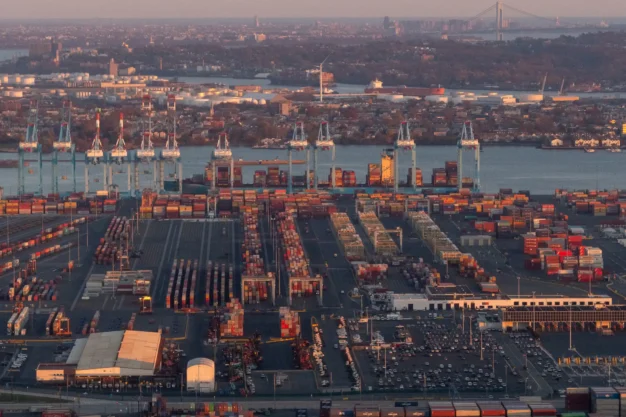
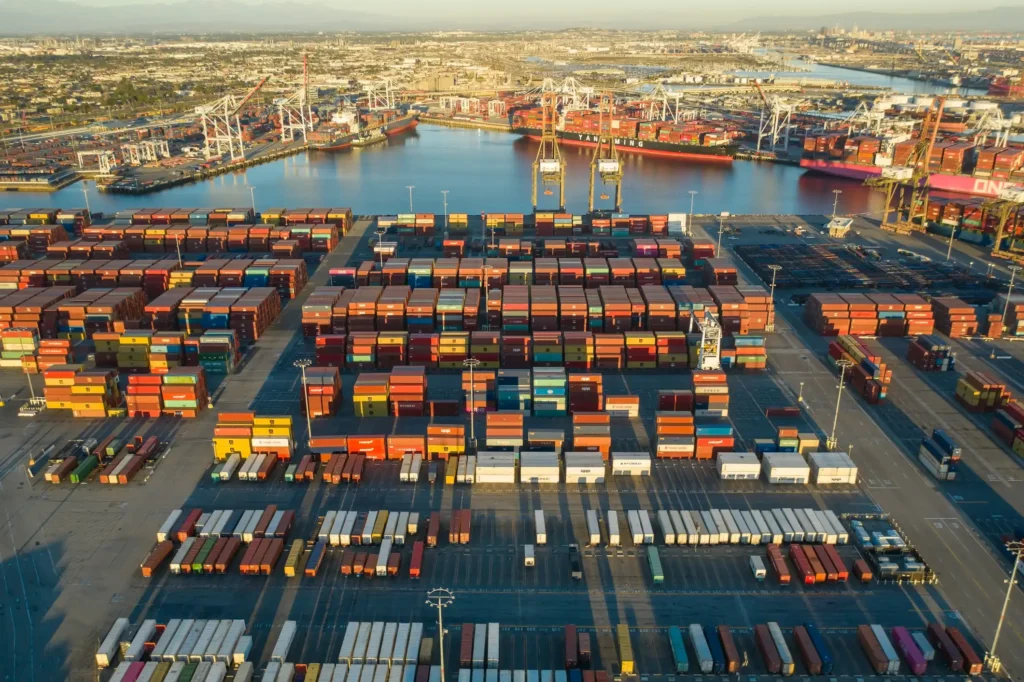
Intermodal shipping moves freight using more than one mode of transportation.
Typically, it involves rail for the long haul and truck for the first and last leg of the journey.
The freight stays in the same container throughout, which means it does not get unloaded and reloaded when switching modes.
That keeps handling to a minimum and reduces the risk of damage.
It is a well-established method.
And in the right conditions, it is significantly more cost-effective than over-the-road trucking alone.
The 500-Mile Rule Explained
Here is the core insight behind the 500-mile rule.
According to the Congressional Research Service, roughly three in four freight journeys in the United States are shorter than 500 miles.
Trucks dominate those shorter routes. That makes sense.
OTR is fast, flexible, and hard to beat for regional freight.
But once freight crosses that 500-mile threshold, the equation changes.
Rail becomes significantly more efficient on cost, on fuel, and on emissions.
The trucks handle pickup and delivery on either end. The train handles everything in between.
As a general rule, shipments over 500 miles, and especially those over 750 to 1,000 miles, are strong candidates for intermodal rail freight.
The 500-mile rule is not a hard cutoff.
However, it is a reliable starting point for evaluating whether intermodal makes financial sense on a given lane.
Where Intermodal Wins
Once your freight crosses that 500-mile threshold, the math starts shifting in intermodal’s favor.
Here is why.
Lower Cost Per Mile on Long Hauls
Rail transport is dramatically more fuel-efficient than long-haul trucking.
According to the Association of American Railroads, rail can move one ton of freight over 470 miles on a single gallon of fuel compared to just 134 miles for a diesel truck.
According to the International Council on Clean Transportation, intermodal road-rail routes can save 20 to 40 percent of the cost of road-only transport in the right conditions.
On high-volume or recurring long-distance freight, those savings compound quickly.
Reduced Carbon Footprint
According to the Association of American Railroads, shipping by rail instead of truck lowers greenhouse gas emissions by up to 75 percent on average.
For U.S. businesses with sustainability goals, intermodal shipping delivers real environmental results.
ESG reporting requirements become easier to meet without sacrificing service quality in the process.
Less Exposure to Driver Shortages
OTR trucking is directly affected by driver availability.
When capacity tightens, as it has throughout 2026, rates spike and reliability suffers.
Intermodal rail reduces dependence on over-the-road capacity by shifting the majority of the distance to rail.
That provides a meaningful buffer when the trucking market gets tight.
Consistent Scheduling on Key Lanes
Rail operates on fixed schedules between major hubs.
For predictable, recurring freight on established lanes, intermodal shipping offers a level of scheduling consistency that can be harder to achieve with spot trucking.
And that consistency helps with inventory planning and customer commitments.
Where OTR Still Wins
The 500-mile rule highlights when intermodal makes sense. But it is equally important to understand when it does not.
Short Hauls Under 500 Miles
Rail is most efficient over long distances.
For shorter hauls, the time and cost of drayage can offset the savings from rail.
OTR is typically faster and more cost-effective for regional freight under 500 miles.
Time-Sensitive Freight
Intermodal transit times are generally longer than direct OTR due to rail schedules, terminal processing, and drayage coordination.
When speed is the priority, over-the-road trucking delivers more control over timing.
Freight Requiring Special Handling
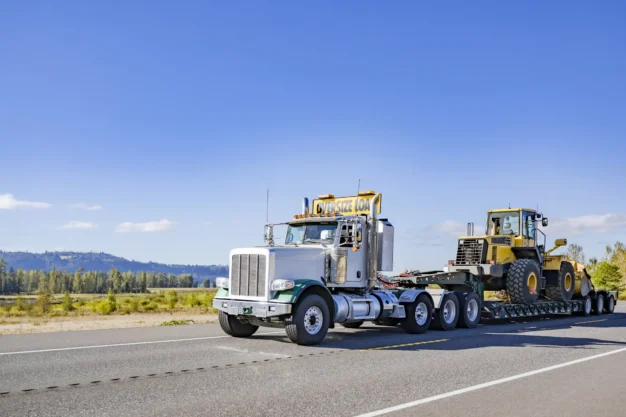
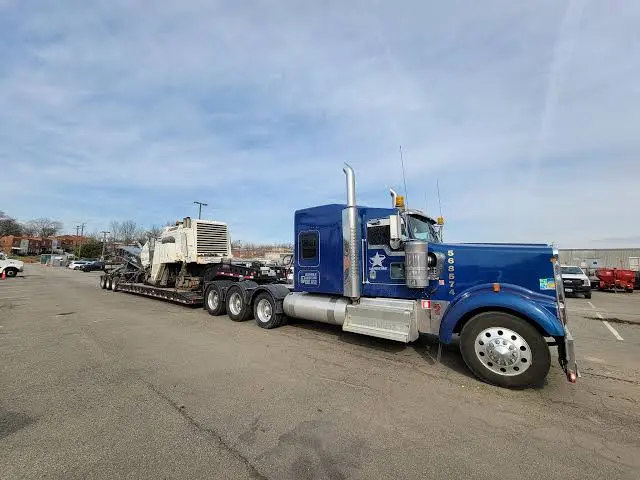
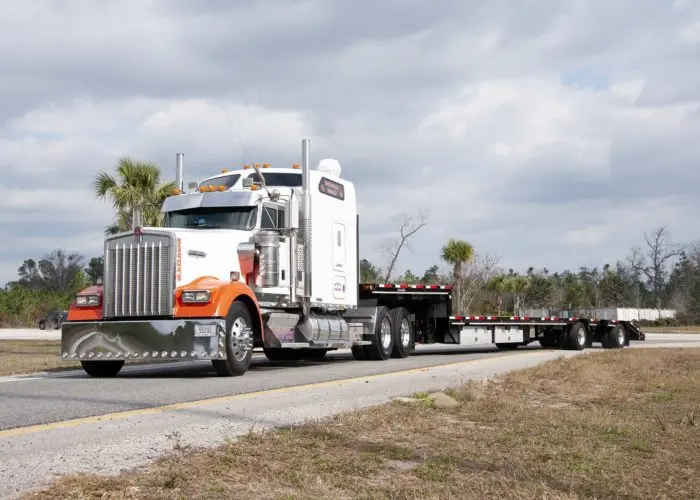
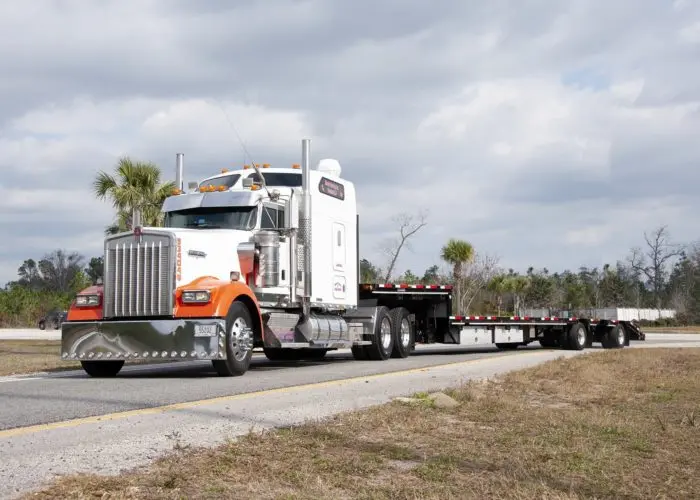
Oversized loads, hazardous materials, and freight requiring specialized equipment are often better suited to OTR.
Carriers can be selected specifically for those requirements—something intermodal cannot always accommodate.
The Smartest Approach: Use Both
The most effective logistics strategies do not pick one mode and stick with it.
They match the mode to the shipment, and that is exactly where the 500-mile rule proves its value.
Long-distance, non-urgent, high-volume freight? Intermodal.
Regional, time-sensitive, or specialized freight? OTR.
The right partner helps you make that call on every shipment, not just the obvious ones.
How Jansson LLC Uses the 500-Mile Rule to Optimize Intermodal and OTR Shipping
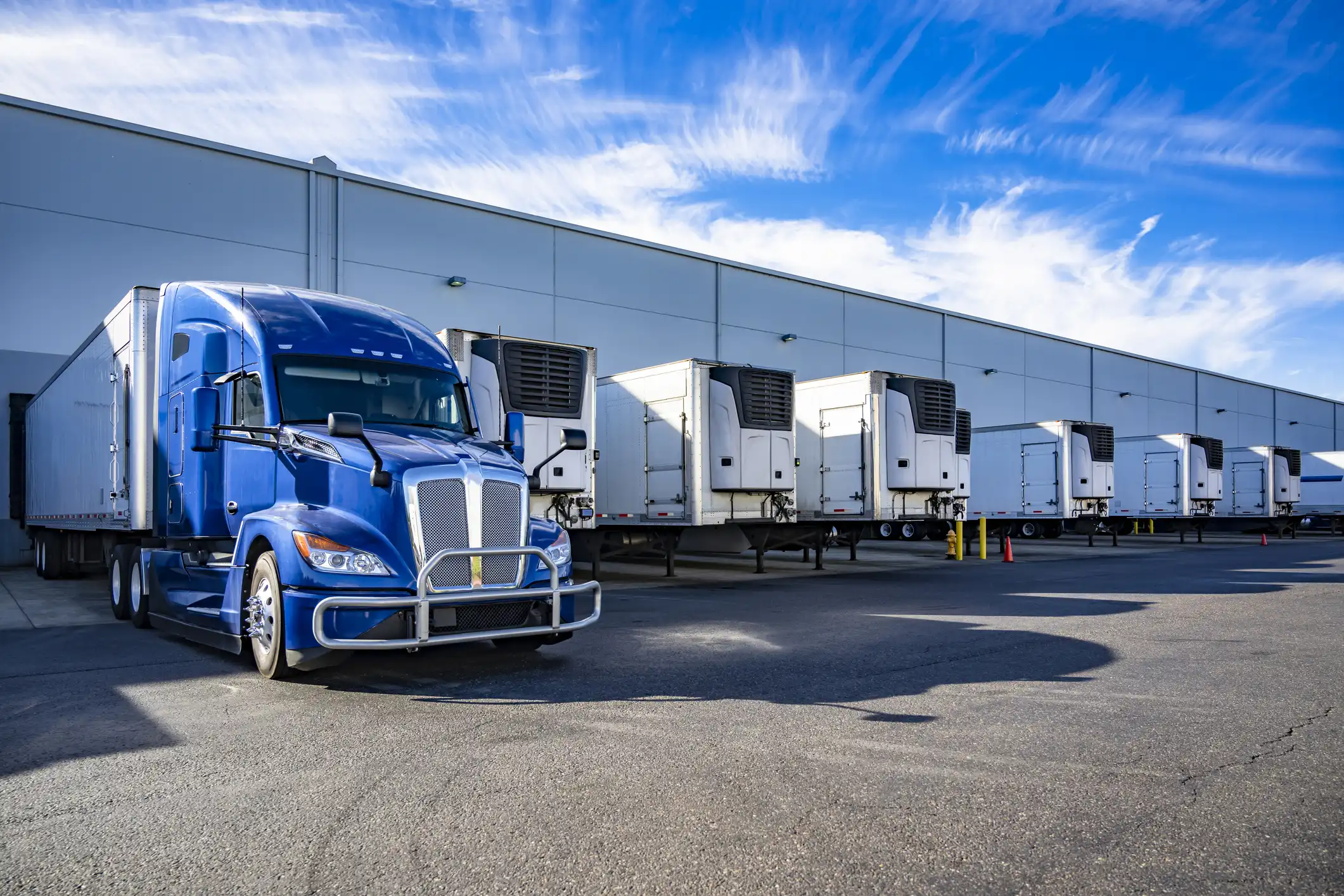
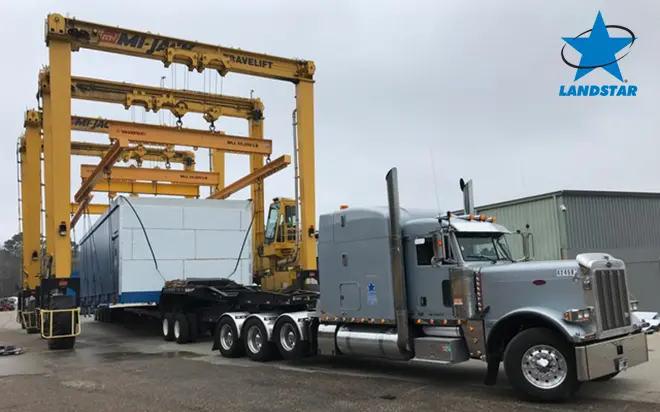
Jansson LLC offers both intermodal and over-the-road shipping through the Landstar network, one of the largest and most connected freight networks in the country.
As a Landstar freight agent, Jansson connects U.S. businesses with rail partnerships across every major U.S. Class I railroad.
For freight that needs to move by truck, a vast network of qualified OTR carriers is available through the same relationship.
What That Means for Your Business
You get access to both modes through a single logistics partner.
Jansson helps you evaluate which option makes more sense for each lane based on distance, timing, volume, and cost.
No guesswork. No one-size-fits-all answer.
When intermodal makes sense, Jansson gets it on rail. When OTR is the better call, Jansson puts the right truck on it.
Talk to a Jansson LLC expert today and let’s talk about building a freight strategy that uses every mode to your advantage.