Choosing the right intermodal container option is one of the most practical decisions a U.S. shipper can make and most have never had the difference clearly explained.
Both COFC and TOFC move your freight by rail for the long haul and by truck for pickup and delivery.
But they work differently.
That difference affects your cost, your transit time, and what types of freight each option can carry.
This guide breaks it down simply so you can make the right call for your specific shipment.
What Is COFC?
COFC stands for Container on Flatcar.
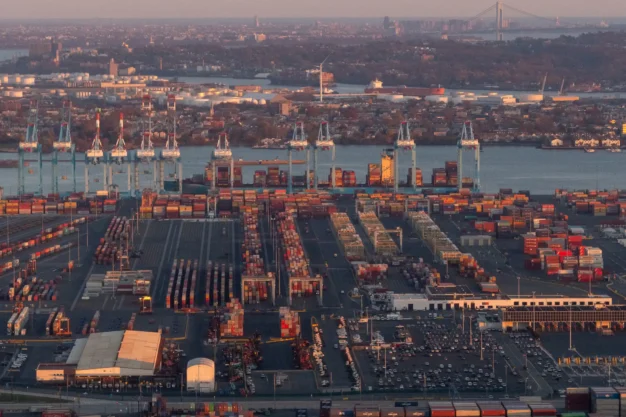
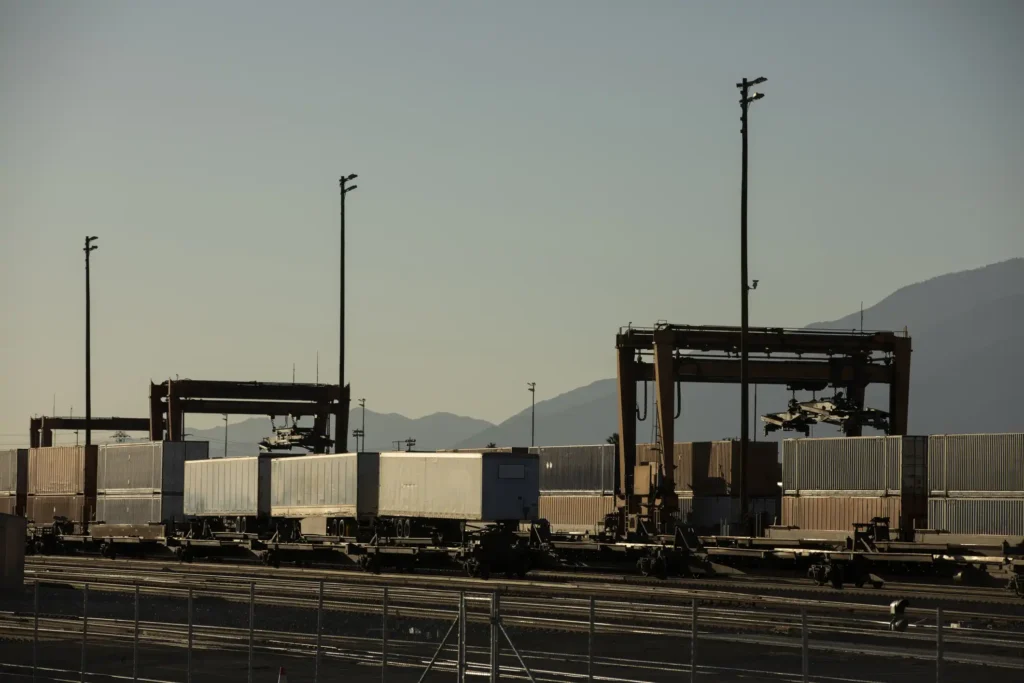
In COFC intermodal transportation, standardized containers are lifted directly onto flat rail cars and transported long distances.
The container is the unit.
It gets loaded at origin, placed on a rail car, and transferred to an intermodal trucking chassis for final delivery, without the cargo inside ever being touched.
COFC came to prominence in 1984 and is the most common and cost-effective intermodal option because four containers can be loaded onto one wellcar.
That double-stacking capability is what makes COFC so efficient, since more freight moves per train, which keeps costs lower per unit.
COFC is the dominant form of domestic intermodal transportation in the U.S. today.
What Is TOFC?
TOFC stands for Trailer on Flatcar, or also known as piggyback shipping.
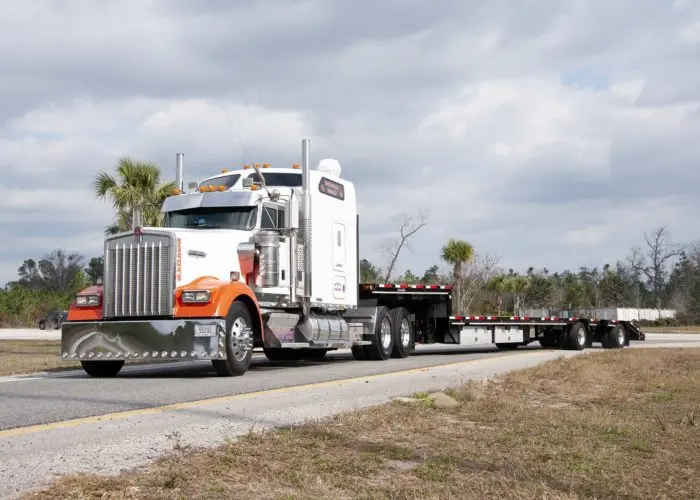
In TOFC, the entire semi-trailer—wheels and all—is driven directly onto a flat rail car.
The trailer does not get unloaded. It rides the rail as a complete unit.
At the destination rail ramp, a truck cab picks it up and drives it to final delivery, just like a standard over-the-road move.
Under the TOFC model, a maximum of two over-the-road trailers can be placed onto one wellcar.
Unlike COFC intermodal containers, TOFC trailers cannot be stacked, which is why it is less cost-efficient per rail car.
The Key Differences Between COFC and TOFC
Understanding when to use each option comes down to four factors.
Cost
The COFC model is more cost-effective and efficient than TOFC because a wellcar can hold more intermodal containers than trailers.
Major Class I railroads have increasingly prioritized COFC over TOFC because the operating economics are significantly better.
For most shippers, choosing the right intermodal container in a COFC configuration will deliver lower rates on equivalent lanes.
TOFC pricing typically falls between COFC intermodal and over-the-road truckload rates, making it a middle-ground option rather than a premium one.
Cargo Type
COFC requires standardized intermodal containers, typically 20-foot, 40-foot, or 53-foot domestic containers.
If your freight can be loaded into a standard container, COFC works well and delivers the best economics.
TOFC works for non-containerized cargo.
If your freight is already loaded into a standard OTR trailer, especially irregular, specialized, or temperature-controlled loads that require specific trailer equipment, TOFC can move that trailer directly without transloading.
Transit Time
TOFC has faster transit times, more in line with truckload, compared to the typical one-day transit advantage found with COFC intermodal service.
TOFC trailers move more like trucks on rail. They do not require the crane lifts and container transfers that add time to COFC movements.
If speed is a priority and your cargo is already in a trailer, TOFC is a practical option.
Equipment Availability
COFC intermodal containers are widely available and easy to source.
TOFC is becoming less common as railroads move toward the more efficient COFC model, which means availability can be tighter on certain lanes and at certain times of year.
Which One Is Right for Your Freight?
Here is a simple way to think about it.
Choose COFC when your freight fits in a standard intermodal container, you are shipping consistent volume on long-haul lanes over 500 miles, and cost efficiency is the primary goal.
This is the right intermodal container choice for the majority of domestic shipments.
Choose TOFC when your freight is already loaded in an OTR trailer that requires specific equipment, you need transit times closer to truckload service levels, or your cargo cannot be transloaded into a standard container without added cost or risk.
For most shippers moving standard palletized freight over long distances, the right intermodal container option is COFC.
For shippers with specialized equipment or difficult-to-containerize loads, TOFC offers a practical intermodal transportation alternative without the complexity of transloading.
Why Intermodal Makes Sense Right Now
Regardless of which option fits your freight, the case for intermodal is strong in 2026.
Flatbed and dry van trucking capacity is tight. Spot rates are at multi-year highs.
Fuel costs are elevated. Intermodal transportation is the most commonly used and cost-effective option for long-haul freight, offering the energy efficiency of rail combined with the flexibility of intermodal trucking for first and last-mile delivery.
Both COFC and TOFC give you access to that efficiency.
Choosing the right intermodal container option for your specific freight is what maximizes the benefit.
How Jansson LLC Helps U.S. Shippers Navigate Intermodal Container Options
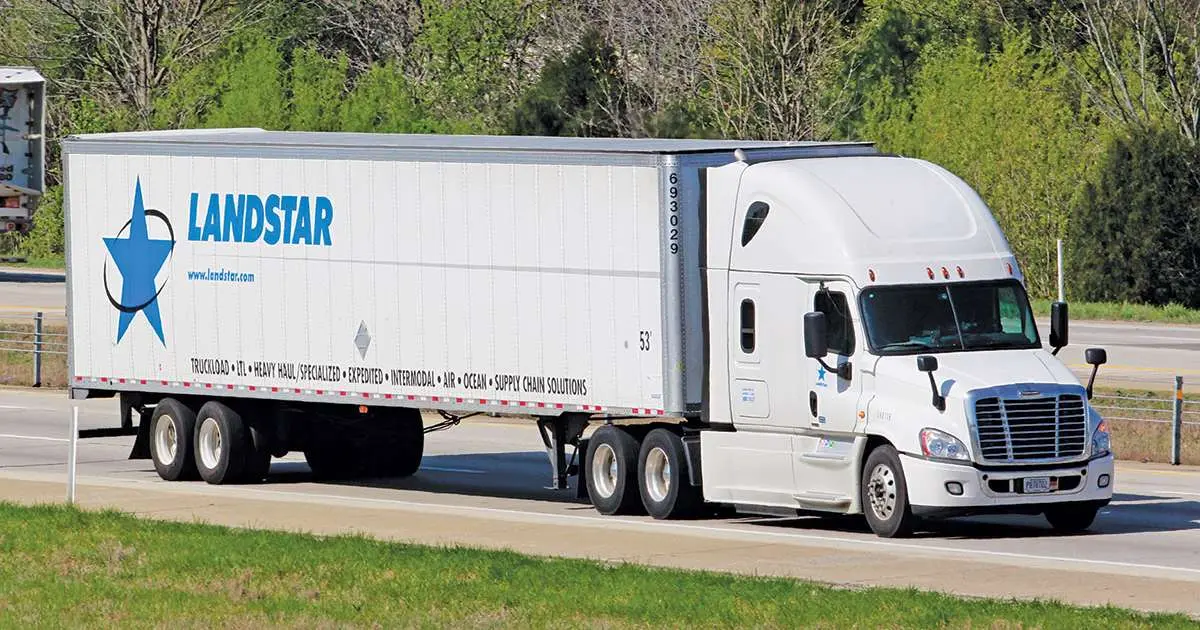
Jansson LLC is a Landstar freight agent with access to a nationwide carrier network, including intermodal rail, over-the-road trucking, flatbed, and international shipping options across all 48 contiguous states.
Through the Landstar network, Jansson helps U.S. businesses evaluate whether COFC or TOFC is the right intermodal container choice for their specific freight and lanes, coordinate intermodal movements from first mile to final delivery, and build freight strategies that take full advantage of rail efficiency.
If you are shipping freight that could benefit from intermodal transportation but you are not sure where to start, the right place is a conversation.
Contact Jansson LLC today. Let’s find the right intermodal option for your freight and start saving on every long-haul lane.