Using intermodal logistics is a great way for American companies to save money on shipping in 2026.
Trucking is still the backbone of moving goods across the country. Most of the time, semis are the best choice for moving short distances or specific types of cargo.
Using only trucks for long trips can bring hidden costs that slowly hurt your business profits, however.
These expenses do not always show up clearly on a single bill. Instead, they pile up through fuel fees, driver shortages, and limited vehicle availability.
Learning where these secret costs hide is the first step to making better choices.
This knowledge will show you exactly when intermodal logistics makes the most financial sense.
The 5 Hidden Costs of Truck-Only Shipping
Trucking prices are not always what they seem at first glance. The basic rate you are quoted is just the starting point.
High surcharges and market changes can quickly put heavy pressure on your shipping budget.
Five specific areas cause the most trouble for business owners.
1. Fuel Surcharge Exposure
Fuel surcharges are some of the most unpredictable parts of a shipping bill. They change every week based on diesel prices.
Surcharge costs are at a multi-year high because diesel averages $5.50 per gallon in April 2026.
Relying completely on trucks means every single mile carries full exposure to these changing fuel fees.
You cannot easily lower these costs, so you must simply pay them.
According to the Association of American Railroads, trains can move one ton of goods 480 to 500 miles on just one gallon of fuel.
This makes railroads three to four times more fuel-efficient than trucks.
Shifting your long-distance cargo to intermodal transportation cuts down on fuel use and protects you from heavy surcharges.
2. Capacity Volatility During Peak Seasons
Truck prices shoot up across the board when shipping demand spikes during the busiest times of the year.
Companies must fight for a limited number of drivers, which pushes rates even higher.
A truck-only plan leaves you completely at the mercy of this wild market during volume surges.
When dry vans and flatbeds get hard to find, you will end up paying 20% to 30% above your normal contract prices.
Otherwise, your cargo will sit around waiting for an available driver.
Choosing intermodal shipping helps keep your rates much more stable throughout the year. This strategy gives you a safe buffer when the trucking market gets chaotic.
3. Driver Shortage Costs
The American trucking industry faces a permanent driver shortage that is not going away anytime soon.
When finding drivers becomes difficult, trucking companies prioritize their biggest customers and charge everyone else premium prices.
Missing out on a locked-in contract means driver shortages will translate directly into higher spot prices, longer wait times, and scheduling confusion.
These frustrating friction points happen repeatedly, which hurts your daily planning and customer trust.
Smart intermodal logistics systems reduce your reliance on long-haul drivers by moving freight across the country by rail.
Local truck drivers handle only the short first and last miles of the trip, where finding workers is much easier.
4. Long-Haul Rate Premium
The AAR’s 2025 Supply Chain Resilience Report found that shifting just 20% of long-distance truck freight to rail would save $13 billion in annual fuel costs.
This change would also save $11 billion by reducing highway traffic and road damage.
Such massive savings ultimately help business owners, taxpayers, and shoppers alike.
The reason for these savings is very simple.
A single train crew can move the exact same amount of cargo as several hundred semi-trucks.
Rail equipment also lasts longer and costs less to keep up than highway vehicles.
Long-distance trucking simply cannot match the incredible economies of scale found in rail transport.
5. Sustainability and Regulatory Exposure
Environmental rules regarding truck pollution are getting stricter at both state and federal levels.
Many major American shippers have already promised to lower their freight emissions to meet green goals.
These companies expect their transportation partners to do the exact same thing.
According to AAR data compiled from EPA figures, moving freight by rail instead of truck cuts greenhouse gas emissions by up to 75% on average.
Trains account for only 0.5% of total U.S. greenhouse gas emissions, even though they move huge amounts of cargo.
Stick to a truck-only strategy, and your business might face long-term regulatory problems.
Utilizing intermodal logistics is a simple way to lower that risk while meeting green goals.
When Truck-Only Shipping Is Still the Right Call
We should be completely honest about your shipping options. Truck-only transportation is still the absolute best choice for many situations.
For short trips under 500 miles, utilizing rail rarely makes economic sense.
The extra terminal time required to load and unload an intermodal container onto rail cars adds unnecessary delays.
Over-the-road trucking remains the best option for time-sensitive cargo, temperature-controlled items, or freight that requires specialized trailers.
The main goal is not to eliminate trucks completely from your business.
Instead, you should evaluate if trucks are your only tool for long-distance, high-volume paths where rail offers better savings.
Building a Smarter Freight Mix
The most successful businesses in 2026 do not choose between trucks or rail.
They combine both methods strategically based on distance, volume, timing, and cargo type.
Short trips and urgent deliveries stay on standard trucks.
Consistent, non-urgent, long-distance shipments move through intermodal trucking networks where the price advantage is clear.
This smart balance gives you a flexible freight plan that protects your budget.
How Jansson LLC Helps U.S. Shippers Build Smarter Intermodal Logistics Strategies
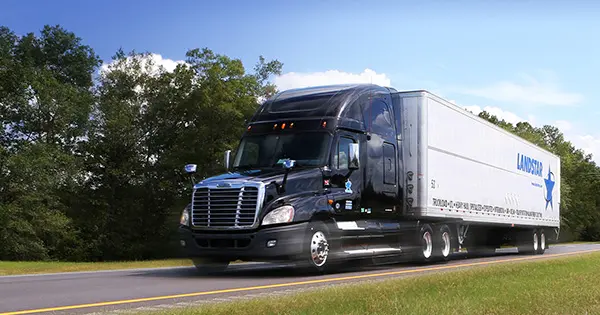
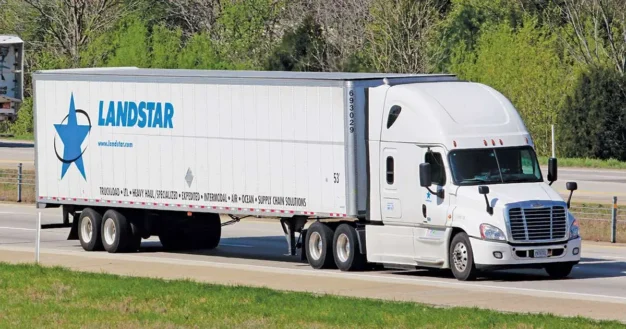
Jansson LLC is an independent Landstar freight agent with access to a massive shipping network across all 48 contiguous states.
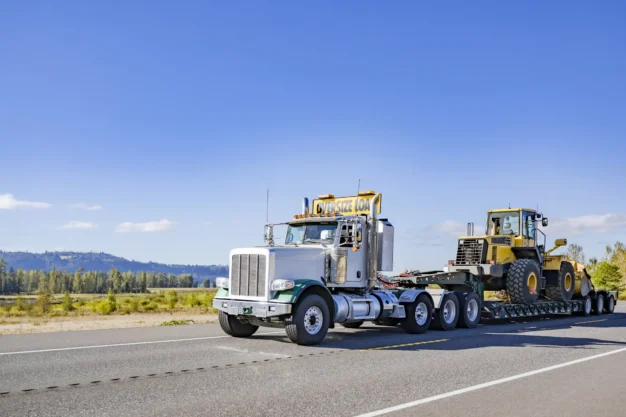
Their connections span across over-the-road trucking, flatbed trailers, heavy haul vehicles, international shipping, and intermodal logistics.
Working through the Landstar system allows Jansson LLC to evaluate your current routes.
They can spot exactly where rail travel offers a clear price advantage so you do not default to trucks for everything.
The goal is to ensure every single dollar you spend on shipping works as hard as possible.
Contact Jansson LLC today to look over your freight routes. Let our team show you where smarter intermodal logistics can start saving your business money.