Inland ports are quietly becoming one of the most important developments in U.S. freight infrastructure.
And the businesses that understand this shift early will have a real logistics advantage in 2026.
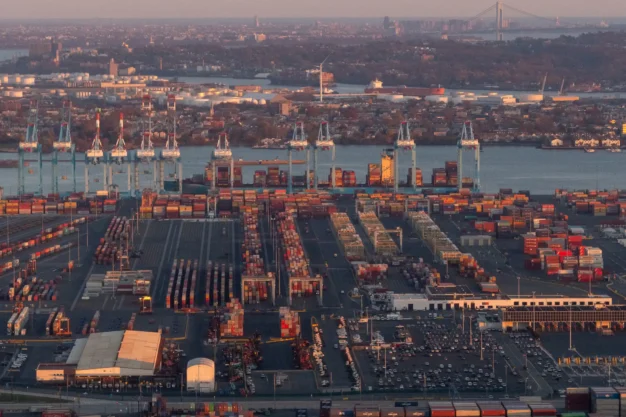
For years, U.S. businesses have watched freight pile up at coastal ports.
Ships wait. Containers stack. Delivery timelines stretch.
The cost of last-mile delivery, which is getting goods from port to final destination, keeps climbing.
Coastal ports handle enormous volume. But they were not built for the freight demands of 2026.
According to the Bureau of Transportation Statistics, there are 299 waterway ports across the United States and its territories, handling over 1.1 billion short tons of domestic freight annually.
That is an enormous system under enormous pressure.
The solution is not bigger coastal ports. It is smarter inland ones.
What Is an Inland Port?
An inland port is a freight hub located away from the coast.
It connects to coastal ports and distribution centers through rail, road, and intermodal networks.
Think of it as a checkpoint closer to where freight actually needs to go.
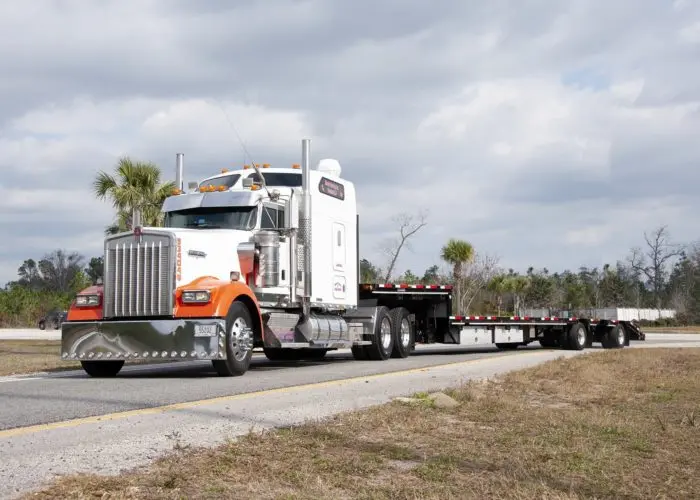
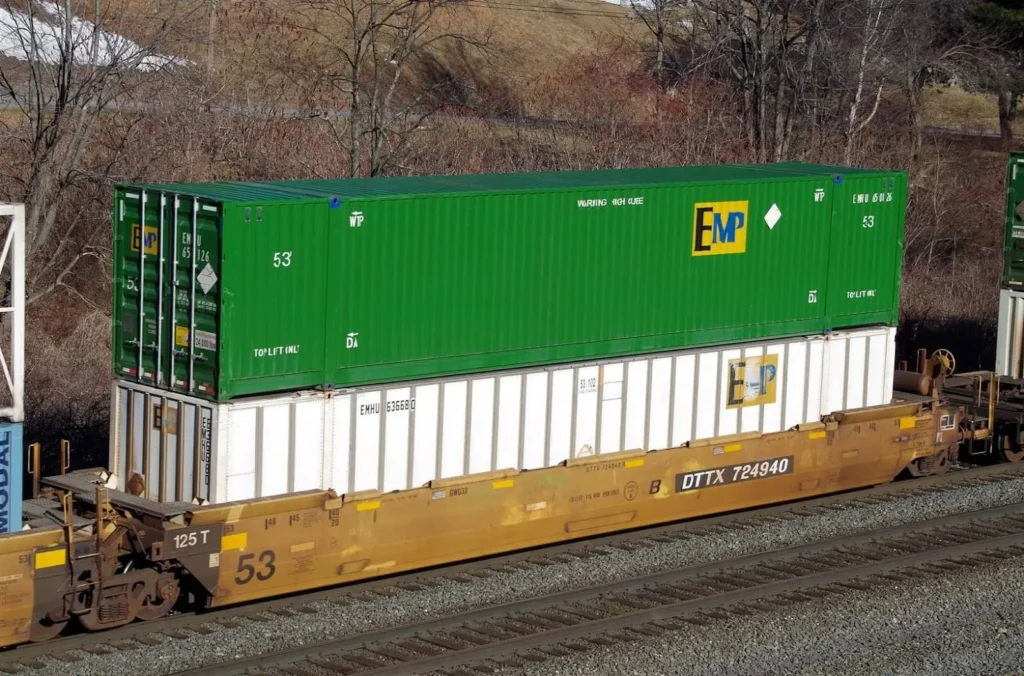
Instead of goods traveling the entire distance from a coastal port by truck, they move most of that distance by intermodal rail, which is faster and cheaper, and complete the last leg by truck from the inland hub.
This is the core idea behind modern last-mile optimization.
And in 2026, inland ports are becoming central to how U.S. businesses manage freight costs and delivery reliability.
Why Inland Ports Are Growing Fast
The U.S. government has recognized the problem and is investing heavily in the solution.
Under the Infrastructure Investment and Jobs Act (Public Law 117-58), the federal government allocated $17 billion for ports and waterways infrastructure nationwide.
That investment is flowing into rail connectivity, intermodal terminals, and inland hub development across the country.
The American Society of Civil Engineers estimates that water transportation infrastructure needs from 2024 to 2033 total approximately $45 billion, nearly $38 billion of which is specific to ports.
That scale of investment signals a fundamental shift in how the U.S. moves freight.
Private industry is responding too.
According to Cushman & Wakefield, companies are increasingly shifting industrial demand away from higher-cost coastal port markets toward larger, more affordable inland logistics hubs.
The trend is structural, not temporary.
How Inland Ports Shorten Your Last Mile
The last mile is traditionally the most expensive part of freight shipping. It is also the slowest.
Inland ports change that math in three important ways.
Freight Moves Closer by Rail
Rail is significantly more fuel-efficient than long-haul trucking.
When freight moves from a coastal port to an inland hub by intermodal rail, it covers hundreds of miles quickly and cheaply.
The truck trip that remains—from the inland hub to the final destination—is a fraction of what it would have been from the coast.
That shorter truck leg is your shortened last-mile delivery.
Reduced Coastal Congestion
When freight bypasses congested coastal terminals and moves inland faster, the entire system flows better.
Dwell times drop. Containers move. Schedules become more predictable.
For U.S. businesses that depend on reliable delivery windows, reduced coastal congestion translates directly into more consistent operations and better customer outcomes.
Strategic Location Near Population Centers
New inland ports are being developed near major manufacturing zones, distribution centers, and population hubs.
That means freight does not just move inland. It moves to exactly where it needs to go.
Last-mile optimization improves because the inland hub is already closer to your customer.
Less distance means lower cost, faster delivery, and less exposure to highway congestion and fuel volatility.
What This Means for Intermodal Shipping in 2026
The growth of inland ports is one of the strongest arguments for intermodal shipping right now.
Intermodal shipping, which is moving freight by rail for the long haul and truck for the first and last mile, is the mode that benefits most from this infrastructure expansion.
Every new inland port or intermodal terminal is essentially a new node in the rail intermodal network.
More nodes mean more routing options. And more routing options mean more competitive rates and more reliable service.
For U.S. businesses shipping freight regularly, this is a meaningful and immediate opportunity.
The intermodal rail freight network is getting better and the benefits are available right now.
How Jansson LLC Leverages Inland Ports to Strengthen Your Shipping Network
Taking advantage of inland port infrastructure requires the right logistics partner.
Not every freight provider has access to the full intermodal network.
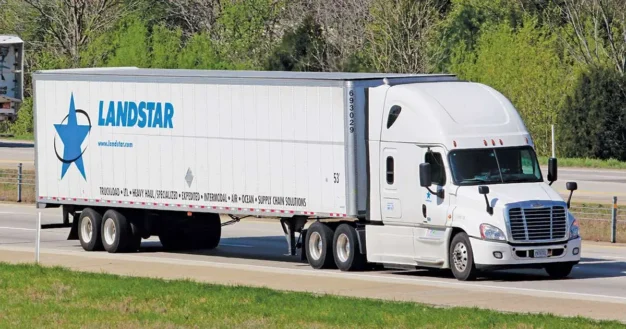
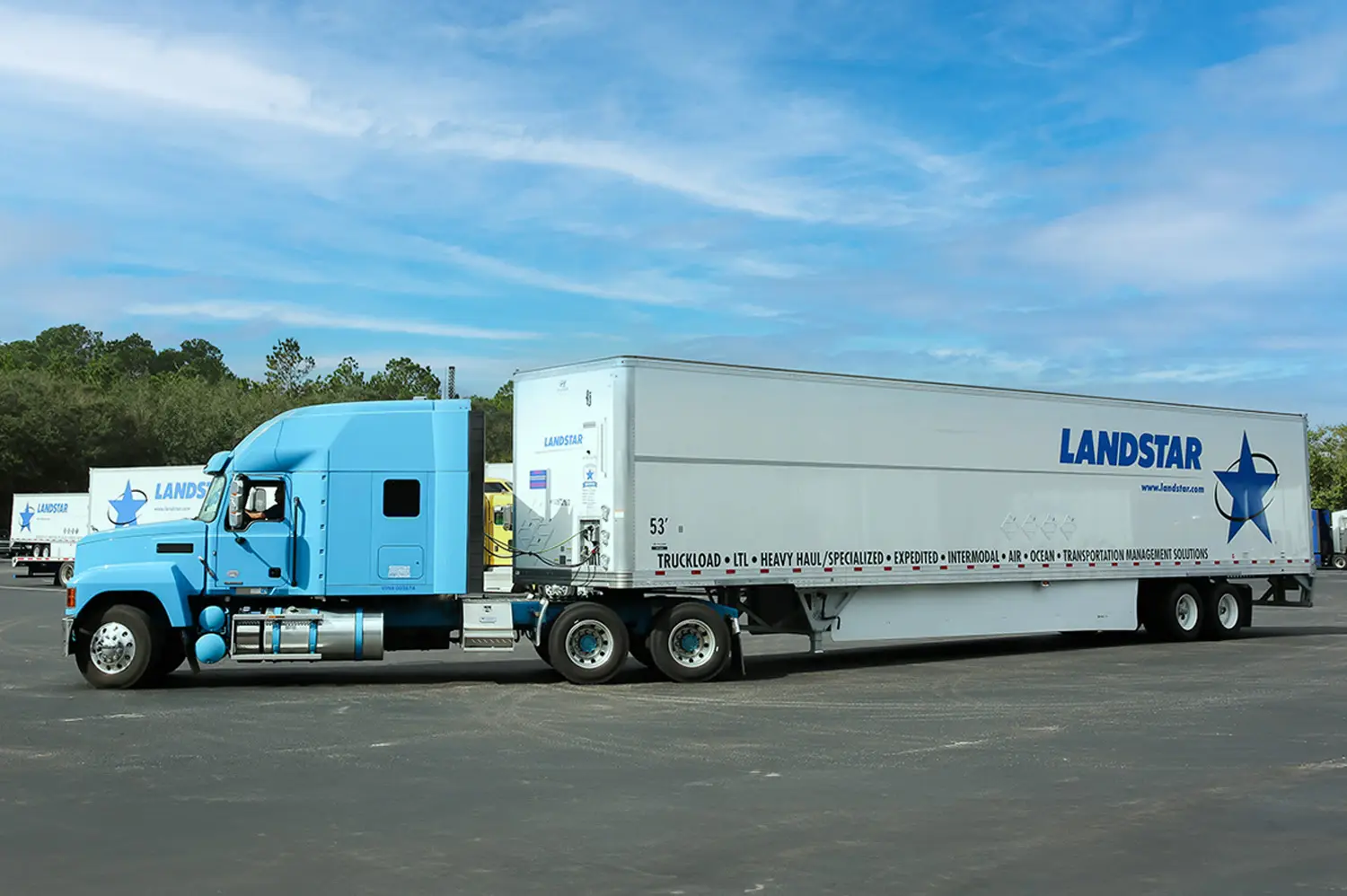
Jansson LLC is a Landstar freight agent with connections to every major U.S. Class I railroad and a nationwide network of intermodal carriers.
Through the Landstar network, Jansson connects clients to inland transport corridors, rail terminals, and last-mile carriers across the country.
What Working With Jansson Looks Like
When freight moves through an inland port, Jansson coordinates the full journey, from origin to rail to inland hub to final delivery.
Freight gets matched to the right rail corridor. Inland terminal coordination gets handled.
Last-mile delivery gets arranged from the closest hub to your destination. Real-time visibility keeps you informed at every stage.
The inland ports network is expanding. The intermodal rail freight opportunity is growing.
Jansson helps you access both. All without the complexity of managing it yourself.
Reach out to Jansson LLC today and let’s talk about building a freight strategy that takes full advantage of 2026’s expanding inland port infrastructure.