Rail lag is the hidden cost that turns intermodal shipping’s biggest advantage into its biggest liability.
And most U.S. businesses do not discover it until the invoice arrives.
Here is the problem in plain numbers.
You shift a high-volume replenishment lane from trucking to intermodal rail.
Transit time increases from four days to six days.
Safety stock is calibrated for four-day replenishment. The reorder point was set when trucking was your primary mode.
Customer delivery promises were made when a truck handled the last mile.
None of those parameters changed when the mode did.
And now inventory is arriving two days later than your system expected.
Every single cycle.
The result is stockouts, missed delivery windows, and expedited trucking costs to plug the gap.
Those expedited truck charges can easily erase the intermodal savings that made the switch attractive in the first place.
This is what unmanaged rail lag looks like. And it is entirely preventable.
What Rail Lag Actually Costs
Rail lag is the additional intermodal lead time that comes with moving freight by rail instead of direct over-the-road trucking.
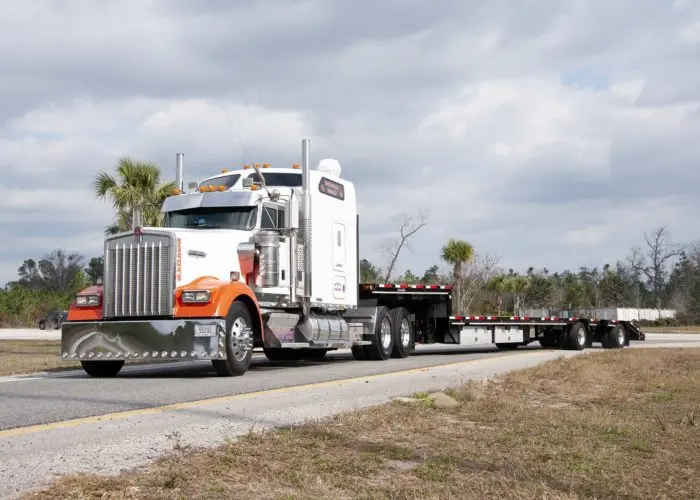
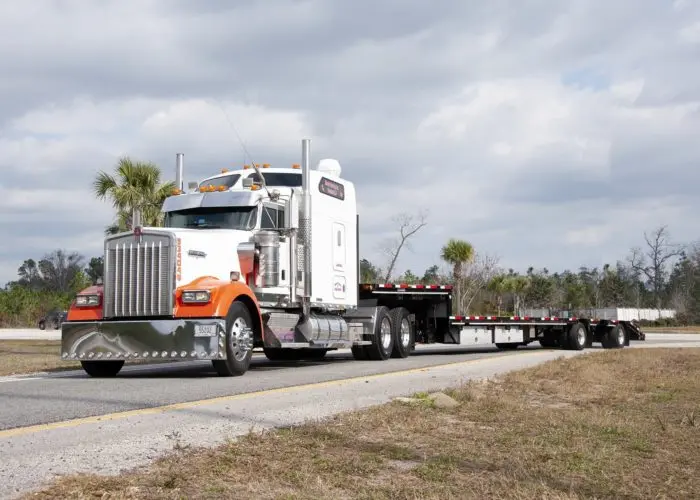
A direct truck from Chicago to Los Angeles typically moves freight in three to four days.
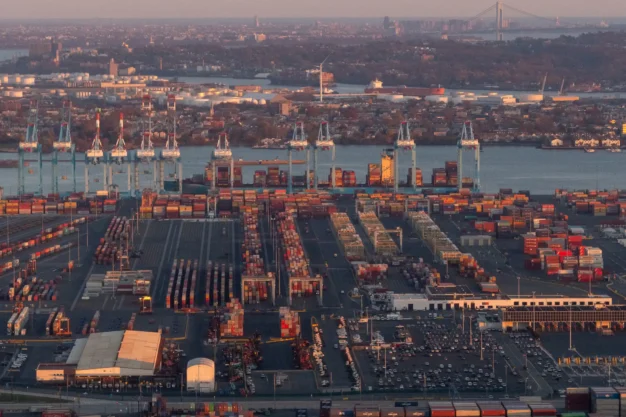
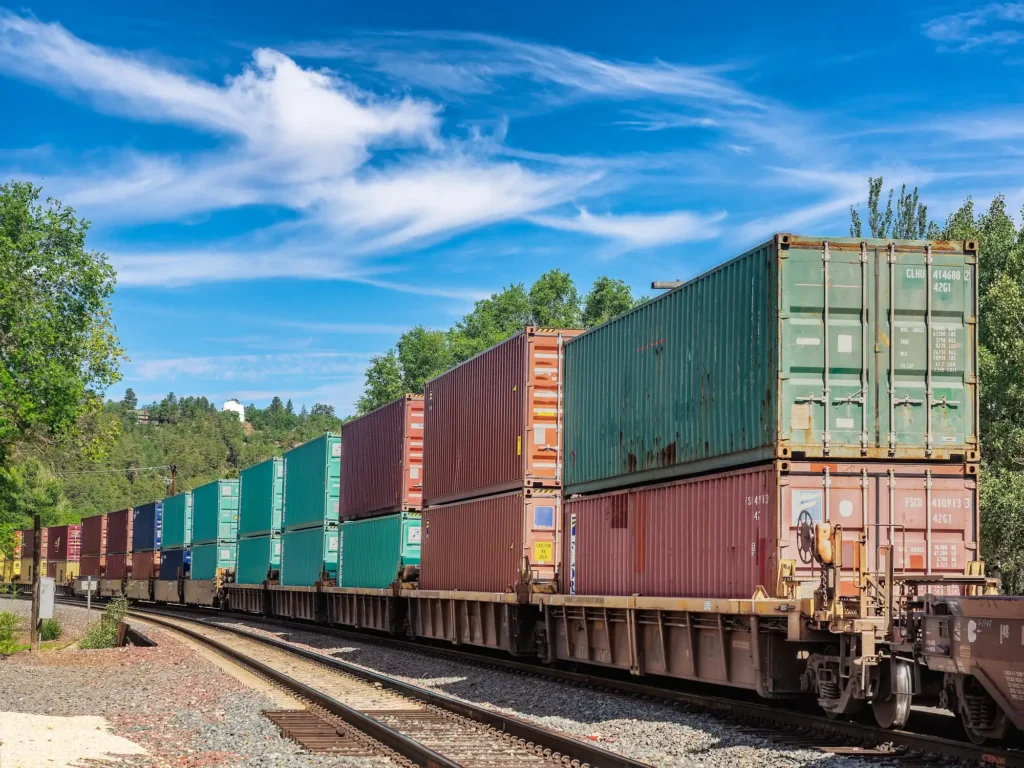
The same freight moving by intermodal rail—transferred to a container, hauled by rail across the country, and completed by a drayage truck—takes five to seven days.
That gap of one to three days does not sound significant.
But run the numbers across a lean supply chain and the picture changes quickly.
Consider a business shipping consumer goods with four days of safety stock.
Switching to intermodal rail freight without adjusting safety stock means the buffer runs out two days before replenishment arrives on every single replenishment cycle.
At scale, across multiple SKUs and multiple lanes, that gap creates consistent service failures that erode customer confidence and drive up operational costs.
The savings from intermodal shipping are real.
According to the International Council on Clean Transportation, one gallon of fuel moves one ton of cargo 413 miles by rail
And that is compared to just 155 miles by truck.
This fuel efficiency advantage translates directly into lower freight costs on long-haul lanes.
But those savings only materialize when the rail lag is properly accounted for in your supply chain parameters.
The Three Numbers That Need to Change
Adjusting for rail lag requires recalculating three specific supply chain parameters. Each one is straightforward.
Together, they make intermodal lead time manageable.
Safety Stock
Safety stock exists to protect against variability in supply or demand.
When intermodal rail adds two days of transit time to a lane, your safety stock formula needs to cover two additional days of average demand for that product.
The calculation is simple.
Multiply your average daily demand by the additional transit days the rail lag introduces.
Add that number to your existing safety stock.
The result is a buffer that keeps service levels intact even as transit times increase.
Reorder Point
Your reorder point is the inventory level that triggers a new purchase order.
It is calculated based on lead time multiplied by average daily demand.
When intermodal shipping increases your lead time, your reorder point rises proportionally.
Orders need to go out earlier, not because demand changed, but because the freight takes longer to arrive.
Businesses that miss this adjustment consistently run short before replenishment arrives.
Customer Promise
Many delivery commitments were made when trucking was the primary mode.
Intermodal may add one to two days to certain lanes.
Those promises need to be reviewed and updated before the switch, not after the first missed window.
In practice, most customers accept a slightly extended delivery window when it is communicated proactively and paired with a clear benefit.
Cost savings passed through, improved consistency, or better visibility often more than offset a one-day adjustment in the delivery window.
Why the Rail Lag Calculation Is Worth Running Right Now
The financial case for accepting rail lag in 2026 is unusually strong and the window to act is narrowing.
Trucking spot rates are up significantly year over year.
This is driven by tightening capacity and federal CDL enforcement actions that have reduced available driver supply across key lanes.
Intermodal rates on long-haul lanes are running significantly below their trucking equivalents.
Rail intermodal is currently priced at a meaningful discount to trucking.
Analysts expect that gap to close as trucking tightness pushes more freight onto rail.
Businesses that run the rail lag calculation now—and make the supply chain adjustments to support the switch—are locking in a cost advantage that will be harder to access later in the year.
The math favors intermodal.
However, the question is whether your supply chain is set up to capture the savings.
How Jansson LLC Turns Rail Lag Into a Manageable Number
Making the switch to intermodal rail freight is not a freight decision in isolation.
It is a supply chain design decision and the rail lag calculation is where that design work begins.
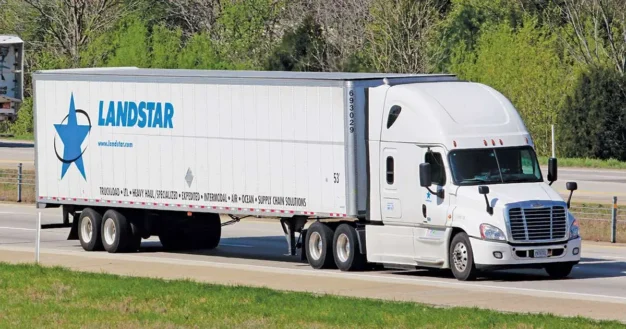
Jansson LLC is a Landstar freight agent with access to every major U.S. Class I railroad and a broad network of intermodal and OTR carriers across the country.
Through the Landstar network, Jansson helps U.S. businesses identify which freight lanes are candidates for intermodal.
Rail lag impact gets mapped against your specific supply chain parameters. Intermodal capacity gets secured at current favorable rates.
Transit time differences get documented clearly. Safety stock and reorder point adjustments get mapped for your planning team.
Real-time visibility keeps your team informed throughout every shipment.
This lets the rail lag become a known, managed variable rather than an unexpected problem.
With the right partner running the numbers alongside you, it becomes predictable and profitable.
Talk to a Jansson LLC expert today and let’s run the rail lag calculation on your freight lanes before the intermodal rate window closes.