The Railway Safety Act is a new set of rules moving through Congress that could soon change how trains move goods across the United States.
Lawmakers from both political parties introduced this bill in February 2026.
This legislation builds on older plans to make train travel safer after a major train crash happened in East Palestine, Ohio, back in 2023.
Two earlier versions of this bill did not make it to a final vote. Now, the momentum is much stronger.
Business owners who use rail lines or intermodal transportation need to understand these rules to keep their supply chains running smoothly.
What the Rail Safety Act Actually Proposes
This version of the Railway Safety Act focuses on specific safety gaps that government inspectors found after the Ohio crash. Several major updates are included in the plan.
Mandatory Wayside Defect Detectors
First, the bill requires special trackside sensors called wayside defect detectors. Currently, federal rules do not force companies to use them.
These high-tech tools scan moving trains to catch broken parts before they cause a disaster.
The National Transportation Safety Board (NTSB) recommended these devices because warning signs were ignored during the East Palestine crash.
Two-Person Crew Requirements
Next, freight trains must have at least a two-person crew.
Train worker unions strongly support this rule.
They argue that having two workers on board is necessary to handle emergencies safely.
Safer Tank Cars and Hazmat Standards
Additionally, the Railway Safety Act will phase out older, weaker tank cars that carry dangerous liquids.
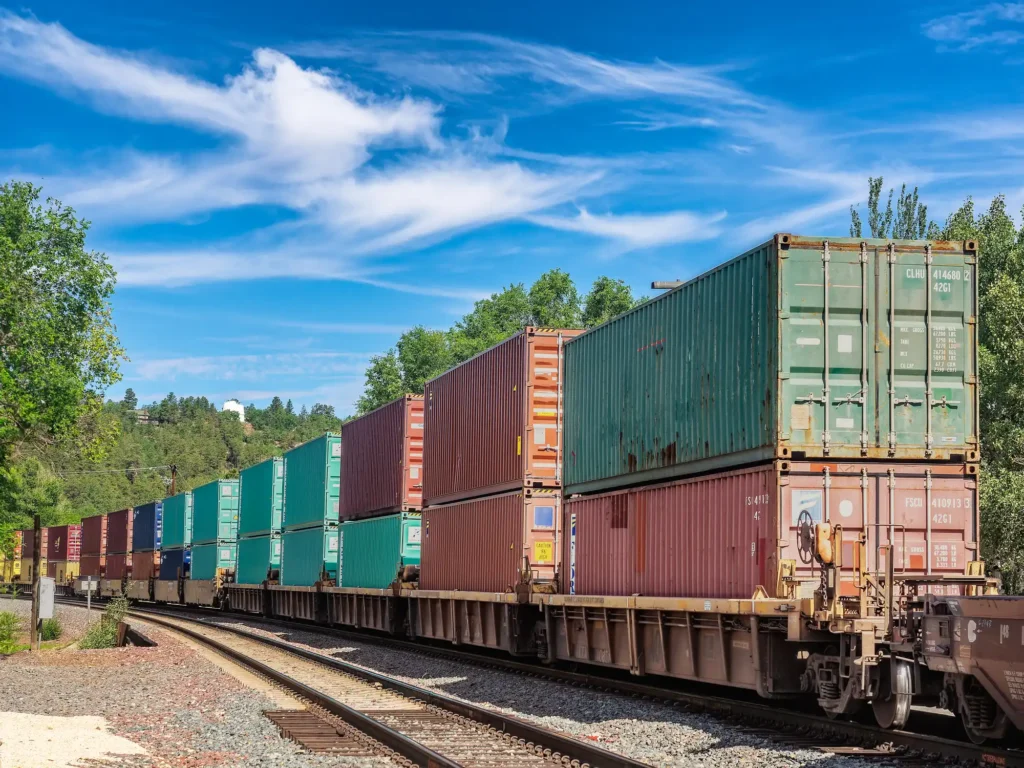
New rules will require longer, more careful safety checks on every intermodal container and train car so inspectors do not have to rush.
Real-Time Train Consist Information
Finally, railroad companies will have to share real-time digital lists of what is inside their cargo cars.
This rule helps firefighters and police officers instantly know exactly what chemicals are on a train before they rush into an accident site.
What Supporters and Critics Are Saying
Many different groups support the Railway Safety Act because it protects local neighborhoods and train workers.
The National Association of Counties supports the bill, stating that it keeps residents safe while helping the economy grow.
Labor unions also praise the law for creating stricter inspection routines and keeping two workers on every train.
However, a coalition of 18 agricultural industry organizations are worried about the new rules.
They sent letters to Congress warning that limits on train lengths and slow manual checks might cause traffic jams on the tracks.
According to economic models, a 5% increase in rail safety costs could cause train shipping volumes to drop by 4.1% in the first year.
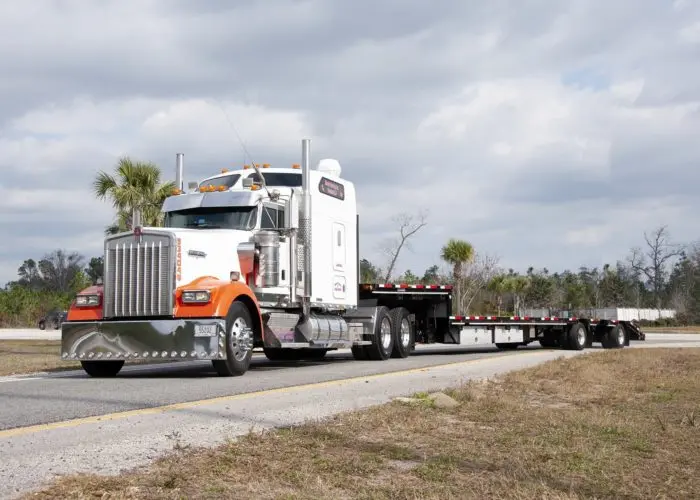
If businesses abandon the tracks, extra cargo will flood into the intermodal trucking market and drive up prices.
Because the Railway Safety Act is still being debated in Washington, nobody knows exactly what will happen next.
Shippers should watch the news closely and prepare for changes.
What U.S. Shippers Should Do Right Now
You can take smart steps today even though the Railway Safety Act is not an official law yet.
Know your hazmat exposure.
Start by checking your dangerous cargo exposure.
New tank car rules and mandatory notifications will affect your business directly if you ship hazardous chemicals.
Audit your rail lanes.
Reviewing your current transit routes is another great step.
You need to know which railroad companies you rely on for intermodal transportation and how they might react to higher safety costs.
Build mode flexibility.
Incorporating flexibility into your shipping strategy will protect your budget.
Combining trucks and trains allows you to switch methods easily if rail prices spike or track capacity shrinks.
How Jansson LLC Helps U.S. Shippers Navigate Intermodal Freight Under the Railway Safety Act
Choosing a reliable partner makes navigating these changing laws much easier.
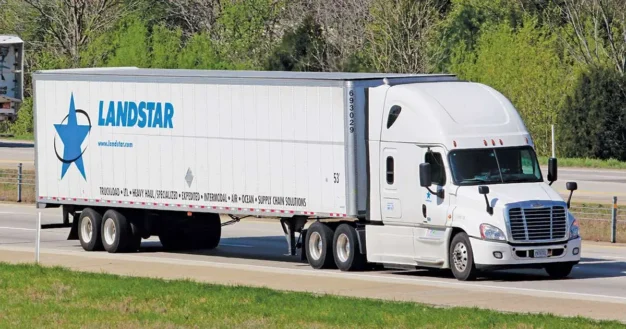
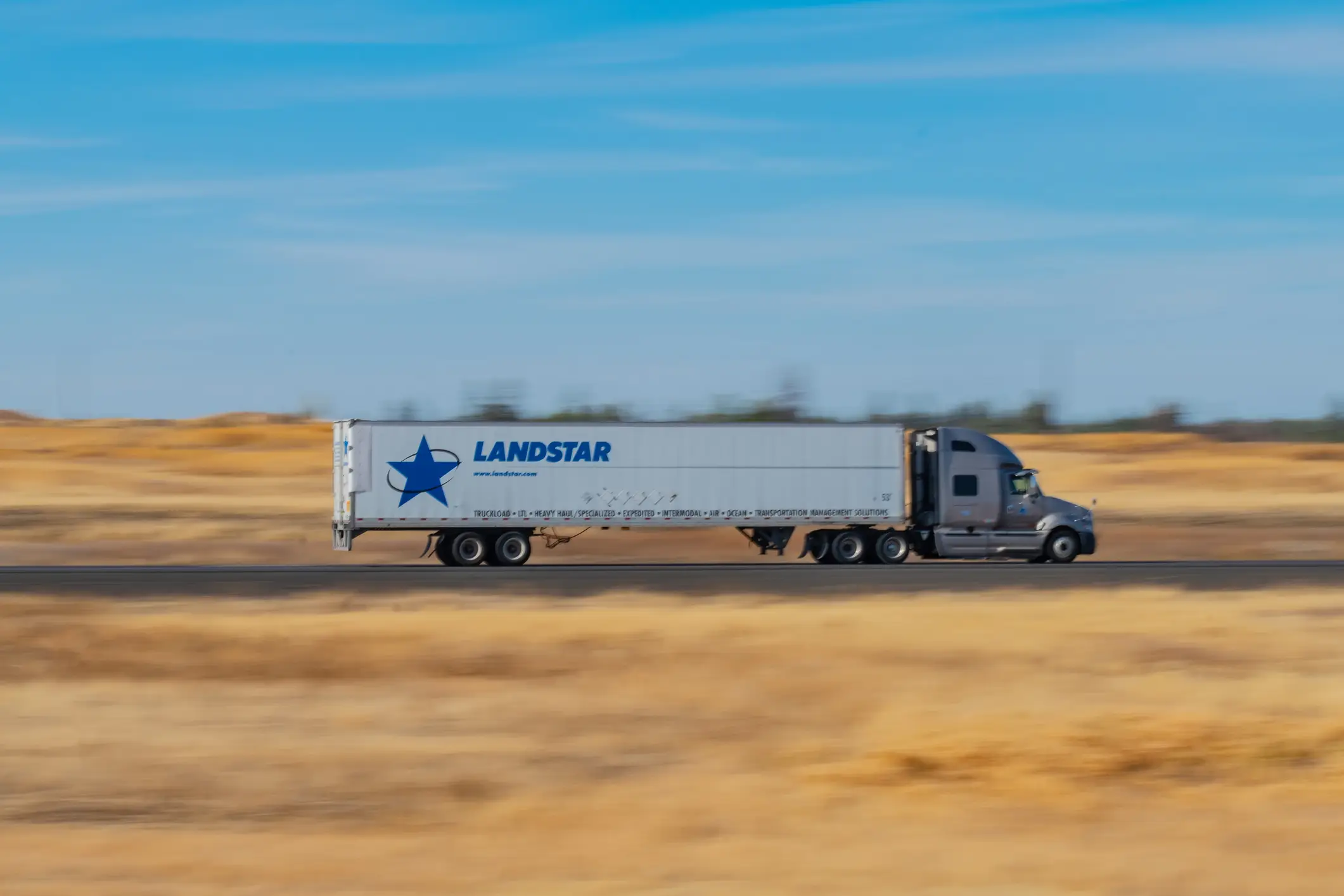
Jansson LLC is an independent Landstar freight agent with access to a massive shipping network across the country.
Working through the Landstar system allows Jansson LLC to help American businesses find the best deals on truck and rail routes.
Their team can evaluate your current cargo setup to keep your supply chain flexible, no matter what happens to the Railway Safety Act.
Smart business owners plan for changes before they see expensive problems on their invoices.
Take the guesswork out of logistics before new laws impact your bottom line. Connect with Jansson LLC today and let our team handle your intermodal shipping strategy while you focus on growth.