
The Cost of Hazmat Non-Compliance: Quantifying Fines, Impounded Loads, and Lost License Risks

Most hazmat shippers think about compliance in terms of paperwork. The correct labels. The right shipping papers. The proper placard placement. What they underestimate is the penalty structure that enforcement is built around — and how quickly a documentation error on a single shipment compounds into a six-figure liability event. Under 49 U.S.C. 5123(a), each […]
Hazmat Segregation Math: Which Chemical Hazard Classes Cannot Share a Single Trailer

Loading the wrong hazmat classes together on the same trailer is not a paperwork violation. It is a safety failure — one that can result in fires, toxic gas releases, and explosions that endanger drivers, emergency responders, and the public. The regulation governing what can and cannot travel together is 49 CFR 177.848 — the […]
Intermodal Accessorial Fees Decoded: How to Avoid Ramp Storage, Chassis Split, and Detention Charges
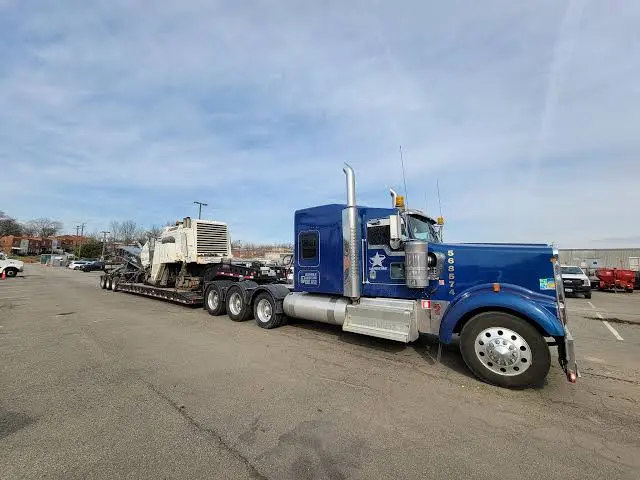
Intermodal transportation offers genuine cost savings over truckload on long-haul lanes. The savings are real — and so are the accessorial charges that can quietly erase them. Accessorials are charges beyond the base rate that cover exceptions in the shipping process — per diem when containers sit too long, detention for driver wait time, redelivery […]
Seasonal Rail Congestion: Managing Harvest and Peak Holiday Freight Spikes
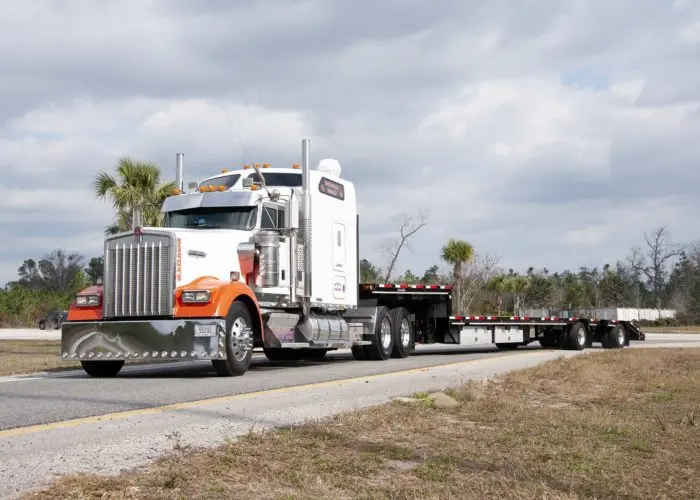
Intermodal volumes are running roughly 10% above the five-year average in 2026. Spot truckload rates are forecast to jump 34% year over year. And grain harvest movements — one of the most significant seasonal demand spikes on the U.S. rail network — are still ramping up as the industry enters the second half of the […]
Vetting an Intermodal Provider: 7 Critical Questions to Ask Before Shifting Freight to Rail
Truckload spot rates were sitting close to 29% above last year’s levels through most of July 2026. Intermodal has not moved anywhere near that fast. On the exact lanes where rail and truck compete head to head, the gap between them has widened enough that shippers who never looked twice at intermodal are pricing it […]
Private Chassis Pools vs. Ramp Chassis: Preventing Delays During Regional Chassis Shortages
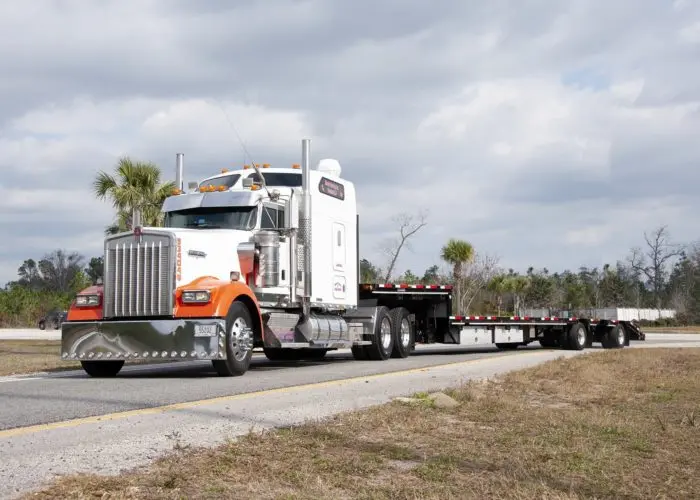
A container arrives at the port. The paperwork is clean. The carrier is confirmed. The delivery window is tight. Then the driver gets to the terminal — and there are no chassis available. A driver waiting 3 hours for a chassis at $83 per hour loses $249 in potential earnings. If this happens 3 times […]
Preventing Pilferage in LTL Transit: Security Tape, Black Shrink-Wrap, and Pallet Strapping

Straight cargo theft makes headlines. Pilferage does not — and that is exactly what makes it so costly. Cargo theft losses hit $725 million in 2025, with the average stolen shipment valued at $273,990. But those figures undercount the problem. Pilferage involves taking smaller portions of a shipment from a trailer, often during transit or […]
Inside Delivery and Unpacking Rules: What LTL Carriers Will and Won’t Do at Destination

Most LTL delivery disputes start the same way. The driver arrives. The freight comes off the truck. And then the consignee discovers that “delivery” meant something very different to the carrier than it did to them. Standard LTL delivery is dock-to-dock. The carrier’s obligation ends at the loading dock or the tailgate of the truck. […]
Protecting Fragile LTL Shipments: Crating, Strapping, and Shrink-Wrapping Standards
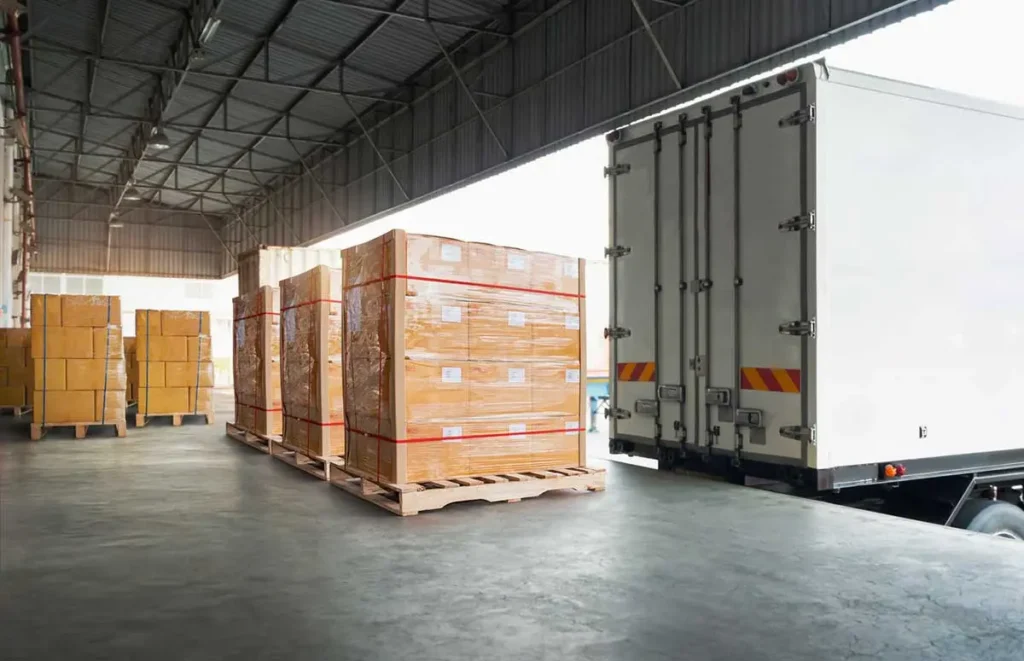
A typical LTL shipment travels through multiple weather patterns, seasons, and climate zones before reaching its destination. It passes through four to five terminal handling events. It is loaded and unloaded by forklifts, moved by conveyor, and stacked adjacent to other freight it has never met. Most freight survives this journey. Fragile freight that is […]
Linear Foot Rules: How Large LTL Pallet Shipments Trigger Full-Truckload Rates
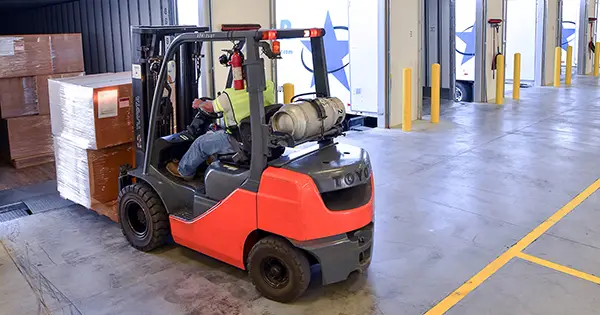
Most shippers treat freight mode selection as a binary choice. LTL for smaller loads. FTL for full trucks. Everything in between gets defaulted to LTL because the pallet count does not feel like enough for a full truck. That default is costing businesses real money — especially on shipments between 6 and 12 pallets, where […]