A container arrives at the port. The paperwork is clean. The carrier is confirmed. The delivery window is tight.
Then the driver gets to the terminal — and there are no chassis available.
A driver waiting 3 hours for a chassis at $83 per hour loses $249 in potential earnings. If this happens 3 times per week, the carrier loses approximately $750 per week or $39,000 per year per driver. That cost does not stay with the carrier. It flows downstream — into rates, into surcharges, and into the delivery delays that affect your production schedule and your customer commitments.
The chassis shortage is not a temporary disruption. It is a chronic, structural imbalance in the U.S. intermodal system — and understanding how it works is the first step toward building a freight strategy that accounts for it.
What a Chassis Actually Is
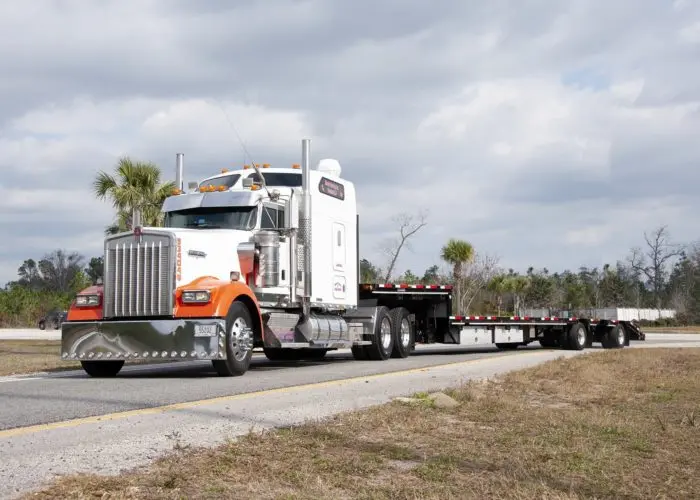
A chassis is a wheeled metal frame on which a shipping container is placed for ground transport. When a terminal or a rail ramp witnesses a shortage of chassis, truckers are burdened with delayed turn time.
Without a chassis, a container cannot move from the terminal to the delivery location — regardless of how well every other part of the logistics chain is coordinated. The chassis is the single point of dependency that most shippers never think about until it fails them.
Why Chassis Shortages Keep Happening
The chassis shortage is not one problem. It is three overlapping problems that compound each other — and all three are active in 2026. Understanding each one helps you anticipate where your freight is most exposed.
High Utilization and Repair Backlogs
High utilization rates — reaching 94% in some areas — have led to shortages, tying up 10% or more of fleets in repairs and extending dwell times. A fleet running at 94% utilization has almost no buffer. When a demand spike hits — peak season, a port congestion event, an import surge — the available chassis disappear immediately.
Street Dwell
Street dwell is the time a chassis spends at a shipper or consignee’s location after the container has been delivered — waiting for the container to be unloaded so the chassis can be returned. Street dwell exceeding seven days triggers demurrage, and rate hikes — like NACPC’s $22.50 per day in Memphis in November 2025 — pass costs downstream.
When chassis sit in consignee yards for days waiting for unloading, they are unavailable to the drivers who need them at the port or rail ramp. One slow consignee can effectively remove multiple chassis from the active pool in a regional market.
Pool Fragmentation
Inland railyards in Chicago, Dallas, and Memphis saw 22% higher congestion in 2024, amplifying delays. The pool structures that were supposed to solve this problem are themselves fragmented — with regional silos that limit national fluidity and migration penalties for using chassis outside designated pools.
LA/LB’s Pool of Pools has been restructuring since Flexi-Van’s May 2025 exit and TRAC’s announced departure effective June 2026 — meaning the two largest ports in North America are operating under shifting chassis pool arrangements during one of the most active trade periods in years.
Private Chassis Pools vs. Ramp Chassis: What the Difference Means
Not all chassis come from the same place — and the source of the chassis determines how exposed your freight is when availability tightens. Understanding the two primary models is what allows you to ask the right questions when evaluating drayage carriers.
Ramp Chassis
Ramp chassis are pool chassis available at the intermodal ramp or port terminal — managed by a chassis pool provider and available to any carrier on a per-diem basis. Published 2025 to 2026 per-diem rates range from $12.32 to $26.50 per day depending on volume tier.
The advantage is no ownership cost. The disadvantage is no guarantee of availability. During peak periods or shortage events, ramp chassis simply run out — and there is no alternative available at that location.
Private Chassis Pools
Private chassis are owned or leased by the carrier or drayage company and positioned independently of the public pool. Some carriers keep chassis with them to re-utilize for their next imports — paying an extra day or two on a chassis rather than having a driver wait four hours at the railroad looking for one.
Private chassis provide availability certainty — but they require capital investment, maintenance management, and repositioning discipline that smaller carriers often cannot sustain.
How to Build a Chassis Strategy That Reduces Delay Risk
Chassis shortages are a market condition you cannot control. How your freight is positioned within that market is something you can. These four operational decisions determine whether a chassis shortage becomes a minor inconvenience or a significant delivery failure.
Work With Carriers Who Hold Private Chassis
The most direct protection against chassis shortage delays is working with drayage carriers who maintain their own equipment — not carriers who depend entirely on ramp pool availability during peak periods.
Some carriers come in at 4:00 AM and jump on pool sites to secure bookings for as many chassis as possible. It is not a foolproof plan as they give out more bookings than chassis, but that is about all you can really do. A carrier whose fallback is competing for pool bookings at 4 AM is a carrier whose fallback will occasionally fail you.
Minimize Street Dwell at Your Facilities
Every extra day a chassis sits in your yard is a day it is unavailable to the driver who needs it at the ramp. Setting internal standards for container unloading — turning containers within 48 hours of delivery rather than letting them sit for five to seven days — directly reduces your exposure to chassis shortage delays.
Shippers and receivers need to understand the industry and how the chassis shortage is impacting the ability for a driver to show up at a particular time. Facilities that unload quickly get better driver prioritization from carriers who have flexibility in their scheduling.
Avoid Rigid Appointment Windows During Peak Periods
Customers should avoid set appointment times. A rigid delivery appointment that cannot flex creates a failed delivery event when chassis availability delays pickup by two hours — and a failed delivery generates detention, rescheduling costs, and relationship friction that a flexible window would have prevented.
Building a two to four hour flex window into delivery appointments during peak season is a low-cost operational adjustment that significantly reduces the downstream consequences of chassis delays.
Monitor Pool Structure Changes at Your Key Ports
Pool arrangements change — and those changes affect chassis availability without any advance notice to the shipper. TRAC’s announced departure from LA/LB’s Pool of Pools effective June 2026 is a current example. Shippers with significant volume through LA/LB who are not aware of that transition are operating with outdated assumptions about their chassis availability landscape.
How Jansson LLC Helps U.S. Businesses Navigate Intermodal Chassis Risk
Chassis availability is a carrier-selection issue as much as it is a market conditions issue. Working with a logistics partner who understands which carriers maintain private equipment, which pool structures are stable at your key ports, and how to build delivery schedules that account for regional shortage patterns is what separates intermodal freight that moves predictably from intermodal freight that surprises you.
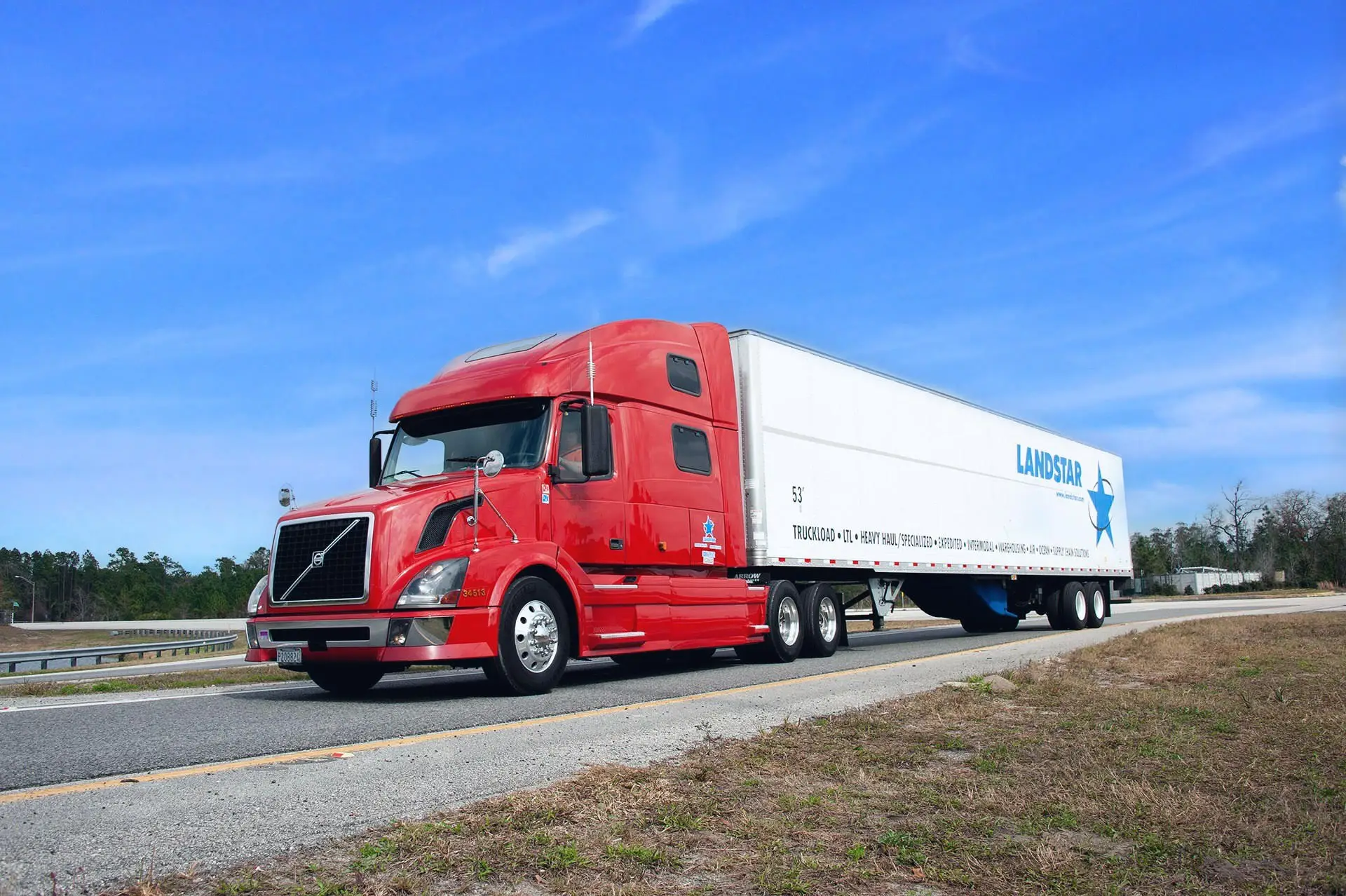
Jansson LLC is a Landstar freight agent with access to a nationwide carrier network — including experienced intermodal operators who understand chassis pool dynamics, drayage coordination, and the freight planning that keeps containers moving even when equipment is tight.
Contact Jansson LLC today. Let’s build the intermodal freight strategy that accounts for chassis risk — before the shortage shows up in your delivery timeline.