Intermodal volumes are running roughly 10% above the five-year average in 2026. Spot truckload rates are forecast to jump 34% year over year. And grain harvest movements — one of the most significant seasonal demand spikes on the U.S. rail network — are still ramping up as the industry enters the second half of the year.
The combination of harvest-season grain carloads, pre-holiday import surges, and tariff-driven front-loading has created a congestion environment that is affecting every shipper who relies on rail for inland freight. Average intermodal train speeds have fallen to multi-year lows across several Class I systems. The capacity that looked available when you booked may not look the same when your freight needs to move.
Understanding the seasonal patterns that drive rail congestion — and planning around them before they become your problem — is what separates intermodal shippers who manage peak season successfully from the ones who absorb the delays.
The Two Peak Events That Drive Rail Congestion
Rail congestion does not appear randomly. It follows a predictable seasonal pattern — two demand spikes that overlap on the calendar and compete for the same network capacity at the same time. Knowing which spike affects your freight and when is the starting point for any effective peak season plan.
Harvest Season: August Through November
Grain is one of the most significant seasonal commodities on the U.S. rail network. The annual harvest season — concentrated from August through November — shifts enormous volumes of corn, soybeans, wheat, and other agricultural commodities onto rail cars as farmers move crop from field to elevator to export terminal.
Farm products and grain were among the leading gainers in AAR’s weekly traffic reports through the first half of 2026, with grain movements accelerating as harvest approaches.
For intermodal shippers, the harvest-season impact is indirect but real. Grain carloads compete for rail capacity, locomotive power, and crew availability with intermodal containers — tightening the same network resources your freight depends on. Intermodal train speeds slow. Terminal dwell times extend. Transit time windows that were reliable in July become less reliable in October.
Holiday Peak Season: September Through December
The pre-holiday import surge is the other major congestion driver. Retailers build inventory ahead of Thanksgiving and Christmas — which means the peak import period for consumer goods runs from August through October, precisely when harvest congestion is also peaking.
September shipments rose 2.5% month-over-month in 2025, amplified by tariff front-loading and weather disruptions, with drayage bottlenecks at key gateways like Los Angeles and New York intensifying and pushing intermodal premiums higher.
The 2025 peak season saw J.B. Hunt implement surcharges as high as $1,500 per load and Union Pacific impose $300 to $500 surcharges for contracted and spot customers respectively. Those surcharge structures did not disappear — they set the template for how carriers approach capacity allocation during peak periods going forward.
What Congestion Actually Does to Your Freight
Rail congestion does not just add transit days. It creates a cascade of compounding costs that most shippers do not budget for until they are paying them.
Extended Transit Times
When train speeds fall and terminal dwell increases, standard transit time windows become estimates rather than commitments. A lane that typically takes five days may take seven or eight during peak congestion — which creates downstream problems for production schedules, customer commitments, and warehouse receiving windows.
Capacity Allocation Failure
Annual rail contracts include weekly allocations — but allocations only count when containers in-gate. When the network is congested and your drayage carrier cannot find a chassis or get a terminal appointment, your weekly allocation goes unfilled and resets the following Sunday. Unused allocations do not carry forward.
Surcharge Exposure
Peak season surcharges can add $300 to $1,500 per load on top of contracted rates. Shippers who did not anticipate these surcharges in their freight budget discover them on invoices that arrive weeks after the freight has already delivered.
The Planning Framework That Works
None of these adjustments require a new carrier or a new contract. They require earlier decisions and a clearer view of how the seasonal calendar interacts with your specific freight lanes. Here is where to start.
Book Earlier Than You Think You Need To
Strategies for success include inventory front-loading in June, leveraging rail for cost efficiency, and monitoring weather forecasts that historically disrupt Midwest hauls.
The shippers who move freight successfully through peak season are the ones who book four to six weeks ahead of their cargo-ready date — not two to three weeks, which is standard practice during slack periods. Earlier bookings secure allocations before they are consumed by higher-priority shippers who planned further ahead.
Shift Friday Freight to Monday
Weekly rail allocations reset each Sunday. Moving freight that would otherwise in-gate on Friday to Monday of the following week prevents allocation overages and reduces the risk of capacity being reassigned when the network is under pressure.
This timing adjustment costs nothing operationally for shipments with flexible delivery windows — and it positions your freight at the front of the weekly allocation cycle rather than the back.
Build Transit Time Buffers Into Customer Commitments
A standard five-day transit time during peak congestion may become seven to eight days. Customer commitments that assumed five-day transit and do not have buffer built in create service failures that damage relationships — even when the freight is moving exactly as the congested network allows.
Communicating realistic transit expectations to customers before peak season — rather than managing exceptions after the fact — is the difference between a logistics conversation and a service recovery situation.
Consider Post-Holiday Timing for Flexible Freight
Delaying shipments until after Christmas is likely to generate savings as capacity loosens and surcharges fall away.
For freight with flexible delivery timing, the post-holiday period — January through early February — offers significantly better capacity, lower surcharges, and more predictable transit times than the August-to-December congestion window. Not all freight can flex this way. But identifying which shipments can — and planning accordingly — is a cost management lever that most shippers leave unused.
How Jansson LLC Helps U.S. Businesses Navigate Peak Rail Season
Seasonal rail congestion is predictable. Its impact on your specific freight is manageable — with the right carrier relationships, the right booking timing, and a logistics partner who understands how peak season dynamics affect your lanes.
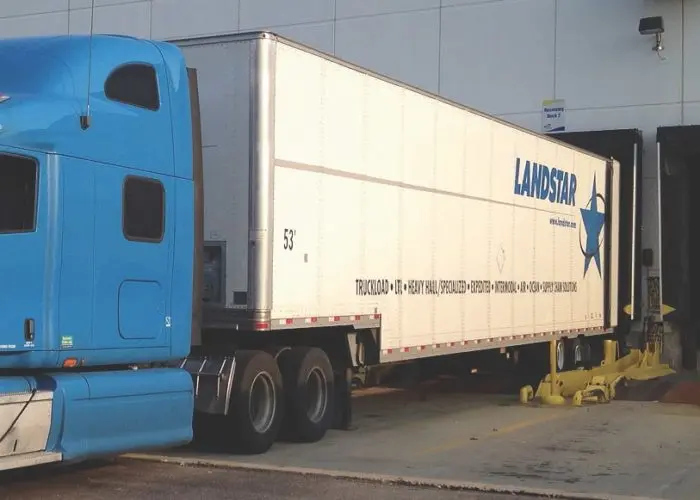
Jansson LLC is a Landstar freight agent with access to a nationwide carrier network — including experienced intermodal operators who understand harvest-season grain competition, peak holiday capacity constraints, and the planning approaches that keep freight moving on schedule through the most congested periods of the rail calendar.
Contact Jansson LLC today. Let’s plan your peak season freight strategy before the congestion window closes your options.