
Preventing Cargo Shifts in Transit: Advanced Strapping and Chain Tensioning for Industrial Goods
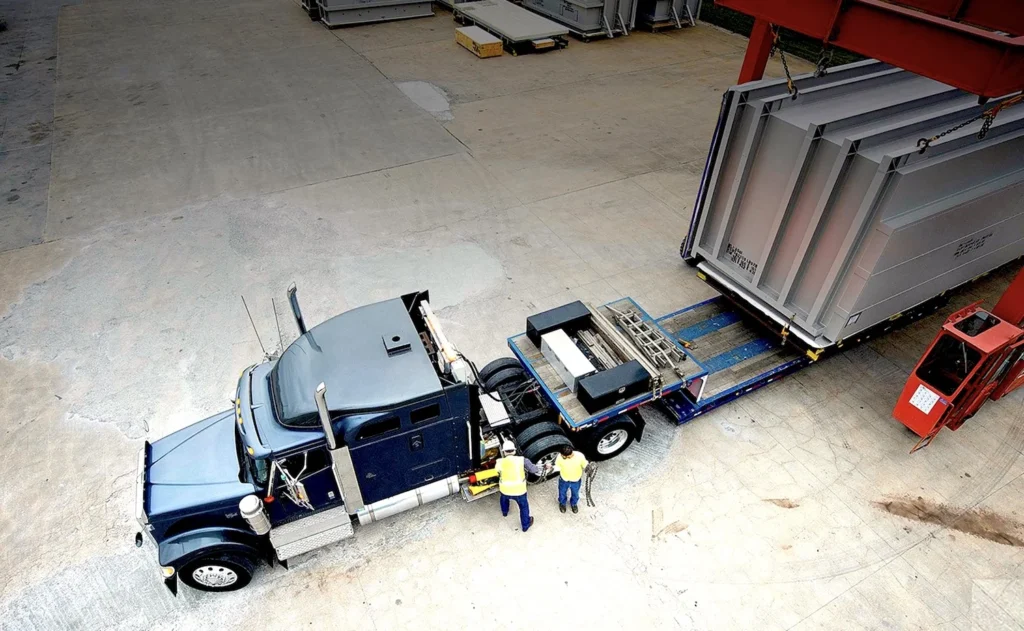
Industrial freight fails in transit for one of three reasons: the tiedown count was wrong, the working load limit calculation was wrong, or the tensioning was inadequate when the truck left the dock. In 2025, CVSA recorded 18,108 citations for cargo that leaked, spilled, blew, or fell in transit — plus 16,054 citations for dunnage, […]
Overhang Laws and Marking Requirements: Legal Rules for Front and Rear Cargo Extrusions

Flatbed freight does not always fit neatly within the boundaries of the trailer. Long steel beams, lumber, pipe, machinery, and building materials routinely extend beyond the front or rear of the vehicle — and every inch of that extension is governed by federal and state regulations that determine whether the load can legally move. Trailer […]
Coil Racks, Beveled Lumber, and Friction Pads: Safety Standards Every Steel Shipper Must Demand
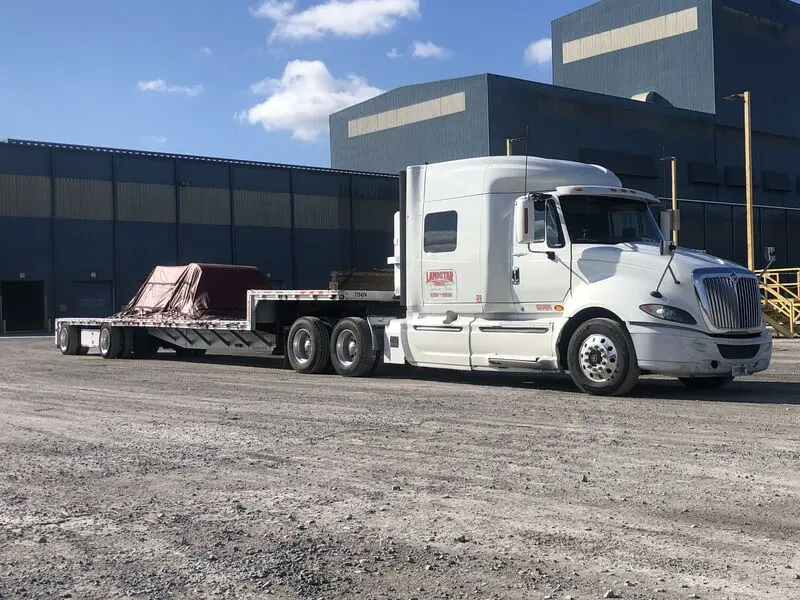
Steel coils are one of the most hazardous cargo types in commercial flatbed freight — and one of the most commonly mishandled. Their round shape means they can roll. Their density means a single coil can weigh 20,000 to 50,000 pounds or more. A steel coil that breaks free at highway speed does not just […]
Mastering Conestoga Trailers: Why Tarp-Free Covered Flatbeds Are Worth the Premium

When freight is too big for a dry van but too sensitive for an open flatbed, most shippers default to a standard flatbed with tarps. There is a better option — and it is worth understanding before your next sensitive load moves. A Conestoga is a specialized flatbed with a retractable tarp mounted on a […]
Driver Retention in Flatbed: Addressing Physical Fatigue, Securement Work, and Tarping Demands
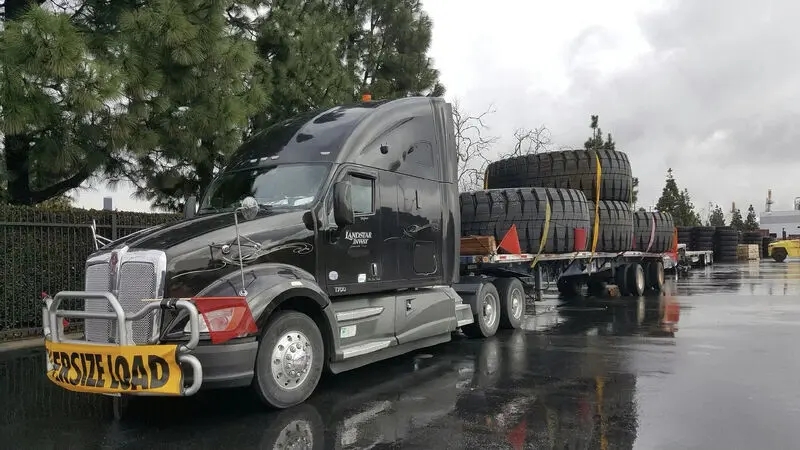
Flatbed trucking is one of the most physically demanding and highly skilled segments of the transportation industry. And it has one of the tightest driver pools in commercial freight. The American Trucking Associations puts the 2026 U.S. driver shortage at approximately 82,000 — with flatbed and heavy haul among the hardest-hit segments. Annual turnover rates […]
Preventing Cargo Shift in Transit: Advanced Blocking, Bracing, and Friction Pad Protocols
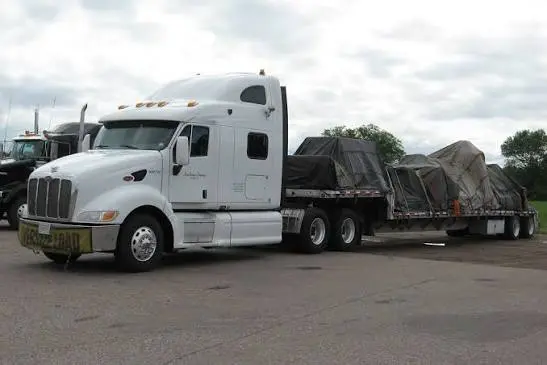
Cargo shift is one of the most dangerous and most preventable events in commercial freight. In 2025, CVSA recorded 18,108 violations for cargo not secured to prevent leaking, spilling, blowing, or falling — plus another 16,054 for unsecured vehicle components and dunnage. That is more than 34,000 securement citations in a single year. And cargo […]
Landed Cost Calculations for Flatbed Freight: Factoring Accessories, Tarps, and Detention into Overhead

Most flatbed shippers know their base rate per mile. Very few know their actual landed cost per shipment — and that gap is where freight budgets quietly fall apart. Flatbed freight averages $3.46 per mile nationally in 2026 — already above dry van rates, reflecting the specialized labor required to tarp, strap, and secure exposed […]
Hauling Building Materials: Protecting Drywall, Lumber, and Insulation in Extreme Weather
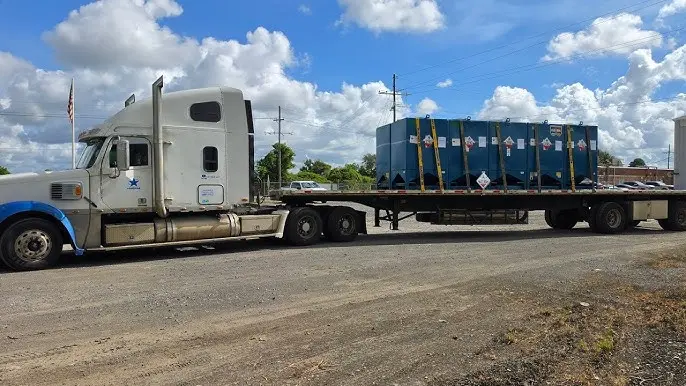
Building materials are among the most weather-sensitive cargo categories in commercial freight — and among the most commonly damaged during transit. Two to five percent of building material loads arrive damaged, draining up to three percent of freight spend every year. For a contractor or distributor moving millions of dollars of materials annually, that damage […]
Ocean Peak Season Planning: Securing Vessel Space and Equipment During High-Demand Months
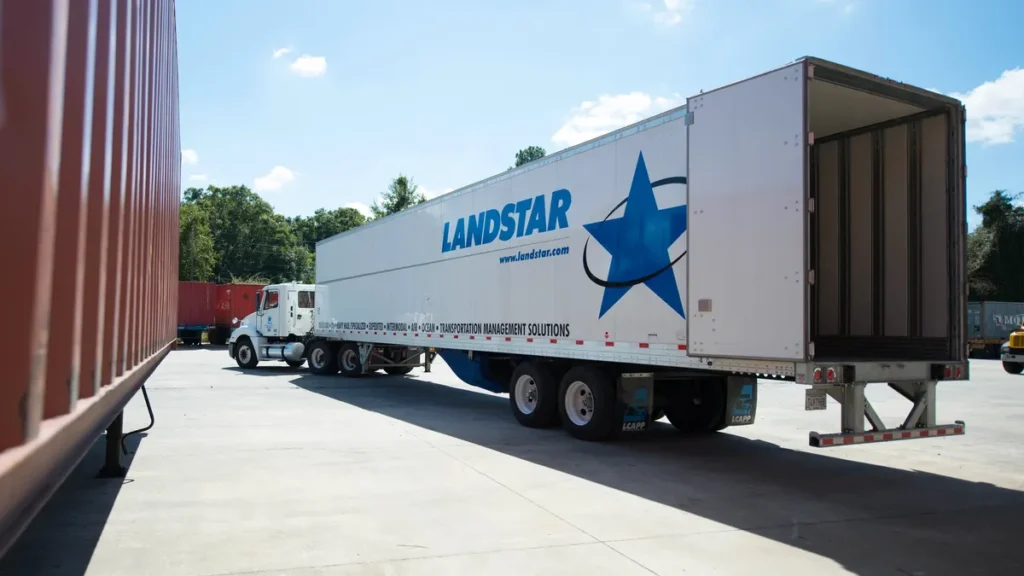
The transpacific ocean freight market experienced an unusually early and aggressive peak season in 2026 — with rates climbing rapidly and capacity tightening across major trade lanes before most importers had begun their peak season planning. Peak Season Surcharges of up to $2,000 per FEU were already in effect across several trade lanes by June […]
Managing Dangerous Goods Imports: Coordinating International Maritime Dangerous Goods (IMDG) Standards
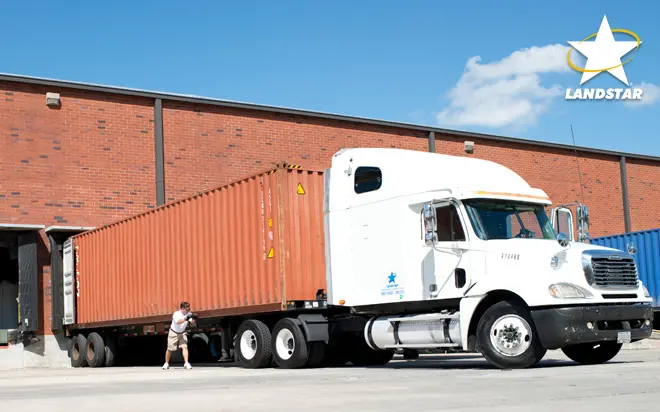
If your business imports dangerous goods by ocean freight — chemicals, batteries, flammable liquids, industrial gases, or any of hundreds of other regulated materials — the regulatory framework governing those shipments changed significantly on January 1, 2026. The International Maritime Dangerous Goods Code Amendment 42-24, adopted by the International Maritime Organization, became mandatory on January […]