
Most LTL delivery disputes start the same way. The driver arrives. The freight comes off the truck. And then the consignee discovers that “delivery” meant something very different to the carrier than it did to them.
Standard LTL delivery is dock-to-dock. The carrier’s obligation ends at the loading dock or the tailgate of the truck. Everything beyond that point — moving freight into the building, placing it in a specific room, removing packaging, assembling the product — is either a paid accessorial service or something the carrier will not do at any price.
LTL accessorials are extra charges for services that are not part of standard less-than-truckload shipping. They usually appear when a carrier has to do additional work, such as using special equipment, handling freight without a dock, or delivering to a restricted location. Understanding exactly where the standard service ends and the accessorial service begins — before the delivery attempt — is what prevents the friction, the reattempt fees, and the customer relationship damage that comes from misaligned expectations.
What Standard LTL Delivery Actually Includes
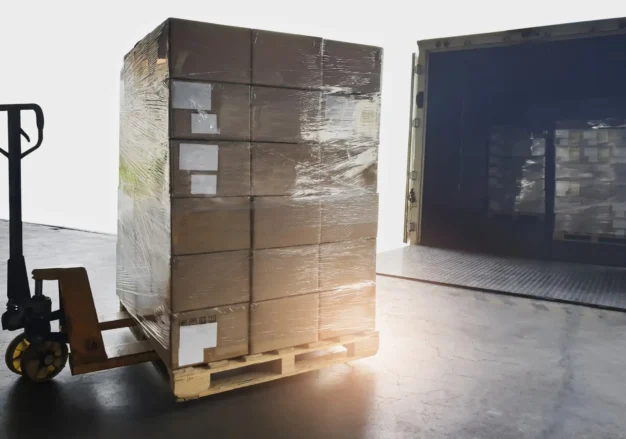
Standard dock-to-dock LTL delivery includes one thing: the carrier brings the freight to the receiving dock or to the tailgate of the truck at the delivery address. The driver is not required to move freight beyond that point.
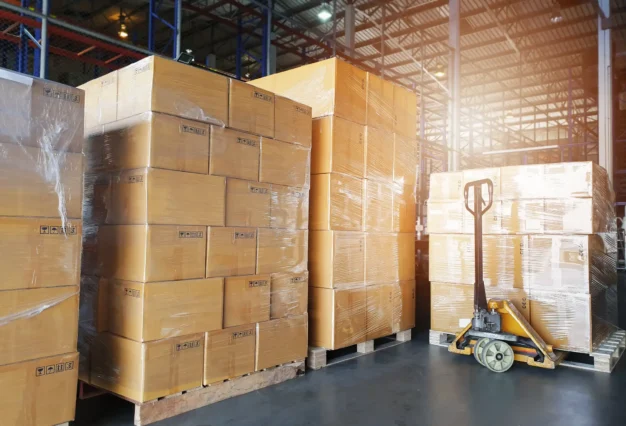
For commercial locations with a standard loading dock, this means freight arrives at the dock and the consignee’s team takes it from there. For locations without a dock — residential addresses, schools, churches, medical offices, retail stores — the driver brings the freight to the back of the truck and stops.
If you want to avoid an inside delivery accessorial, freight must be situated at the end of your dock if a commercial shipment, or put right where the truck will back up to if a liftgate has been requested.
A consignee who expects the driver to carry freight through the front door, down a hallway, and into a specific room — without having booked inside delivery — will be disappointed. The driver has no obligation to provide that service and typically will not.
Inside Delivery: What It Covers
Inside delivery is a paid LTL accessorial — it is never included in the base rate. It covers placement in a specific interior location, not unpacking, assembly, or installation.
Inside delivery is an LTL and parcel accessorial applied when the carrier is required to move freight past the immediate delivery threshold — the back of the truck or the receiving dock — into an interior location specified by the consignee.
Inside fees can be applied when, for a shipment to be delivered, the driver has to physically go into the delivery location and personally move the freight to the place of the freight in the hands of the recipient. This is most often employed in the case of residential pickups or deliveries or in the case of a limited access delivery to an office, military base, school, church, hotel, etc. The cost of inside delivery usually ranges anywhere from $50 to $150 or more.
Carriers typically charge $50 to $200 or more for inside delivery, and the fee may increase based on shipment weight, number of handling units, or whether stairs or elevators are involved. Some carriers cap inside delivery distance — for example, within 50 feet of the entrance — while others define it more loosely.
Inside delivery must be booked at the time of quoting. Adding it after dispatch can trigger authorization delays or change fees. A carrier who arrives without inside delivery on the BOL has no obligation to provide it — and if they do, you will pay a higher unplanned rate.
What LTL Carriers Will Not Do — Regardless of What You Pay
Inside delivery has a defined scope — and it ends well before unpacking, assembly, or installation.
Drivers will NOT take freight from or into a home unless a service such as 2-man delivery, white glove, or deluxe delivery is arranged.
Even with inside delivery booked, the driver is not required to unpack the freight, remove packing materials, assemble components, or place items in a specific position within the room. Inside delivery covers movement and placement. What happens to the packaging after that is the consignee’s responsibility.
For residential deliveries specifically, most carriers limit delivery to the porch, driveway, or garage — not inside the home. A consignee expecting delivery inside a residence needs white glove service — not inside delivery.
White Glove Service: When Inside Delivery Is Not Enough
White glove service — also called deluxe delivery — is the next level above inside delivery. The driver will touch the freight and deliver it to the room of choice. The first flight of steps is free and debris removal to the dumpster is included.
White glove service is appropriate when the consignee needs the freight placed in a specific room, debris removed, and in some cases light assembly completed. It is significantly more expensive than inside delivery and must be specifically booked — it is never a standard LTL service.
The Liftgate Requirement That Most Shippers Forget
Both inside delivery and white glove service frequently require a liftgate when the delivery location does not have a dock. LTL carriers charge accessorial fees when a shipment requires more time, labor, or equipment than standard dock-to-dock service — including moving freight by hand, using a liftgate, entering a residential area, or servicing a site with access restrictions.
A driver who arrives with freight requiring inside delivery — but without a liftgate on a truck serving a non-dock location — cannot complete the delivery. The freight goes back to the terminal. A reattempt fee applies. The consignee waits another day.
Liftgate and inside delivery must both be declared at booking when both are required. Either alone without the other creates an incomplete service request that produces a failed delivery.
The Appointment and Call-Ahead Distinction
Many consignees assume the carrier will call before arriving. Most LTL carriers have no obligation to do so under standard service.
LTL carriers will NOT make pick-up appointments and very rarely will do a call ahead before picking up. The same principle applies at delivery — unless a delivery appointment or call-ahead accessorial is specifically booked, the carrier will attempt delivery within the published service window without advance notice.
For consignees who need to be present to accept a delivery — residences, offices with limited staff, locations that require access coordination — a delivery appointment accessorial must be booked. Without it, a missed delivery attempt generates a storage fee if the freight is held at the terminal and a redelivery fee for the second attempt.
How Jansson LLC Helps U.S. Businesses Navigate LTL Delivery Requirements

The gap between what standard LTL includes and what your consignee actually needs is where most LTL delivery problems originate — and where accessorial charges accumulate unexpectedly.
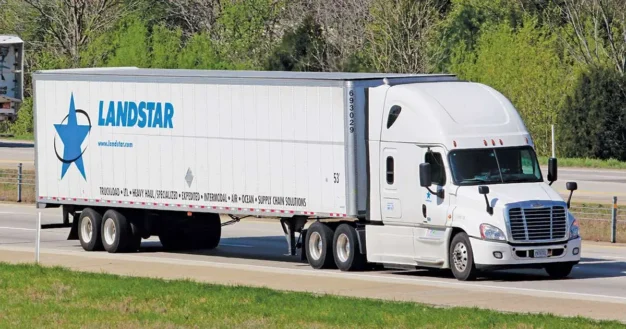
Jansson LLC is a Landstar freight agent with access to a nationwide carrier network — providing U.S. businesses with LTL routing options, carrier selection, and freight coordination across multiple lanes and regions.
Through the Landstar network, Jansson helps U.S. businesses identify the correct accessorial services for their specific delivery requirements before the shipment moves — so the driver arrives with the right service authorization and the consignee receives what was actually needed.
Contact Jansson LLC today. Let’s make sure your LTL deliveries are set up correctly from the start — so nothing surprises you or your consignee at the door.