
Preventing “Container Rain”: Moisture, Desiccants, and Cargo Protection in Long-Haul Ocean Transit
You open the container doors. The smell hits first — damp cardboard mixed with mildew. Dark patches spread across the outer layers of your cargo. Ten percent of the shipment is compromised before it ever reaches your warehouse. This scenario plays out daily for importers worldwide. The cause is not a leak. It is not […]
Incoterms 2020 Demystified: Who Assumes Risk and Freight Costs in EXW, DDP, and FOB Contracts
A three-letter code written into your purchase order determines who pays for freight, who handles customs, and who absorbs the financial loss if cargo is damaged in transit. Most importers and exporters know which Incoterm they use. Fewer understand exactly what that term commits them to — and where the hidden exposure lies when the […]
The 5 Most Common Mistakes Shippers Make When Calculating Axle Weight Distribution
Most overweight violations are not the result of intentional overloading. They happen because of specific, predictable calculation errors — operational gaps that show up at the weigh station long after the loading dock is behind the driver. Overweight trailers account for nearly 15% of all FMCSA roadside inspection violations. The hidden costs — out-of-service downtime, […]
7 Unexpected Route Obstacles That Can Halt Your Oversized Shipment Mid-Transit
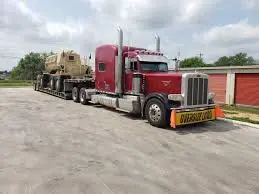
A permitted oversized load that gets stopped mid-transit is one of the most expensive problems in heavy haul logistics. Not because of the fine — though that comes too — but because of everything downstream. A stopped load means a delayed project, an idle crew, and an emergency rerouting process that costs far more than […]
Heavy Construction Equipment Logistics: Best Practices for Shipping Excavators Cranes, and Bulldozers
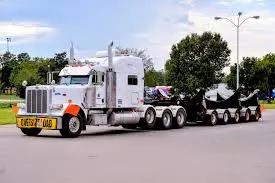
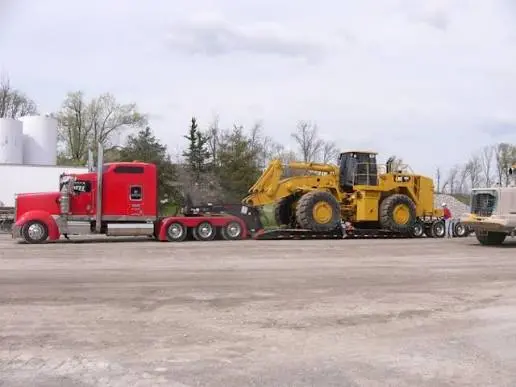
Shipping heavy construction equipment is one of the most complex logistics challenges in commercial freight. The stakes are high on every dimension — the equipment is expensive, the loads are almost always oversize, the compliance requirements are detailed, and the consequences of getting any step wrong range from costly citations to catastrophic road incidents. Heavy […]
The Art of Weight Distribution: How Proper Deck Placement Prevents Frame Bending and Axle Violations
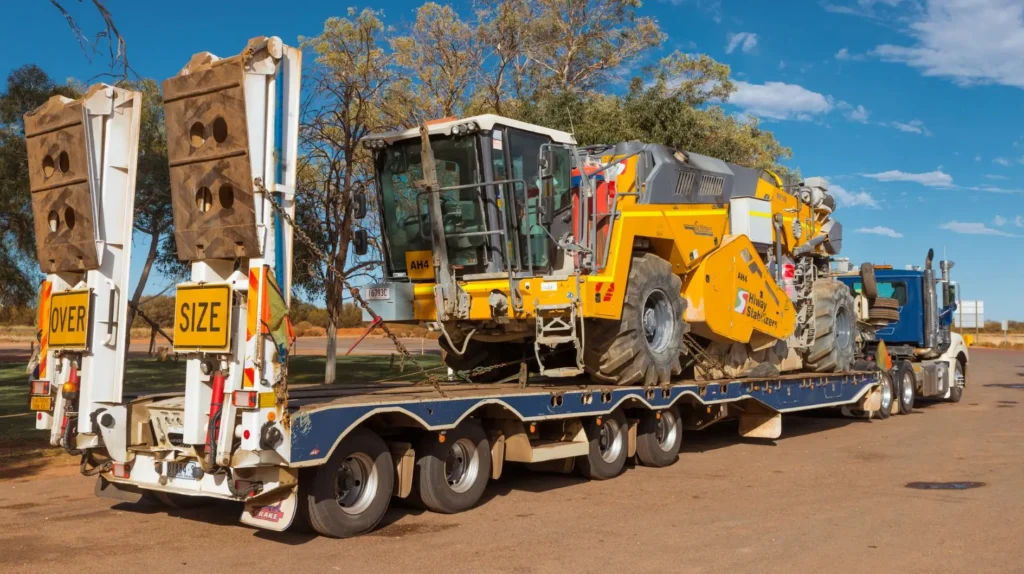
Most flatbed shippers focus on what they are loading. The ones who consistently avoid violations, damaged freight, and inspection delays also pay close attention to where they are loading it. Weight distribution is not an optional best practice in flatbed freight. It is a federal compliance requirement — and getting it wrong creates consequences that […]
High-Risk Cargo Protection: Best Practices for Securing Freight Moving Through Mexican Highways
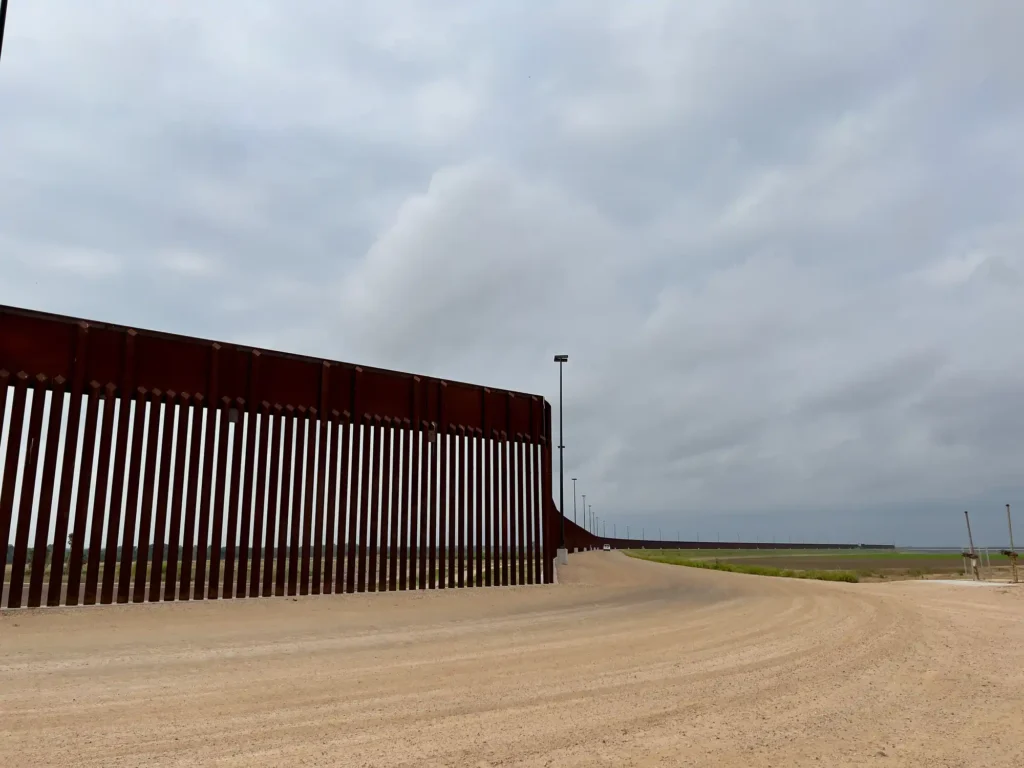
Mexico is the most important trading partner the United States has — and one of the most challenging freight security environments in the world. Within North America, Mexico represented 56% of reported cargo theft incidents in Q4 2025, according to BSI Consulting’s analysis — significantly more than the U.S. at 36% and Canada at 7%. […]
Direct Trailer vs. Transloading: Which Cross-Border Strategy Suits Your Goods?
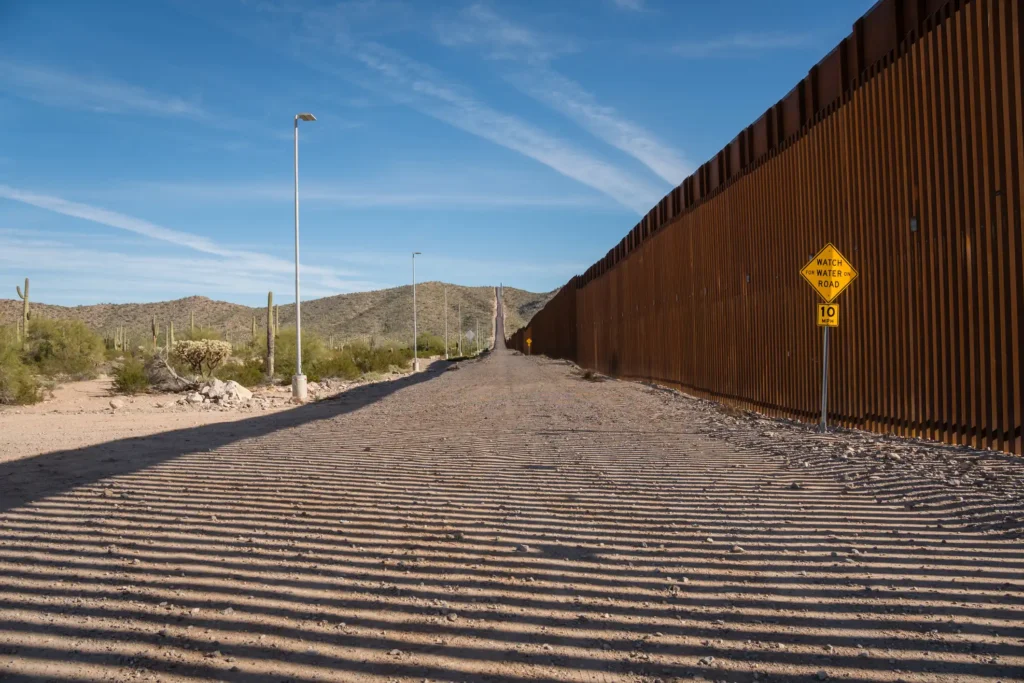
U.S.-Mexico truck freight reached $872.8 billion in 2025 — up 3.9% from the prior year — making it the largest and fastest-growing bilateral trade corridor in North America. Trucking carries 73.6% of all freight between the two countries. For businesses shipping across that border, one of the most consequential operational decisions is how the freight […]
C-TPAT Certification Explained: Is It Worth the Investment for Your Cross-Border Supply Chain?
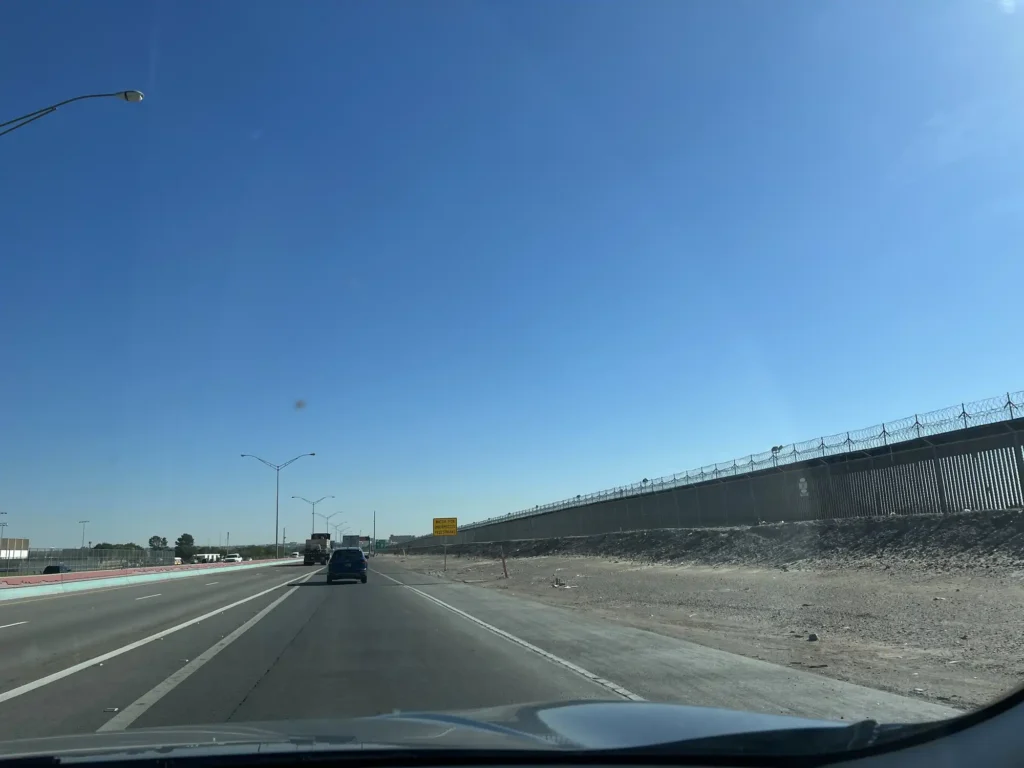
If your business imports goods into the United States regularly, C-TPAT is one of the most financially significant compliance programs you may not be using. C-TPAT — the Customs-Trade Partnership Against Terrorism — is a voluntary supply chain security program administered by U.S. Customs and Border Protection. The program now covers more than 11,500 certified […]
Avoiding Red Channels: How Complete Customs Documentation Keeps Your Freight Moving

Every international shipment that enters the United States goes through a customs channel assignment. Most shippers do not know this happens — and fewer still understand that the documentation they submit before arrival largely determines which channel their freight lands in. Through these channels, Customs determines whether a shipment can be released directly or whether […]