
Most shippers focus on weight and freight class when calculating LTL costs. Very few think about linear feet — until they get an invoice that does not match the quote.
The linear foot rule is a transportation industry standard which states that shipments occupying 10 linear feet or more of trailer space are charged at 1,000 pounds per linear foot. Cross that threshold without realizing it and your carefully quoted LTL rate disappears — replaced by volume pricing, cubic capacity charges, or a full truckload rate that can cost significantly more than you planned.
This is one of the most common and most avoidable sources of invoice surprises in LTL shipping. Here is what you need to understand before your next shipment moves.
Why the Linear Foot Threshold Has Gotten Stricter
For less-than-truckload carriers, maximizing profitability has meant lowering linear-foot caps from 16 linear feet to 12 linear feet — and turning away freight that exceeds those caps. When less-than-optimal freight is not outright denied, punitive pricing measures make moving it unaffordable.
That shift has created a new problem for shippers. Freight that used to clear the threshold at 16 feet may now exceed the limit at 12 feet. And the consequences compound quickly.
Shippers that used to rely on a single LTL carrier to move their freight are now being forced to use two or three different carriers in order to meet customer demand without exceeding linear-foot caps. Each time a new player is introduced, the life cycle of a shipment becomes more compromised and less efficient.
Understanding where your shipments sit relative to each carrier’s threshold is no longer optional. It is a core part of freight planning.
What Linear Feet Actually Measures
A linear foot is 12 inches measured along the trailer floor in a straight line. Carriers measure the length of your shipment inside the trailer — not the total square footage or cubic volume.
Linear feet matters because LTL carriers sell trailer space to multiple shippers on every load. A shipment that takes up 12 linear feet of a 53-foot trailer is using roughly 23% of the available floor. If that shipment is light relative to the space it occupies, the carrier may apply linear foot pricing instead of standard class-based LTL rates — effectively converting your LTL shipment to a space-based charge.
Standard 48×40-inch pallets placed end to end occupy 4 linear feet each. Two pallets fit side by side across the standard 96-inch trailer width. So five standard pallets — two pairs plus one — occupy approximately 12 linear feet. That is right at the threshold where most carriers change how they price your shipment.
Where the Threshold Sits — and Why It Varies
Most LTL carriers limit a single shipment to occupying 12 linear feet of trailer space or less. Others may allow 15 feet and a select few allow as much as 20 to 24 feet. It is critical to know the variations among your carrier network.
That variation is where shippers get caught. A shipment that fits within one carrier’s threshold may trigger volume pricing with another. If your system quotes based on one carrier’s rules and the actual carrier has a stricter threshold, the adjustment hits your invoice after the freight has already moved.
When the linear foot rule triggers, the carrier may switch your shipment from standard class-based LTL pricing to linear foot pricing, apply a per-linear-foot surcharge, or reclassify the shipment entirely.
The Non-Stackable Problem
Non-stackable freight makes the linear foot calculation significantly worse — and is the most common trigger for unexpected charges.
A 5,000-pound shipment of eight standard stackable pallets equates to 426.7 cubic feet and a density of 11.72 pounds per cubic foot. That same shipment, if non-stackable, equates to 853.3 cubic feet and a density of 5.86 pounds per cubic foot — most surely triggering the carrier’s cubic capacity rule in lieu of standard LTL pricing.
When freight cannot be stacked, each pallet occupies its full height on the trailer floor — and the carrier treats it as using more space for pricing purposes. A shipment that seemed manageable as stackable freight can blow past the linear foot threshold the moment non-stackable status is applied.
Declaring freight as stackable when it is not can lead to carrier disputes and unexpected cost increases. Carriers check at the terminal. If your BOL says stackable and the driver disagrees, you are getting a billing adjustment.
How to Calculate Your Linear Footage Before You Book
The calculation is straightforward for standard pallets.
Count your total pallets. Divide by two — that is how many rows fit side by side in a standard 96-inch trailer. Multiply the number of rows by the pallet length in feet. For standard 48-inch pallets, that is 4 feet per row.
Six standard stackable pallets: 6 ÷ 2 = 3 rows × 4 feet = 12 linear feet. Right at the threshold.
Seven non-stackable pallets: each occupies the full height, so the carrier treats them as 7 rows × 4 feet = 28 linear feet. Well past the threshold for most carriers.
Knowing this number before you book — not after the carrier measures at pickup — is what keeps your invoice consistent with your quote.
When It Makes More Sense to Quote Partial Truckload
If your shipments consistently exceed 10 to 12 linear feet, standard LTL may not be the most efficient mode.
The shared truckload model provides an additional option for shippers that find themselves exceeding traditional LTL linear-foot caps but do not have enough freight to fill an entire truck. It allows shippers to experience all the benefits of truckload — relative predictability, heightened security, and relaxed restrictions — while only paying for the space their freight takes up.
At around 15 to 20 linear feet, a partial truckload quote frequently becomes competitive with or cheaper than LTL linear foot pricing. Running both quotes on the same shipment before booking is one of the highest-return habits a regular shipper can develop.
How Jansson LLC Helps U.S. Shippers Avoid Linear Foot Surprises
Linear foot calculations, carrier threshold variations, stackability assessments, and mode comparisons are exactly the kind of freight complexity that generates invoice surprises when handled without a knowledgeable logistics partner.
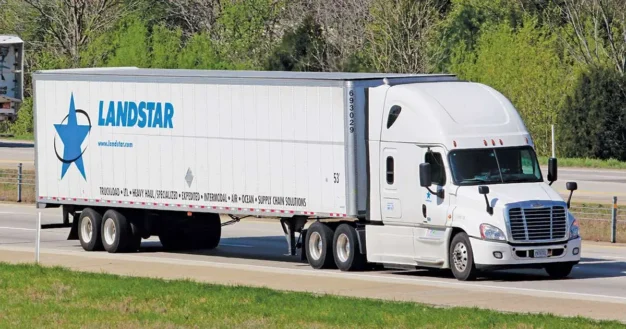
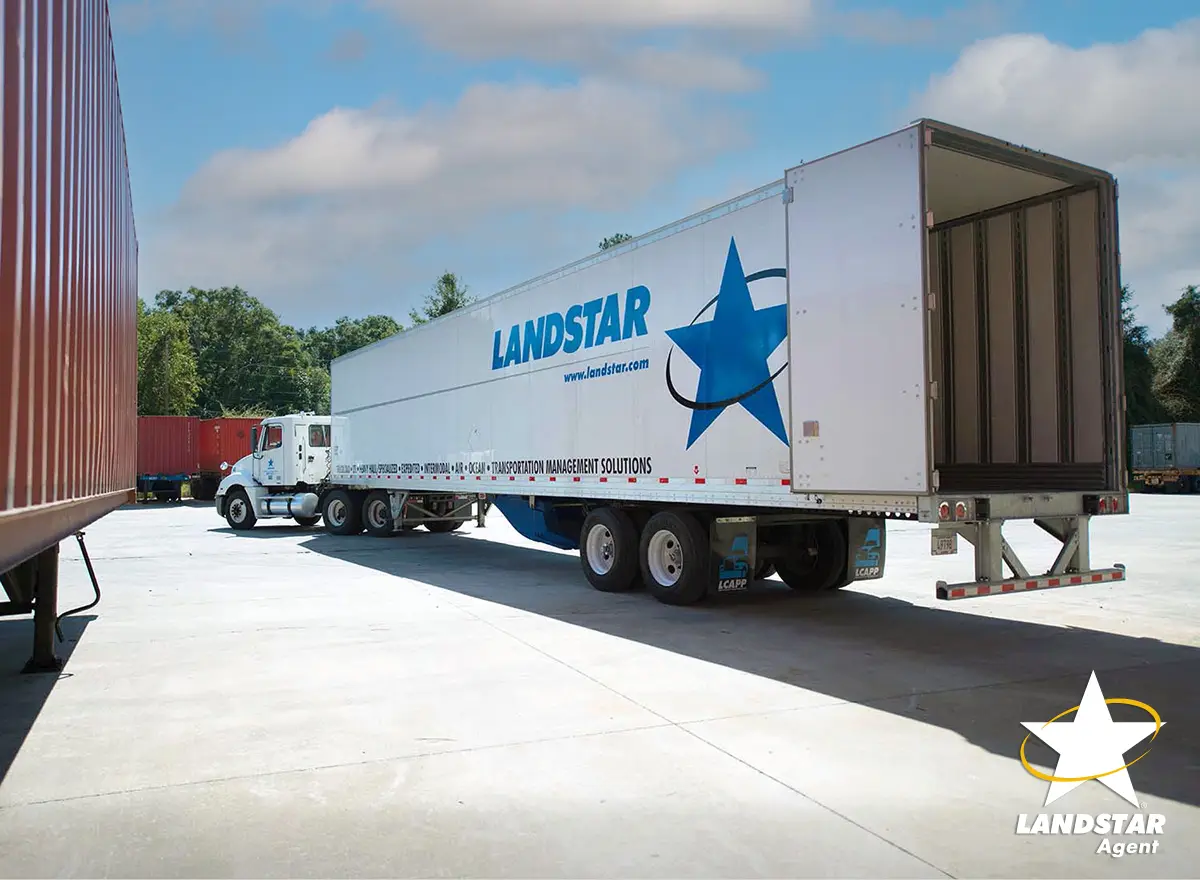
Jansson LLC is a Landstar freight agent with access to a nationwide carrier network — including LTL, volume LTL, partial truckload, and full truckload options across all 48 contiguous states.
Through the Landstar network, Jansson helps U.S. businesses calculate linear footage accurately before shipments move, compare LTL and partial truckload pricing on shipments approaching the threshold, and select the right mode and carrier for each load — so your invoice reflects what you actually expected to pay.
Contact Jansson LLC today. Let’s make sure your next LTL shipment stays on the right side of the linear foot threshold.