Most businesses know their purchase price. Very few know their true landed cost — and in 2026, that gap is costing them more than ever.
According to Thomson Reuters’ 2026 Global Trade Report — which surveyed trade professionals across industries — 72% now name U.S. tariffs as their top supply chain risk. U.S. customs revenue increased 271% in 2025 compared to the prior year baseline. One distributor reported that roughly 50% of an item’s cost was going toward tariff charges — compared to maybe 15% previously.
The supplier quote on your purchase order is just the starting point. What follows — in duties, freight, intermodal transfer costs, storage, currency risk, and compliance overhead — can add 30 to 200% to your product cost before it reaches your warehouse.
Here is where the hidden costs live — and how to build them into your margin calculations before they surprise you.
The Gap Between Purchase Price and True Landed Cost
Landed cost is the total cost of a product from origin to the door of your facility. It includes the purchase price — and everything else.
Most businesses calculate landed cost informally. They know their freight quote. They have a rough sense of duties. But the components that accumulate between those line items are where margin quietly disappears.
A useful formula: Landed Cost = Product Cost + Freight + Insurance + Duties and Tariffs + Customs Brokerage + Port and Terminal Fees + Intermodal Transfer Costs + Storage + Compliance Overhead.
Each component deserves attention. In 2026, several have grown significantly larger than businesses planned for.
Where the Hidden Costs Are Largest
Most of these costs do not appear on a supplier quote. They show up later — on customs invoices, carrier bills, and storage statements that arrive weeks after the purchase decision was already made. Here is where the biggest surprises tend to land.
Tariffs and Duties — Now Structurally Higher
U.S. trade policy implemented a minimum 10% tariff on most imported products in 2025, with significantly higher rates on Chinese goods. As of mid-2025, the average effective duty rate on Chinese imports was approximately 52% — with some categories exceeding 100%.
Tariff exposure can no longer be modeled as a short-term cost variance. It must be embedded into long-term sourcing architecture. A sourcing strategy optimized for 2023 duty rates may be deeply uneconomical today — and recalculating landed cost with current rates is the first step to understanding actual margin.
The second step is verifying that HTS classifications are current. Wrong codes mean wrong duty calculations — and CBP can reclaim underpaid duties going back five years.
Intermodal Transfer Costs
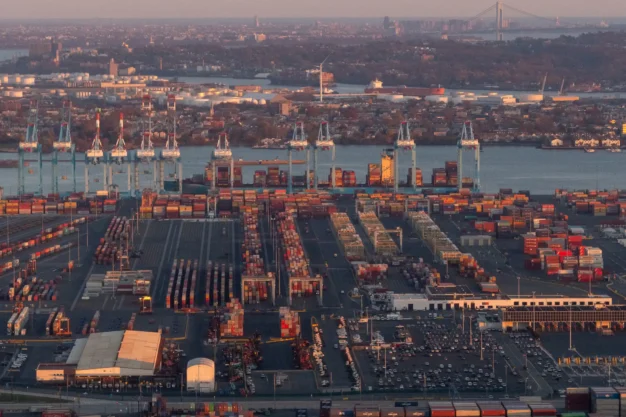
Products sourced internationally rarely move on a single carrier from factory to final destination. They move by ocean freight to a U.S. port, transfer to rail or truck for domestic transport, and often transfer again for final-mile delivery.
Each transfer point adds cost. Port terminal fees. Drayage charges. Rail ramp fees. Intermodal handling. These costs are real, they are variable, and they are rarely fully captured in the original freight quote.
Businesses that build intermodal transfer costs into their landed cost models upfront make better sourcing decisions — because they are comparing true costs, not quoted costs.
Inventory Carrying Costs From Longer Lead Times
Global sourcing inherently involves longer supply chains. A three-week holdup at a congested port can derail entire production schedules. For high-volume operations, every hour of production downtime has a calculable dollar cost.
Higher landed costs are also changing inventory strategy. When duty rates are unstable or sourcing risk rises, companies shift toward just-in-case strategies — holding more inventory and extending forecast horizons. That may improve resilience in the short term, but it ties up working capital and reduces efficiency.
Carrying costs — storage, insurance, financing — are part of landed cost. They are just one of the components that most businesses forget to include.
Currency and Payment Timing Risk
A part quoted at $5,000 can swing hundreds of dollars in final payment if exchange rates shift unfavorably before the invoice clears. For businesses with high import volumes, currency exposure across multiple purchase orders can represent significant unplanned cost variance across a fiscal year.
Compliance and Documentation Overhead
Country-of-origin requirements, evolving environmental standards, USMCA rules of origin, and customs filing requirements demand constant oversight. Every form, inspection, or correction consumes labor hours that rarely make it into sourcing calculations.
Non-compliance fines or shipment rejections can balloon costs overnight. If your procurement team spends more time managing customs paperwork than placing orders, that administrative drag has a cost — and it belongs in your landed cost calculation.
Building a Better Landed Cost Model
A reliable landed cost model requires four inputs that most businesses currently handle informally.
Current duty rates by HTS code and country of origin
Not the rates from three years ago. Current rates — recalculated against today’s tariff schedule, Section 301 applicability, and any applicable trade agreement benefits.
Full freight costs including intermodal transfers
Not just the ocean freight quote. Drayage, rail ramp fees, intermodal handling, and final-mile delivery costs included.
Storage and carrying costs
Based on realistic transit times and inventory buffer requirements — not best-case scenarios.
Compliance overhead
Customs brokerage fees, classification review costs, and documentation labor included as a per-shipment cost.
When these four components are built into a single landed cost model — updated regularly as tariff rates and freight costs change — the comparison between sourcing options becomes dramatically more accurate.
How Jansson LLC Helps U.S. Businesses Manage Freight Costs Across the Supply Chain
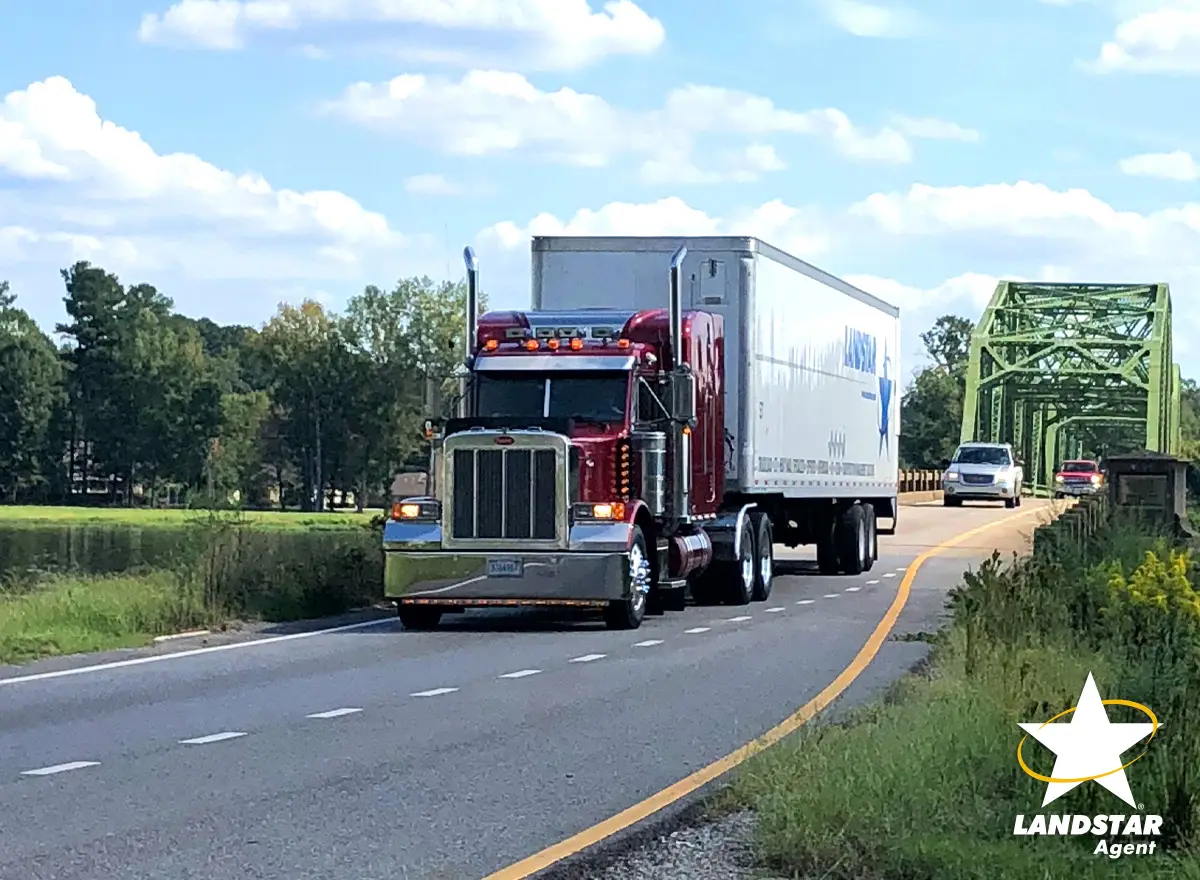
Landed cost control starts with the supplier quote — but logistics execution is where cost variance is either controlled or compounded.
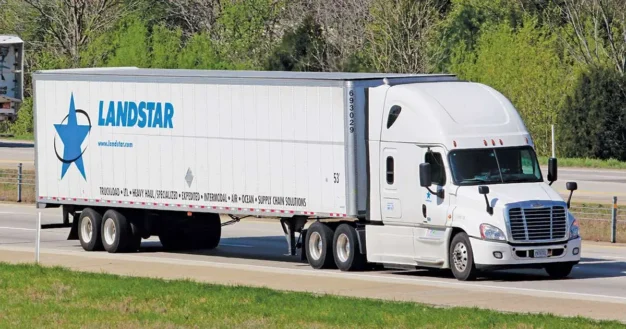
Jansson LLC is a Landstar freight agent with access to a nationwide carrier network — including intermodal rail, over-the-road trucking, flatbed, and cross-border freight options across all 48 contiguous states and international corridors.
Through the Landstar network, Jansson helps U.S. businesses identify the most cost-effective routing for their specific freight lanes, evaluate intermodal alternatives where they reduce per-unit logistics cost, and build freight strategies that account for the full cost of moving goods from origin to destination — not just the line-haul rate.
Contact Jansson LLC today. Let’s build the freight strategy that keeps your landed cost competitive — no matter what the tariff environment looks like next quarter.