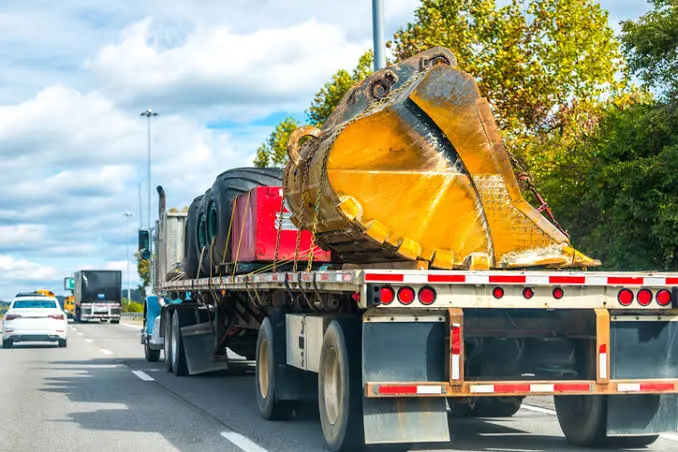
Edge protectors are one of the smallest items in flatbed cargo securement — and one of the most consequential when they are missing.
Missing edge protectors on strap loads are an immediate violation. An inspector who sees a strap pulled taut over a sharp, unprotected edge will write a violation on the spot. The fine can range from $1,000 to $16,000 per violation depending on severity — and a compromised strap that fails in transit creates liability exposure that far exceeds the cost of compliance.
For U.S. businesses shipping flatbed freight — steel, lumber, heavy equipment, machinery, pipe, or any cargo with sharp corners — understanding edge protection requirements is not optional. It is the difference between freight that arrives intact and on schedule, and freight that causes an accident, a claim, or a compliance crisis.
What Edge Protectors Actually Do
An edge protector is a reinforced material — plastic, rubber, metal, or heavy cardboard — placed between the cargo and the tiedown at any point where the strap, chain, or wire rope makes contact with a sharp edge or corner.
The mechanics are straightforward. By positioning edge protectors at the point of tension, you redistribute that tension — reducing friction, pressure, and resulting damage to your cargo and your tiedown. Since the overall amount of tension stays the same, the load stays secure.
Without an edge protector, the strap bears the full concentrated force of the tension at the sharpest point of contact. Over hundreds of miles of highway vibration, that contact point abrades the webbing — weakening it progressively until it fails. A strap that looks intact at pickup may not be intact at delivery.
When FMCSA Requires Edge Protection
Edge protectors are required when wire rope, chain, or synthetic webbing passes over sharp edges that could cut or abrade the tiedown. This is especially important with metal cargo where sharp corners are common. Failure to use edge protectors is a citable violation in roadside inspections and can result in out-of-service orders if the condition is serious enough.
Corner protectors are mandatory by law anytime you have a load that could potentially cut or damage the strap. According to FMCSA, transporting dressed lumber, metal coils, or heavy equipment, vehicles, or machinery is considered a significant risk to your strap — and load protectors are required when transporting these types of goods.
The key phrase in the regulation is “could cut or damage the tiedown.” The standard is not whether damage has occurred — it is whether the potential exists. Inspectors apply this standard consistently, and they are trained to identify the risk on sight.
The Types of Edge Protectors and When to Use Each
Not all edge protectors work equally well across all cargo types. Choosing the right material for the specific load, edge profile, and tiedown type is what makes the protection effective — rather than just technically present. Here is how each type performs in practice.
Plastic Edge Protectors
Plastic edge protectors are the most common type in flatbed operations. They are durable, lightweight, and reusable across multiple loads. They work well for steel beams, structural shapes, and any metal cargo with defined corners.
Rubber Corner Guards
Rubber guards conform to irregular shapes and provide additional grip between the cargo and the strap. They are useful for cylindrical loads and cargo with rounded or uneven edges where rigid protectors may not seat cleanly.
Cardboard and Foam Sleeves
Heavy cardboard and foam sleeves are common for packaged or crated cargo where the primary concern is surface damage rather than strap abrasion. They are single-use in most applications and are not appropriate for heavy steel or sharp metal edges where more rigid protection is required.
Metal Edge Protectors
Metal edge protectors are used for the heaviest loads where plastic or rubber would deform under pressure. They are typically used in combination with chains rather than straps for superloads and heavy haul applications.
What Happens When Edge Protection Fails
Strap failure from edge abrasion does not always announce itself. Webbing can weaken significantly at the point of contact before any external signs of damage are visible. Any strap with cuts, fraying, damaged stitching, or hardware problems must be removed from service and replaced. DOT regulations prohibit repairs to damaged securement straps — repairs cannot restore original strength and safety characteristics, potentially leading to failures during transport.
When a strap fails at highway speed, the consequences can be severe. Cargo shifts — or falls. Other vehicles are endangered. The shipper faces a cargo claim. The carrier faces liability and CSA score damage. Operators with systematic strap compliance programs achieve 100% DOT inspection pass rates, maintain excellent CSA scores that attract premium customers, and avoid the $15,000 to $35,000 annual violation costs that plague non-compliant operations.
The cost of edge protectors is measured in dollars per load. The cost of not using them is measured in claims, violations, and damaged relationships.
What Shippers Should Verify Before a Flatbed Load Moves
Most shippers assume that cargo securement is entirely the carrier’s responsibility. It is not — and understanding this distinction protects your business.
If you are tendering flatbed freight with sharp edges, corners, or abrasive surfaces, you have an interest in confirming that the carrier arriving at your dock understands edge protection requirements and is equipped to meet them. A carrier who loads your steel without edge protectors on the straps is creating a compliance violation that can stop your freight mid-transit.
Ask your logistics provider whether their carriers are trained on FMCSA cargo securement requirements and whether flatbed loads are verified for compliance before departure. The answer tells you a great deal about the quality of the carrier network behind them.
How Jansson LLC Helps U.S. Businesses Move Flatbed Freight Safely
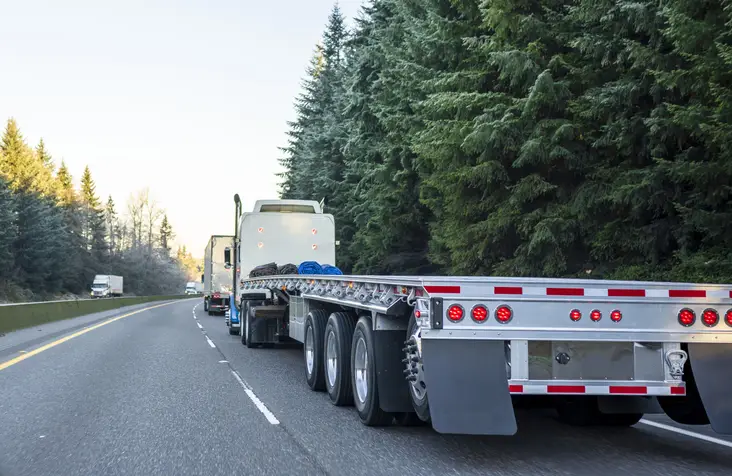
Cargo securement compliance starts with the carrier — but it is your freight, your timeline, and your relationship with the end customer that suffers when something goes wrong.
Jansson LLC is a Landstar freight agent with access to a nationwide carrier network — including experienced flatbed operators who understand FMCSA cargo securement requirements, edge protection standards, and the specific handling requirements for steel, lumber, heavy equipment, and other demanding flatbed commodities across all 48 contiguous states.
Through the Landstar network, Jansson helps U.S. businesses match their flatbed freight with compliant, experienced carriers who arrive prepared — with the right equipment, the right knowledge, and the right practices to keep your cargo secure from pickup to delivery.
Contact Jansson LLC today. Let’s make sure your flatbed freight is moving with a carrier who gets the details right — before the truck ever leaves your dock.