Every LTL driver on a pickup route makes judgment calls about which shippers to prioritize — and your dock practices are a major factor in how those calls go.
LTL carriers are increasingly selective about the freight they accept — pricing for network fit, cube, and crossdock efficiency instead of market share. That selectivity extends to how individual shippers are treated on the pickup route. A shipper who creates delays, provides inaccurate information, or makes loading difficult is not a preferred stop. A shipper who is organized, accurate, and efficient is.
The difference between those two shippers shows up in on-time pickups, better carrier relationships, and more competitive rates over time. Here is what preferred shippers actually do differently.
Why Carriers Have Pickup Preferences
LTL carriers assign multiple pickups to each driver on a route. When an LTL driver performs a pickup route, they typically begin with the furthest shipments away from the terminal and work back toward it.
A driver who arrives at your dock expecting a 600-pound, three-pallet shipment and finds a 2,000-pound, ten-pallet load instead faces a problem. Because the driver has an empty truck at the time, they can take it but somewhere along the route, the truck will fill earlier than planned, and another shipper’s freight will be bumped.
LTL carriers assign multiple pickups to each driver and sometimes instruct drivers to leave after 15 to 20 minutes with or without your freight. If your dock is not ready when the driver arrives, your shipment may not go out that day.
That lost pickup means a missed transit day, a delayed delivery, and a downstream customer service problem. All of it is preventable.
The Small Changes That Make a Big Difference
None of these changes require major investment. Most require only consistency — and the operational discipline to do the same things the same way on every shipment. Here is where to start.
Provide Accurate Shipment Information Before Pickup
This is the highest-impact change most shippers can make — and it costs nothing.
There are many reasons why it is smart for LTL carriers to know what the actual shipment weights and cube are up front. Not knowing can lead to shipment delays. Provide accurate weight and cube details on shipment tenders for best results.
Accurate information allows the carrier to plan the route correctly — putting your freight in the right position on the driver’s schedule and the right position in the trailer. Inaccurate information causes cascading delays across the entire pickup route.
Check your freight class against current NMFC density rules before tendering. Measure actual dimensions. Use a calibrated scale for weight. Do not estimate.
Get Your Freight Ready Before the Driver Arrives
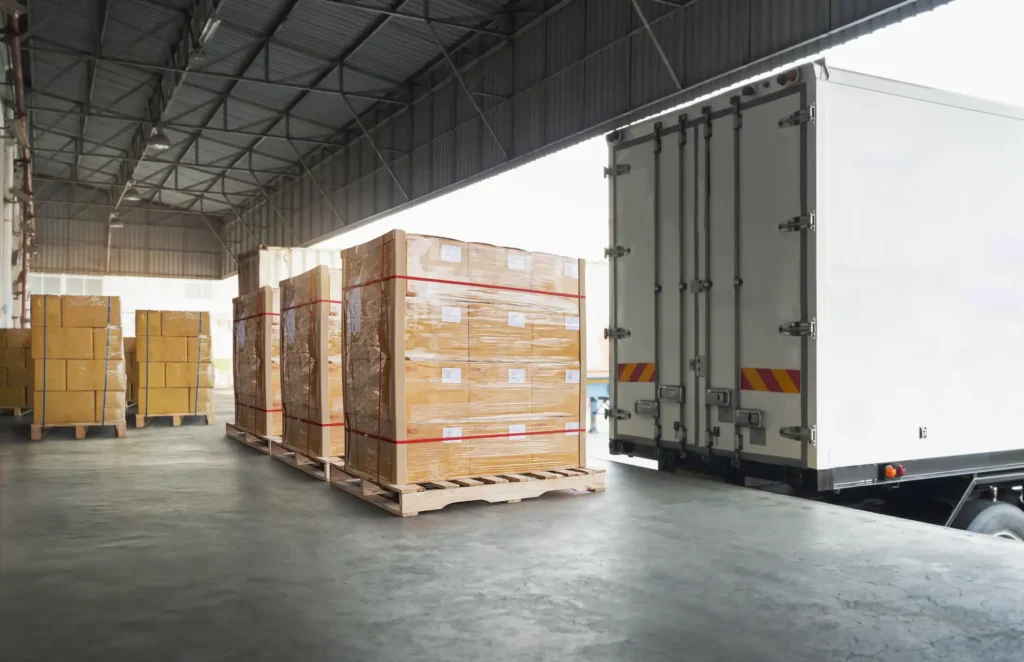
Get your freight ready prior to the driver’s arrival and, if possible, devote one or more dock doors to LTL pickups and deliveries.
A driver who arrives to freight that is not palletized, not labeled, or not ready for immediate loading will either wait — eating into their route time — or leave without your shipment. Neither outcome works in your favor.
Set an internal standard: freight must be staged, palletized, stretch-wrapped, and labeled before the scheduled pickup window begins. Not during. Before.
Label Every Pallet Clearly and Correctly
One BOL label per pallet, on the long side facing outward. Include shipper name, consignee, PRO number, and freight class. Missing labels cause terminal delays that add 24 to 48 hours to transit.
Labels that fall off, face the wrong direction, or are obscured by stretch wrap create handling errors at every terminal the freight touches. LTL shipments pass through an average of four to five handling events between pickup and delivery. Clear labeling at origin is what keeps those events smooth.
Consolidate to Fewer Handling Units
LTL carriers prefer to handle shipments with the fewest handling units possible — a shipment of one pallet containing many boxes stretch-wrapped to form one piece rather than many individual pieces. This reduces handling costs and the risk of damage during transit.
If you regularly ship multiple small boxes loose, consolidate them onto pallets. If you ship multiple pallets that could be combined, combine them. Each consolidation reduces your freight’s exposure to handling damage and makes your shipment easier for the carrier to manage.
Tender Early and Communicate Changes Immediately
The earlier you tender, the better position your freight takes on the driver’s route. If your shipment weighs more than 5,000 pounds, make special arrangements with the LTL carrier for pickup because high-weight shipments experience more variability in on-time performance and need to be planned differently.
If your freight specs change after tendering — weight, dimensions, special requirements — communicate immediately. A surprise at the dock is far more disruptive than an update called in the morning.
Designate a Dedicated LTL Dock Door
If your facility has multiple dock doors, assign one specifically to LTL pickups and deliveries. A dedicated door eliminates the situation where an LTL driver arrives and has to wait while a different truck finishes at the only available door.
This single operational change — often requiring no capital investment — can reduce average driver wait time at your facility significantly and improve your standing as a preferred stop on the route.
The Compound Effect of Being a Preferred Shipper
Carriers have become increasingly selective about the freight they accept and pricing for network fit — including how individual shippers are treated. A shipper who consistently delivers on accuracy, readiness, and dock efficiency over time builds a reputation that translates into better service.
Better service means on-time pickups. On-time pickups mean on-time deliveries. On-time deliveries mean fewer customer service problems, fewer claims, and fewer expediting costs.
High pickup performance likely indicates better shipment management — a well-organized outbound dock and better shipper-carrier relationships. Shipments that pick up on time are more likely to deliver on time.
The investment to become a preferred shipper is mostly process, not capital. The return is compounding.
How Jansson LLC Helps U.S. Businesses Ship LTL Smarter
Dock practices are one part of LTL performance. Carrier selection, lane strategy, and rate management are the other parts — and they all interact.
Jansson LLC is a Landstar freight agent with access to a nationwide carrier network — providing U.S. businesses with LTL routing options, carrier selection, and freight coordination across multiple lanes and regions.
Through the Landstar network, Jansson helps U.S. businesses identify the most efficient LTL carriers for their specific lanes, build the shipper-carrier relationships that improve service over time, and structure their freight operations for better on-time performance at every step.
Contact Jansson LLC today. Let’s build the LTL strategy that makes your dock a preferred stop — and your freight a priority on every route.