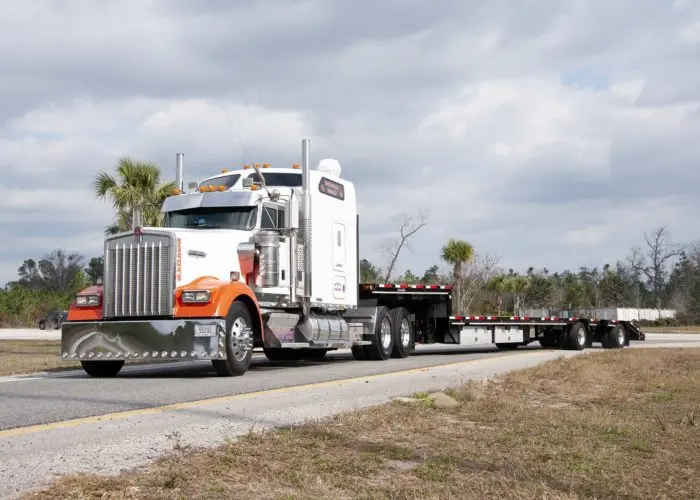
Flatbed pricing in 2026 is not for the unprepared.
According to DAT Freight & Analytics, spot flatbed rates hit $3.09 per mile in March 2026 — up 56 cents year over year. Contract flatbed rates reached $3.43 per mile, up 30 cents month over month. As of May 2026, flatbed rates have strengthened more meaningfully, with construction season, energy-sector activity, and project freight driving the segment from a slower-recovering category to one of the tighter areas of the truckload market.
For U.S. businesses that ship steel, lumber, machinery, construction materials, or industrial equipment on flatbed trailers, the difference between a spot-rate strategy and a contract-rate strategy is the difference between budget certainty and budget chaos. Here is what you need to know — and how to position your freight strategy before peak season makes the decision for you.
The Difference Between Spot and Contract Rates
Most shippers understand the basics. But the strategic implications of each approach are worth spelling out clearly.
Spot rates are priced on the open market, shipment by shipment. They fluctuate based on current supply and demand. When capacity is loose, spot rates can be cheaper than contract. When capacity tightens — as it has throughout 2026 — spot rates rise quickly and carriers gain leverage.
Contract rates
are negotiated in advance — typically for 12 months — for specific lanes and equipment types. You agree on pricing, and the carrier commits to honoring it for the duration. Contract rates provide budget predictability and protect you from sudden market spikes.
The spread between contract and spot flatbed rates is widening. Shippers with committed volume are securing capacity through dedicated arrangements that guarantee equipment availability regardless of spot market volatility. In a market where open deck tender rejections exceed 40%, having a guaranteed truck matters more than saving a few cents per mile.
Why Flatbed Is Different From Other Equipment Types
Flatbed freight does not behave like dry van or reefer. It is more seasonal, more weather-sensitive, and more tied to industrial production cycles.
Construction season, energy-sector activity, project freight, and broader capacity reductions are supporting firmer flatbed pricing, even as industrial demand remains uneven. Rate momentum is coming from a mix of seasonal demand, project-related freight, energy activity, and constrained capacity — rather than a broad industrial surge.
What this means practically is that flatbed rates spike in predictable patterns. Spring construction season tightens capacity hard from March through June. Data center construction is now a year-round demand driver that has absorbed significant open-deck capacity. Energy and infrastructure projects are active across multiple corridors simultaneously.
Shippers who wait until they need capacity to think about pricing consistently end up paying peak spot rates — exactly when contract rates would have protected them.
How to Build a Smarter Flatbed Pricing Strategy
The most effective approach is not purely spot and not purely contract. It is a deliberate segmentation of your freight based on volume, consistency, and risk tolerance.
Lock In Contracts on Your Highest-Volume Lanes
The lanes you ship most consistently — the steel that moves every week, the construction materials that run every quarter — deserve contract protection. These are the lanes where rate volatility hurts the most, because the exposure compounds across every shipment.
Contract negotiations are likely to remain measured, but carrier leverage has improved. For shippers, procurement conditions are less favorable than they were during the prior downturn. That means the time to negotiate is before the market tightens further — not after.
Use Spot Strategically for Infrequent or Variable Lanes
Not every lane deserves a contract. Freight that moves once a quarter, varies significantly in volume, or is highly sensitive to routing changes is better left for the spot market. Committing to contract rates on variable lanes creates inflexibility that can cost more than it saves.
The key is knowing which lanes are which — and being intentional about the segmentation rather than defaulting to spot on everything because it feels simpler.
Build in Fuel Surcharge Caps Where Possible
The national average flatbed fuel surcharge reached 73 cents per mile in March 2026 — a 50% increase from the 2025 baseline. Fuel surcharges are the most volatile component of any flatbed invoice. Contracts that include surcharge caps — or index the surcharge to a defined fuel price table — provide meaningful budget protection when diesel prices spike.
This is a negotiating point most shippers do not press hard enough during contract discussions. A carrier who agrees to a surcharge cap is taking on pricing risk — and that risk has real value in a volatile fuel environment.
Diversify Your Carrier Relationships
A single-carrier strategy for flatbed freight is a concentration risk. When that carrier’s capacity tightens, you have no fallback. Shippers who can flex between equipment types and who have carrier relationships across multiple specialized segments have more options when any single equipment class tightens.
Maintaining relationships with two or three reliable flatbed carriers — and a logistics partner with access to a broader network — gives you negotiating leverage and coverage options that a single-carrier strategy cannot provide.
The 2026 Window Is Closing
Flatbed pricing is no longer simply stabilizing — it is showing clearer signs of early-cycle rate momentum. Shippers who lock in contract rates now are doing so before that momentum fully translates into contract pricing resets. Shippers who wait are likely to negotiate into a tighter market at higher rates.
The flatbed market’s seasonal patterns are predictable. The window between when contracts are signed and when peak-season rates materialize is where negotiating leverage lives — and that window is narrower in 2026 than it has been in several years.
How Jansson LLC Helps U.S. Shippers Manage Flatbed Costs
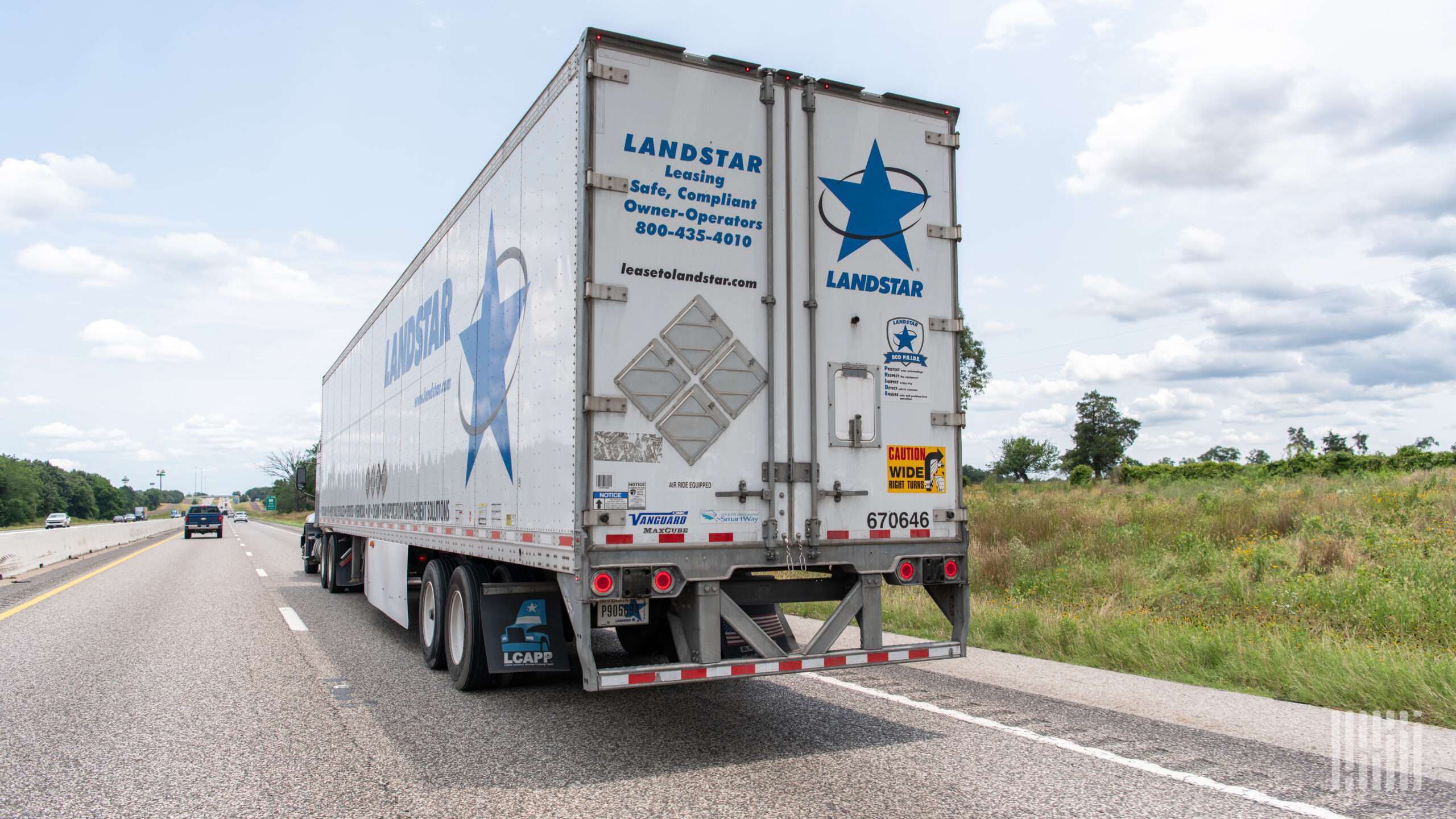
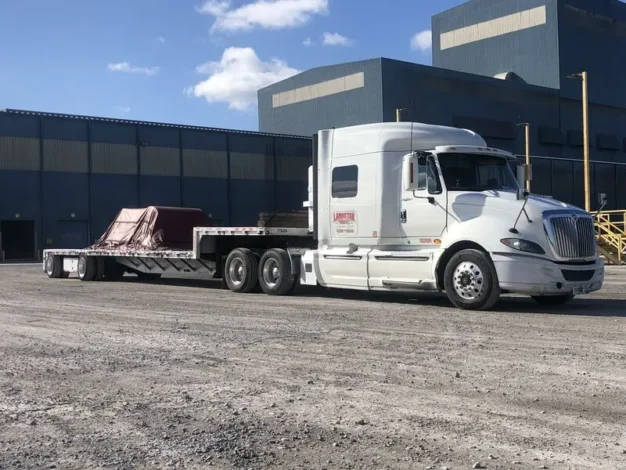
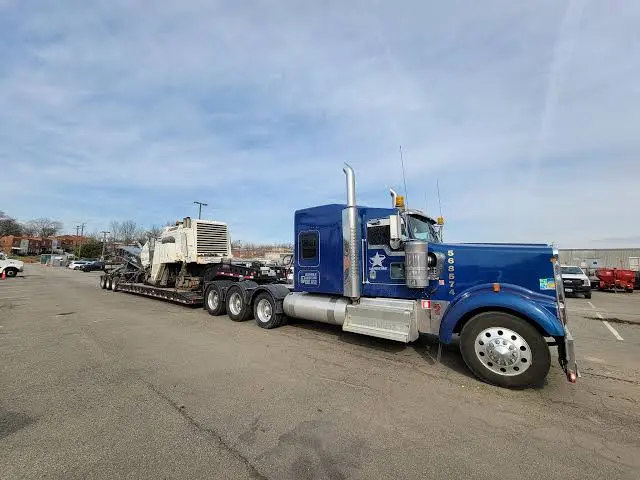
Jansson LLC is a Landstar freight agent with access to a nationwide carrier network — including experienced flatbed operators across standard 48 and 53-foot flats, step decks, RGNs, and specialized open-deck equipment across all 48 contiguous states.
Through the Landstar network, Jansson helps U.S. businesses evaluate their current lane mix, identify where contract pricing makes sense versus spot, monitor rate movements before they hit invoices, and build flatbed freight strategies that hold up even when the market gets volatile.
Contact Jansson LLC today. Let’s build the flatbed pricing strategy that keeps your costs predictable — no matter what the market does next quarter.