Most flatbed shippers know their base rate per mile. Very few know their actual landed cost per shipment — and that gap is where freight budgets quietly fall apart.
Flatbed freight averages $3.46 per mile nationally in 2026 — already above dry van rates, reflecting the specialized labor required to tarp, strap, and secure exposed cargo. But the base linehaul rate is only the starting point. Accessorial charges, tarp fees, detention, and specialized securement costs can add hundreds of dollars to a shipment before it arrives — and they almost never appear in the initial quote.
Accessorials are the most common source of rate shock for flatbed shippers. Understanding what they are, when they trigger, and how to factor them into your cost model is one of the most practical financial disciplines in freight management.
The Components That Drive Your Real Flatbed Cost
A flatbed quote and a flatbed invoice are two different documents — and the gap between them is almost always accessorials. Each component below is predictable if you know what to look for. The ones that appear as surprises are almost always the ones nobody asked about at booking.
The Base Linehaul Rate
The base linehaul rate covers the carrier’s cost of moving your freight from origin to destination. It reflects the lane, the equipment type, current market conditions, and the specialized nature of flatbed freight.
Six factors drive flatbed pricing: distance and route complexity, load specifications, seasonality, diesel fuel prices, commodity type, and accessorial fees. Mountain terrain adds 15 to 20% to base rates. Peak construction season — July through September — adds 20 to 40%. These multipliers apply to the linehaul before a single accessorial is calculated.
Contract rates typically run 15 to 25% lower than spot rates for shippers who can commit to regular volume on consistent lanes. That discount is meaningful — but it only applies to the linehaul, not to the accessorials that accumulate on top of it.
Tarp and Securement Fees
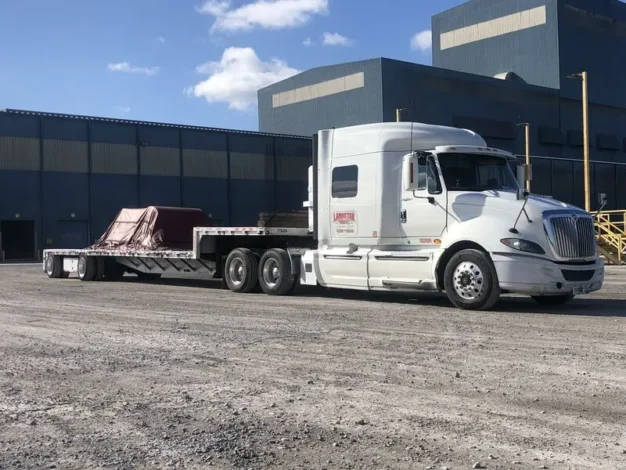
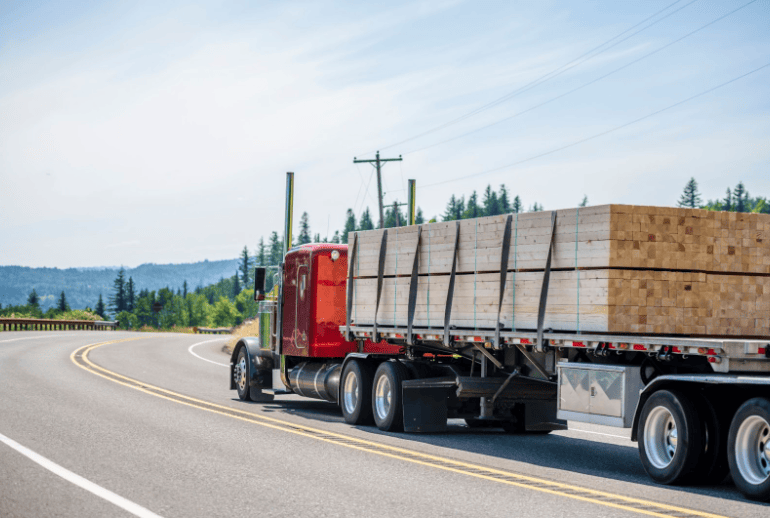
Tarp charges apply to flatbed loads where freight needs to be covered for weather protection. Tarps are heavy and time-consuming to set up, and the charge varies based on the size of the load and weather conditions.
If your cargo requires specialized blocking, structural bracing, or mandatory canvas tarping to prevent rain or road-salt corrosion, carriers assess an accessorial handling fee ranging from $100 to $600 to cover the extra manual labor.
This is a predictable charge — it is tied to known load characteristics that exist before the truck moves. It should be confirmed at booking and built into the rate confirmation before a carrier is dispatched. Shippers who discover tarp fees on the invoice because they were not declared at booking are paying the surprise price rather than the negotiated one.
Detention Charges
Detention is the fee carriers charge when a driver is held at a facility beyond the standard free time — typically two hours from arrival.
Detention ranges from $50 to $100 per hour after the free time expires. A four-hour loading process at an unorganized dock generates $100 to $200 in detention fees on a single pickup — fees that are entirely within the shipper’s control to prevent through better dock coordination and pre-staged freight.
Layover fees — charged when a driver must wait until the next day for pickup or delivery — run significantly higher. Because layovers prevent the driver from accepting other shipments, they can be costly. For flatbed and specialized equipment with higher operating costs, layover charges reflect the full opportunity cost of holding that equipment idle.
Fuel Surcharges
Fuel surcharges on flatbed freight are applied as a percentage of the linehaul rate, adjusted weekly against the Department of Energy’s national diesel price index. A standard $0.50 increase per gallon of diesel typically adds $0.08 to $0.12 per mile directly to baseline shipping costs.
On a 1,000-mile flatbed haul, a $0.50 diesel increase adds $80 to $120 to the total cost — before any accessorials. Over a year of regular flatbed shipments, fuel surcharge volatility is one of the largest sources of budget variance for shippers who model against a fixed rate assumption.
Carriers with transparent pricing structures tie their surcharge to a published index and update it on a defined schedule. Shippers who ask specifically how the surcharge is calculated — and confirm it indexes to a standard benchmark — eliminate the ambiguity that produces invoice surprises.
Permit Fees for Oversize Loads
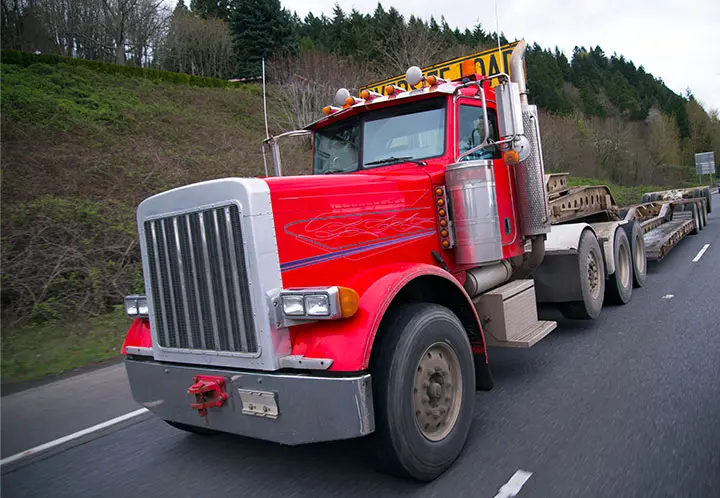
When flatbed freight exceeds standard legal dimensions — 8.5 feet wide, 13.5 feet tall, or 80,000 pounds gross — permits are required from every state the load passes through. Permit costs range from $50 to $500 or more per state depending on dimensions and weight.
On a five-state haul with an oversized load, permit costs alone can add $500 to $2,500 before a wheel turns. These are predictable costs that flow directly from the load’s dimensions — and they belong in the landed cost model before the shipment is booked, not on the invoice after it delivers.
Building the Complete Landed Cost Model
A flatbed landed cost model that only captures linehaul produces a number that underestimates actual cost by 15 to 40% on any shipment that triggers accessorials.
The correct formula: Linehaul + Fuel Surcharge + Tarp/Securement Fee + Detention + Permit Fees + Any Load-Specific Accessorials = True Landed Cost.
For high-volume flatbed shippers, running this calculation on historical invoices against each carrier’s published accessorial schedule reveals where the gap between quoted and actual cost consistently materializes — and which accessorials are most controllable through operational changes.
Pre-staged freight eliminates most detention. Accurate dimension reporting eliminates permit surprises. Declaring tarp requirements at booking eliminates surprise tarp invoices. Each operational improvement translates directly into landed cost reduction that the base rate alone can never deliver.
How Jansson LLC Helps U.S. Businesses Understand Their True Flatbed Cost
Landed cost transparency starts with a logistics partner who declares all charges upfront — not a quote that looks competitive until the invoice arrives.
Jansson LLC is a Landstar freight agent with access to a nationwide carrier network — including experienced flatbed operators who provide transparent, itemized pricing across linehaul, fuel surcharge, tarp requirements, and applicable accessorials before the truck is dispatched.
Through the Landstar network, Jansson helps U.S. businesses build accurate landed cost models for their flatbed lanes, identify which accessorials are generating the most invoice variance, and develop carrier relationships that reduce surprise charges through clear upfront communication.
Contact Jansson LLC today. Let’s build the full cost picture for your flatbed freight — so your budget reflects what you actually pay, not just what was quoted.