Flatbed trucking is one of the most physically demanding and highly skilled segments of the transportation industry. And it has one of the tightest driver pools in commercial freight.
The American Trucking Associations puts the 2026 U.S. driver shortage at approximately 82,000 — with flatbed and heavy haul among the hardest-hit segments. Annual turnover rates at large truckload carriers hover around 90 to 95%. Retirements are outpacing new CDL entrants by roughly 2 to 1, and the median driver age sits at 57.
For shippers and logistics operators who depend on flatbed capacity, this is not a background industry story. It affects what you pay, when your freight moves, and which carriers have the equipment and experience to handle your loads safely.
Understanding why flatbed driver retention is so difficult — and what separates carriers who solve it from those who do not — is essential context for anyone building a flatbed freight strategy in 2026.
Why Flatbed Is Harder Than Dry Van
The physical demands of flatbed work go far beyond sitting behind the wheel.
Tarping Is Labor-Intensive and Physically Punishing
Throwing and rolling tarps in wind and rain, chaining and binding steel, climbing on loads — all of these requirements narrow the labor pool considerably.
A standard tarp for flatbed freight weighs 100 to 200 pounds. Throwing it over a load requires climbing onto the trailer, unfolding the tarp, spreading it across the cargo, and securing it at every anchor point — often in weather conditions that make the physical work significantly harder. A driver running multiple loads per day performs this process repeatedly, in all seasons, without mechanical assistance.
In winter, tarps freeze and stiffen. In summer, working on top of a sun-baked metal trailer in direct heat creates genuine heat stress risk. These physical realities are why flatbed drivers earn a $0.75 to $0.85 per mile rate — a meaningful premium over the $0.66 national median for OTR drivers — and why the pool of drivers willing and able to do this work consistently is significantly smaller than the general CDL holder population.
Securement Is a Skilled Legal Obligation
Flatbed securement is not just a physical task. It is a legally consequential skill where the driver is personally responsible for meeting cargo securement requirements on every load.
Under FMCSA 49 CFR Part 393, the driver is responsible for the securement system — not the shipper, not the broker, not the carrier dispatcher. A shifted load that causes an accident creates personal liability exposure for the driver that does not exist in the same way for a dry van operator.
That legal weight, combined with the technical complexity of securement for steel, machinery, lumber, coils, and oversized freight, requires a level of knowledge and judgment that takes time to develop. Experienced flatbed drivers who have mastered these requirements are not easily or quickly replaced.
Multi-Stop Complexity and Dock Challenges
Flatbed freight rarely delivers to modern facilities with level docks and forklifts staged and ready. It delivers to construction sites — classified as limited-access locations by carriers — manufacturing facilities, job yards, and project locations where unloading conditions are unpredictable.
When a driver leaves flatbed for a local delivery job, that specialized capacity cannot be replaced quickly. Specialized loads in 2026 command 20 to 30% premiums over standard dry van rates in part because of this constraint — and those premiums ultimately reflect the cost of the specialized driver who makes the move possible.
What Separates High-Retention Flatbed Carriers
Carriers gaining ground on retention in 2026 share three operational characteristics.
Pay That Acknowledges the Full Scope of the Work
Competitive flatbed retention requires pay structures that acknowledge what flatbed drivers actually do — not just miles driven, but tarping time, securement time, permit coordination, and the skill premium that specialized freight commands.
Some carriers pay per mile. Others pay a percentage of linehaul revenue. High-retention carriers typically add tarp pay per load, oversized load premiums, and accessorial-based compensation that ensures drivers are paid for every hour of work the load requires — not just the driving time.
Drivers who feel their pay reflects the full difficulty of the work are significantly less likely to leave for a less demanding driving job at comparable or slightly lower pay.
Predictable Freight and Direct Shipper Relationships
Irregular freight — loads that vary widely in commodity, securement complexity, and delivery conditions — creates inconsistent earnings and unpredictable workdays that accelerate driver fatigue and dissatisfaction.
Many small carriers are responding to the retention problem by emphasizing what they can offer: more home time, better routes, and direct-shipper relationships that large carriers often cannot match. A flatbed driver who knows what freight they are hauling, on consistent lanes, with reliable loading and unloading conditions, experiences fundamentally different job satisfaction than one who faces a different challenge on every pickup.
Equipment That Reduces Physical Strain
Newer trailer designs — improved tarp systems, better anchor points, ergonomic climbing access — reduce the physical toll of securement work over a long career. Carriers who invest in equipment quality signal to experienced drivers that their physical longevity matters to the operation.
This investment is not altruistic. A driver who leaves because their body cannot sustain the physical demands of substandard equipment is a retention failure that costs significantly more than the equipment upgrade would have.
Why This Matters for Shippers
Every flatbed driver who leaves the industry tightens the available capacity pool that you compete in when you need to move steel, machinery, building materials, or oversize freight.
Shippers who work with carriers that have solved their retention problem get consistent access to experienced drivers who know how to handle their freight. Shippers who default to the lowest-cost carrier in a tight market get the capacity that remains after better-retained fleets have filled their loads — and they absorb the service variability that comes with it.
How Jansson LLC Helps U.S. Businesses Access Quality Flatbed Capacity
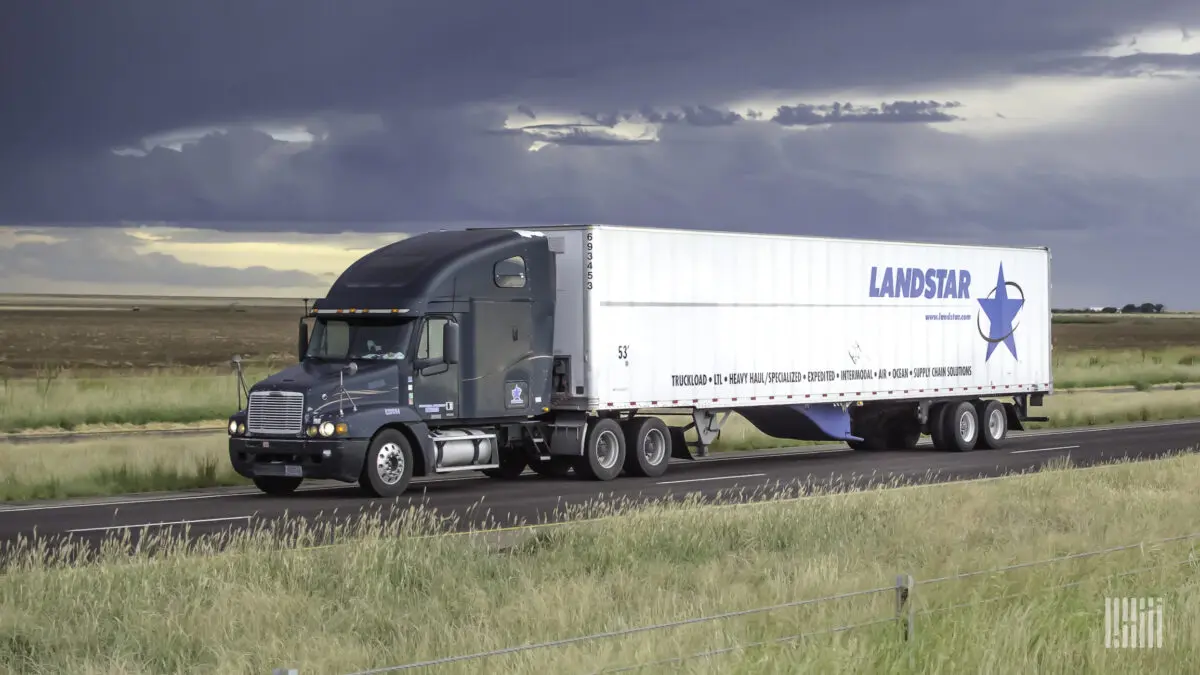
The flatbed driver retention problem is a structural market condition that individual shippers cannot solve. What they can do is work with a logistics partner who has access to the carrier relationships that provide consistent, experienced flatbed capacity regardless of broader market tightness.
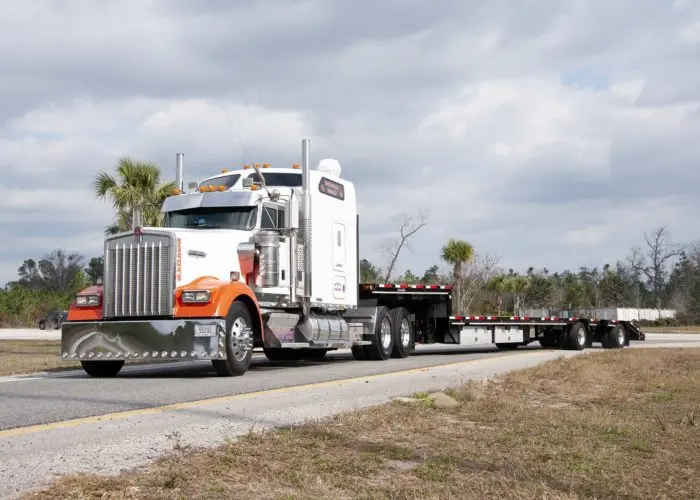
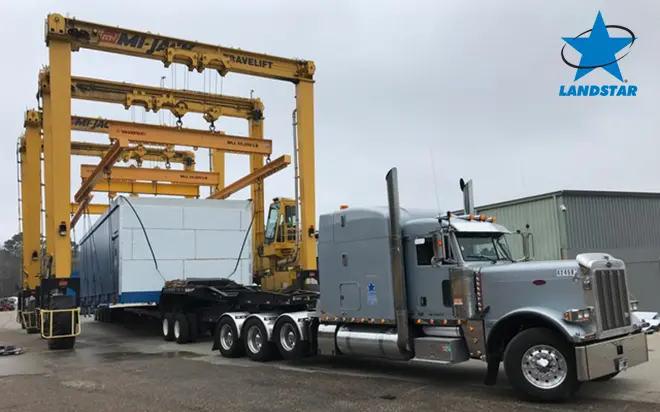
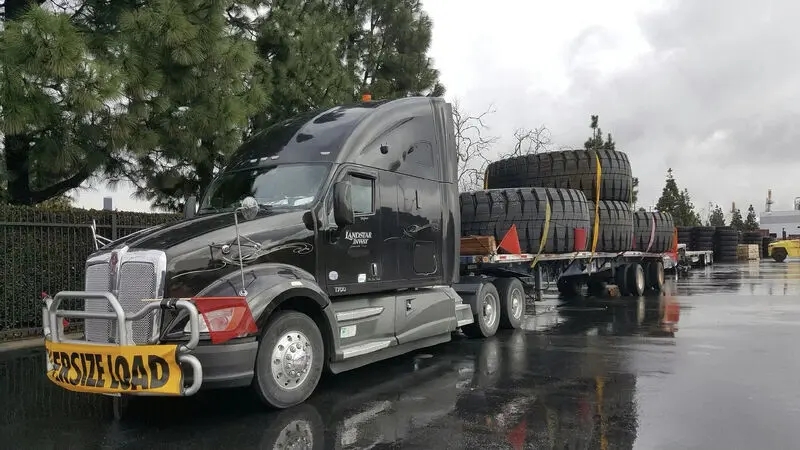
Jansson LLC is a Landstar freight agent with access to a nationwide carrier network — including experienced flatbed operators across standard 48 and 53-foot flats, step decks, RGNs, and heavy haul configurations across all 48 contiguous states.
Contact Jansson LLC today. Let’s make sure your flatbed freight is moving with experienced carriers — regardless of what the driver market looks like next quarter.