The transpacific ocean freight market experienced an unusually early and aggressive peak season in 2026 — with rates climbing rapidly and capacity tightening across major trade lanes before most importers had begun their peak season planning.
Peak Season Surcharges of up to $2,000 per FEU were already in effect across several trade lanes by June 2026. General Rate Increases of $300 to $1,000 per container followed. And cargo rolled from vessels — bumped to a later sailing because space had already been committed — became a routine frustration for shippers who had not secured allocations in advance.
The importers who came through peak season 2026 without material disruption were not the ones with the biggest freight budgets. They were the ones who booked earliest, locked in allocations in writing, and built enough buffer into their delivery timelines to absorb the schedule slippage that peak season reliably produces.
Here is the planning framework that protects your peak season — regardless of what the market does next.
What Peak Season Actually Looks Like in 2026
Ocean freight peak season for transpacific and Asia-Europe trade runs August through October — when pre-holiday inventory builds push ships toward capacity. A shorter secondary peak hits before Chinese New Year in January to February.
Peak season rates run 40 to 80% higher than off-peak rates. As of mid-2026, a 40-foot container from China to the U.S. West Coast runs $3,000 to $5,500. To the U.S. East Coast, $4,200 to $7,200. Those ranges widen significantly during peak — and they widen fastest for shippers who are trying to book after capacity has already been committed to shippers who planned ahead.
Beyond the rate itself, two other cost categories escalate during peak season that many importers do not budget for in advance.
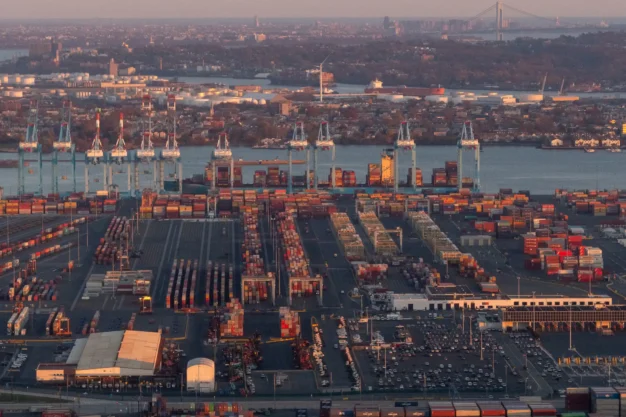
Peak congestion charges of $250 to $500 per container apply at ports like Los Angeles and Long Beach during Q3 and Q4. And schedule reliability drops — rolled bookings, blank sailings around Golden Week, and slower transits are normal peak season behavior. Demurrage runs $150 to $350 per day after three to five free days. If your cargo sits at a congested terminal during peak season, that meter runs regardless of your rate agreement.
Why Equipment Availability Is Now as Important as Rate
The key challenge for shippers is no longer only finding the lowest rate. Reliable space, equipment availability, and schedule stability are becoming equally important.
Equipment — specifically 40-foot containers — becomes constrained independently of vessel space during peak season. A booking confirmation that allocates vessel space does not automatically guarantee that a container will be available at your supplier’s location on the date you need it.
Container shortages at inland depots, repositioning delays as boxes cycle back from destination ports, and carrier preference for equipment to their highest-volume lanes all affect equipment availability for smaller or less-established shippers during peak.
Securing both vessel space and equipment confirmation — in writing, not just quoted — before peak season begins is what separates a shipment that moves as planned from one that gets pushed two weeks while you wait for a box.
The Planning Framework That Works
None of these steps require a bigger freight budget. They require earlier decisions — and the discipline to make those decisions before the market makes them for you. Here is the framework that consistently outperforms reactive peak season booking.
Book 4 to 6 Weeks Before Cargo-Ready Date
During peak season, the standard 2 to 3-week booking lead time that works during slack months is not sufficient. Book 4 to 6 weeks ahead of your cargo-ready date. Early bookings hold space and often price better too — because carriers reward volume commitment with space allocation before the peak rush drives spot rates higher.
Get Space Confirmed in Writing
A verbal allocation or a rate quote is not a booking confirmation. During peak season, carriers manage allocations actively — and verbal commitments do not hold when space becomes genuinely scarce.
Get written confirmation of vessel space, equipment availability, and port of loading before treating a booking as secured.
Build Buffer Into Your Delivery Promises
Rolled bookings, blank sailings around Golden Week, and slower transit are normal peak behavior. Build buffer into your delivery promises to customers.
A shipment that you plan to move in four weeks during peak season should be promised to your customer in five or six weeks. The cost of the buffer is the difference between a manageable schedule slip and a customer relationship crisis.
Lock In Contracts During the Slack Season
The slack season — roughly March through June — brings the softest rates of the year. It is also the window when carriers are most receptive to negotiating contract rates that provide price stability and space commitments through peak.
Many shippers are adopting hybrid strategies in 2026 — combining long-term contracts for stability on their highest-volume lanes with spot bookings for flexibility on variable lanes. This approach protects against peak season rate spikes while maintaining the agility to respond to demand fluctuations.
Monitor for Surcharge Announcements
Carriers announce General Rate Increases and Peak Season Surcharges on relatively short notice — often 10 to 30 days ahead of the effective date. Shippers who are monitoring carrier announcements can time bookings to get ahead of surcharge implementation. Shippers who are not monitoring will pay the higher rate on the next booking without realizing the increase was announced in advance.
How Jansson LLC Helps U.S. Businesses Navigate Peak Season
Peak season planning is not just about finding space — it is about having the carrier relationships and market visibility to secure that space before it becomes scarce.
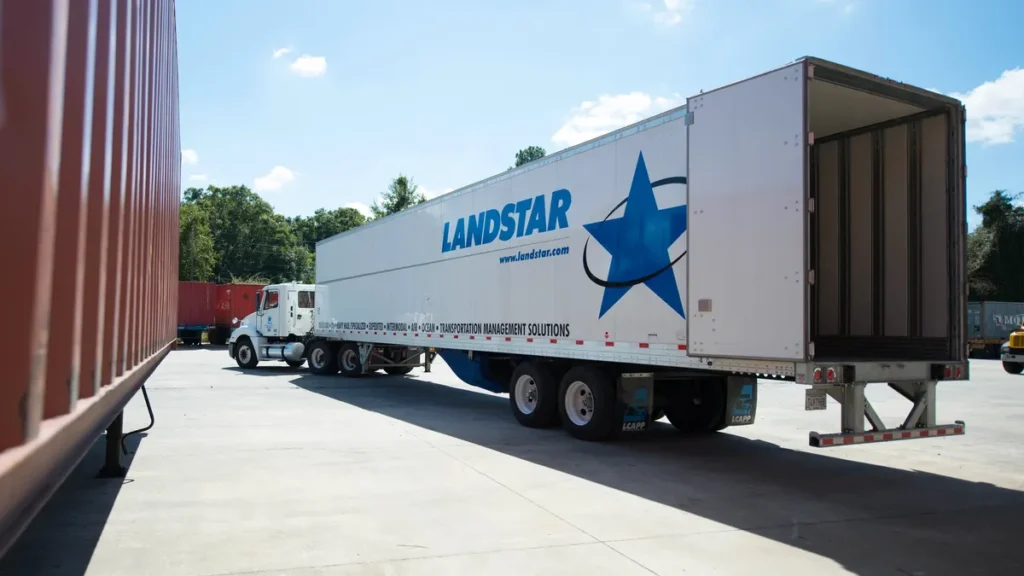
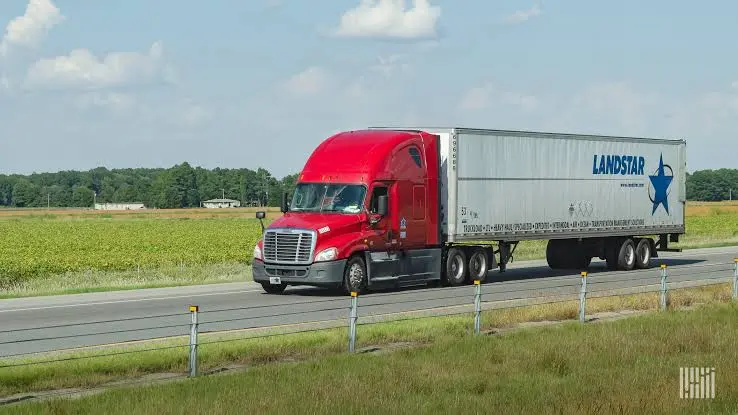
Jansson LLC is a Landstar freight agent with access to a nationwide carrier network — including experienced international freight operators who understand transpacific and cross-border routing, container equipment coordination, and the logistics planning that keeps shipments moving on schedule through the most congested periods of the year.
Contact Jansson LLC today. Let’s build the peak season freight strategy that secures your space and equipment — before the rush makes both harder to find.