If your business imports dangerous goods by ocean freight — chemicals, batteries, flammable liquids, industrial gases, or any of hundreds of other regulated materials — the regulatory framework governing those shipments changed significantly on January 1, 2026.
The International Maritime Dangerous Goods Code Amendment 42-24, adopted by the International Maritime Organization, became mandatory on January 1, 2026. This is not a minor update. It introduces new UN numbers, stricter stowage requirements, enhanced documentation standards, and specific new provisions for lithium batteries, sodium-ion batteries, and carbon materials that affect shippers across multiple industries.
If your dangerous goods imports were compliant under the previous edition, they may not be compliant now. And under the IMDG Code, the legal burden for compliance falls on the shipper — not the freight forwarder, not the carrier.
What the IMDG Code Actually Is
The IMDG Code is the international standard governing the transport of dangerous goods in packaged form by sea. It was developed by the International Maritime Organization and implemented under the International Convention for the Safety of Life at Sea — the foundational maritime safety treaty to which virtually every major shipping nation is a party.
The IMDG Code provides classification of hazardous materials into nine major classes — explosives, gases, flammable liquids, flammable solids, oxidizers, toxic substances, radioactive materials, corrosives, and miscellaneous dangerous goods. Every dangerous substance or article transported by sea in packaged form falls into one of these nine hazard classes.
That classification drives everything downstream — packaging specifications, marking and labeling requirements, stowage position on the vessel, segregation from incompatible cargoes, and emergency response procedures. Treating classification as a formality rather than a technical determination is where the compliance chain first breaks.
What Amendment 42-24 Changed
The IMO updates the IMDG Code every two years. Amendment 42-24 reflects accumulated operational data, incident reports, and emerging technologies — and several of its changes represent fundamental shifts in how specific cargo types must be handled.
Lithium and Sodium-Ion Batteries
Battery-related provisions received the most significant update in Amendment 42-24. Stricter stowage categories, new UN numbers for sodium-ion batteries — a technology that was not fully addressed in the prior edition — and enhanced documentation requirements now apply to all battery shipments.
For importers of electronics, electric vehicles, energy storage equipment, and battery-powered industrial machinery, this update requires a complete review of current shipping procedures. Classification of battery shipments that complied with the previous edition may need to be revised against the new UN numbers and stowage requirements.
Carbon Materials
Carbon — including activated carbon, carbon black, and related materials — now falls under Class 4 stowage and handling provisions with specific fire prevention and ventilation requirements. This change stems directly from multiple self-heating incidents that endangered crews and vessels under the prior framework.
Shippers of carbon materials who have not reviewed their classification against the new provisions are operating with an outdated compliance posture.
Water-Reactive Substances
A new stowage code — SW31 — requires specific substances that emit flammable gases when in contact with water to maintain safe distances from ignition sources. This is a new operational requirement that did not exist under the prior edition.
Documentation Standards
New Section 5.4.4.2 requires that goods granted exemptions include corresponding exemption certificates in the shipping documentation. A Dangerous Goods Declaration that omits required information or uses trade names instead of the Proper Shipping Name faces rejection at port, financial penalties, and potential criminal liability.
Where the Compliance Risk Lives for U.S. Importers
U.S. importers need to understand how the IMDG Code interacts with domestic U.S. regulations.
The IMDG Code governs the ocean portion of an international shipment — from the origin port to the U.S. port of entry. The U.S. Department of Transportation’s Hazardous Materials Regulations under 49 CFR govern the domestic portion. The two frameworks are not identical. A material classified correctly under the IMDG Code for the ocean leg must also be handled correctly under 49 CFR for the domestic land leg.
Under rules like FOB, FCA, CFR, or CIF, the ISF importer is usually the U.S. buyer — meaning the U.S. importer is responsible for the accuracy of the dangerous goods documentation even when the foreign supplier prepared it. If a Dangerous Goods Declaration contains errors, the legal exposure falls on the shipper of record.
U.S. Customs and Border Protection is increasing scrutiny of dangerous goods declarations at U.S. ports of entry as part of the broader post-2025 trade enforcement environment. A misdeclared or inadequately documented dangerous goods shipment can trigger CBP holds, port authority inspections, and penalty proceedings that dwarf the cost of proper compliance preparation.
The Training Obligation
Compliance is not just about documentation. The IMDG Code requires that shore-based personnel involved in dangerous goods shipments receive adequate training. Every shipment handled by untrained personnel carries compliance risk — and the employer is liable for ensuring training records are available to the competent authority on request.
Using an outdated edition of the IMDG Code aboard a vessel or at a shore facility is itself a compliance deficiency — a pattern that port state control inspectors encounter more often than it should occur.
How Jansson LLC Helps U.S. Businesses Navigate International Dangerous Goods Compliance
IMDG Code compliance starts with accurate classification and documentation — but the logistics coordination that follows is equally important in keeping dangerous goods shipments moving without port holds, carrier rejections, or enforcement actions.
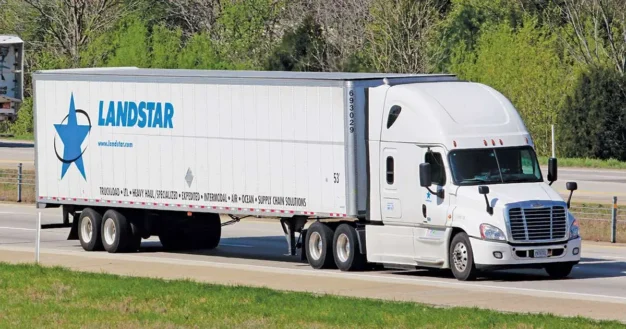
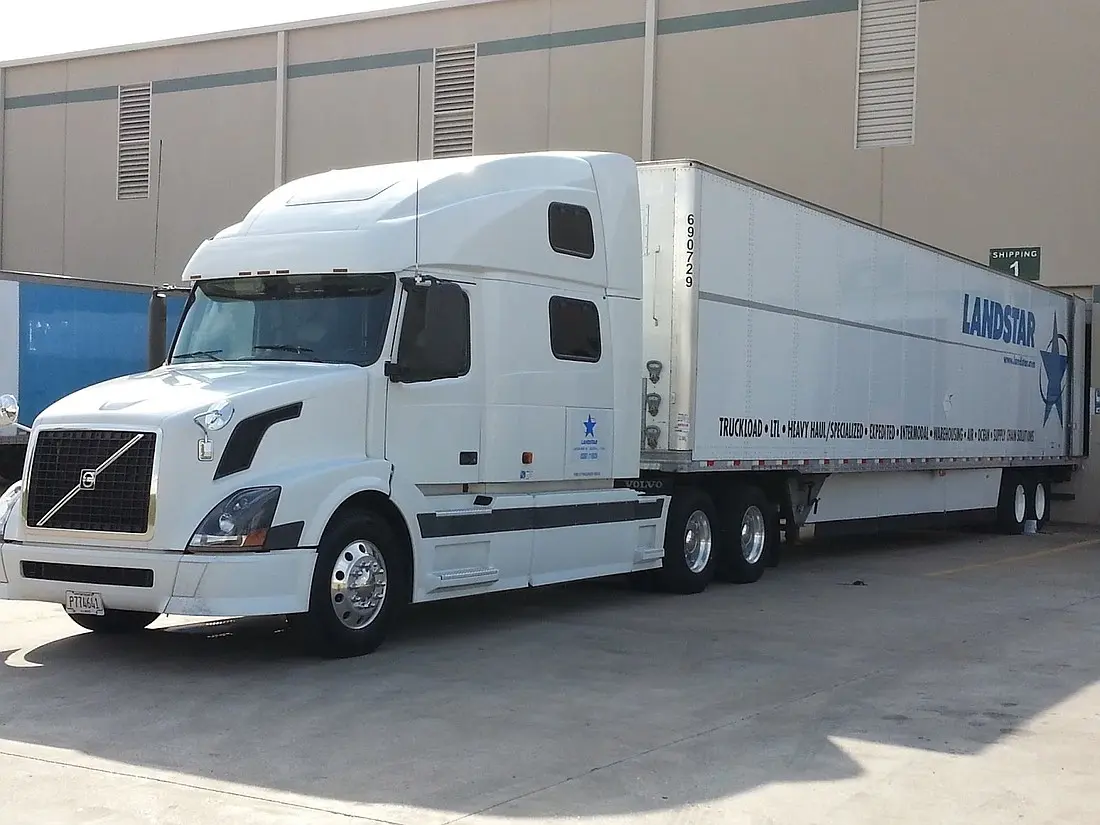
Jansson LLC is a Landstar freight agent with access to a nationwide carrier network — including experienced international freight operators who understand IMDG Code requirements, CBP documentation standards, and the cross-border logistics coordination that keeps dangerous goods shipments compliant from origin to final destination.
Contact Jansson LLC today. Let’s make sure your dangerous goods imports are moving under current IMDG Code standards — and arriving without compliance surprises at the port.