Following federal placard rules keeps your freight moving without sudden highway stops. Knowing official placard rules also shields your company from heavy fines during road checks.
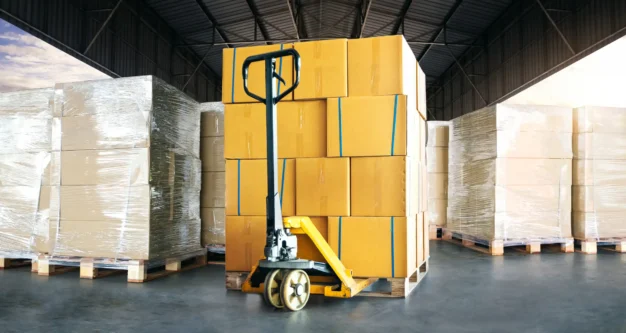
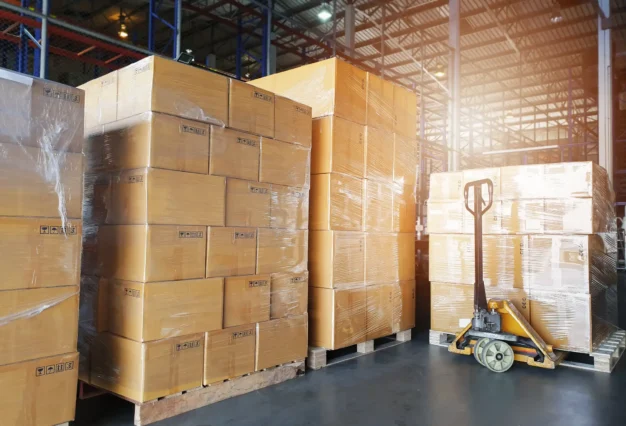
Loading mixed chemical pallets onto one truck often confuses dock crews. Warning signs on the outside of your truck protect first responders during highway crashes.
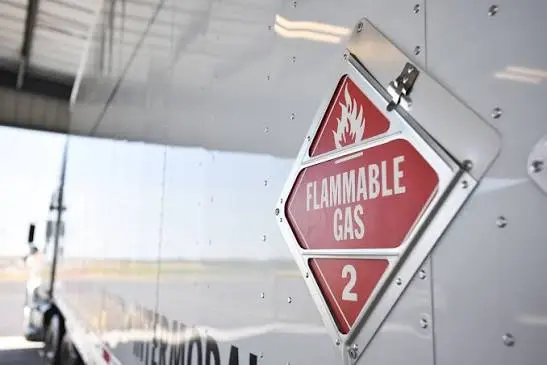
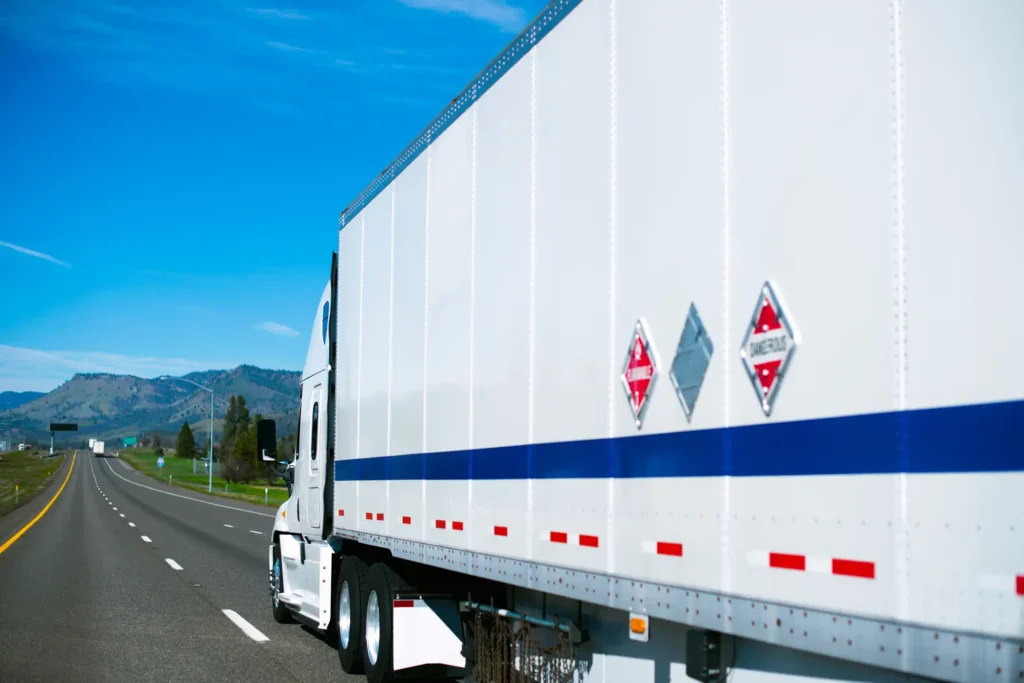
Diamond signs tell rescue crews what chemicals are inside before they open trailer doors.
Safe shipping takes teamwork between warehouse staff and drivers.
Shippers must sort goods correctly and supply warning signs at pickup. Drivers must check that those symbols match the freight bill before hitting the road.
Obeying clear placard rules ensures your freight stays safe across every state line.
How Much Hazmat Requires a Placard?
Dock workers often ask how much hazmat requires a placard when packing mixed orders. The exact weight trigger depends on the danger level of your chemical goods.
The Any-Quantity Rule for Severe Risks
Certain deadly materials require diamond warning signs no matter how small the box is.
Even a tiny package of high explosives triggers mandatory signs on the truck. Poison gases and water-reactive solids also fall under this strict rule.
Regulators give no weight breaks for items that bring extreme danger to the public. If your cargo carries severe risks, you must display warning signs right away.
The Thousand-Pound Rule for Common Goods
Common chemicals follow a different weight rule under federal law. Flammable liquids, battery acid, and compressed gases need no signs if their combined weight stays under 1,001 pounds.
Once total weight reaches 1,001 pounds, warning signs become mandatory.
Understanding common placard rules keeps your team from posting signs on light, exempt loads.
How Do Shippers Read a Hazmat Placards Chart?
Every shipping room should keep an official hazmat placarding guide near the packing desk. Consulting a clear hazmat placards chart helps your team pick the right placard for every load.
Checking Table 1 for High-Hazard Materials
Federal DOT regulations divide hazardous materials into two lists.
Table 1 covers the highest-risk materials shipped on U.S. highways, including explosives, dangerous-when-wet materials, poison inhalation hazards, and Radioactive Yellow III packages.
These high-hazard items always require their specific placards in any quantity, no matter how light the load.
Shippers can never substitute a general DANGEROUS placard for Table 1 cargo.
Reviewing Table 2 for Everyday Chemicals
Table 2 lists common industrial materials like flammable paints, cleaning fluids, and corrosive acids. Most daily chemical shipments fall under Table 2 rules.
When shipped in non-bulk packages (like boxes or drums), Table 2 goods only require placards once the combined gross weight reaches 1,001 pounds or more.
Checking each hazard class on the chart prevents costly dock mistakes and compliance delays.
When Can You Use the DANGEROUS Placard?
Mixed pallet orders can often use one general DANGEROUS placard instead of multiple individual hazard placards.
Meeting U.S. Department of Transportation (DOT) placarding rules lets carriers post one red-and-white diamond placard that covers several risks at once.
The Four Rules for Mixed Non-Bulk Freight
Using the DANGEROUS placard makes mixed-load shipping much simpler, provided your shipment meets these conditions:
- Non-bulk packaging only. All hazardous materials must be in non-bulk packages like drums, boxes, or jerricans.
- Two or more Table 2 hazard classes. The shipment must contain at least two different hazard categories from DOT Table 2 with a combined aggregate gross weight of 1,001 pounds or more.
- U.S. domestic ground transport. This option applies to domestic highway and rail shipments within the United States (international air and ocean rules do not recognize this placard).
- Separate placards for Table 1 goods. If the load also contains any Table 1 hazardous materials, those must be placarded separately at any quantity, though the DANGEROUS placard can still cover two or more mixed Table 2 classes on the same truck.
The 2,205-Pound Single-Class Limit
The DANGEROUS placard has a strict weight limit that shippers must track.
You must post a specific hazard placard if you load 2,205 pounds (1,000 kg) or more aggregate gross weight of a single Table 2 category at one loading facility.
For example, loading 3,000 pounds of flammable paint (Class 3) alongside 500 pounds of corrosive acid (Class 8) and 600 pounds of toxic solids (Division 6.1) requires a specific FLAMMABLE placard for the paint.
Meanwhile, a DANGEROUS placard can still cover the remaining acid and toxic materials. Obeying these limits keeps your shipping papers and vehicle placards compliant.
How Many Placards Are Required When Transporting Hazmat?
Drivers and dock teams frequently ask how many placards are required when transporting hazmat on public roads.
The standard legal answer across the trucking industry is four matching signs per vehicle.
Four Matching Signs on Every Vehicle
Federal placard rules and regulations demand that every marked truck display four matching signs.
One sign must go on the front of the truck cab or trailer. Another sign must sit on the rear bumper or back door.
Two more signs must be mounted on the left and right exterior walls. Having four visible signs ensures observers can spot chemical dangers from any angle.
Special Rules for Intermodal Containers
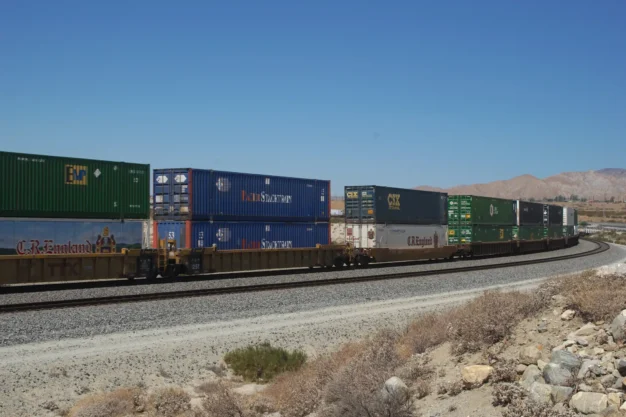
Big cargo tanks and shipping containers follow the same four-corner rule. Crews must apply signs to both ends and both sides of the box before lifting it onto a chassis.
Leaving off one sign invites quick state trooper inspections and heavy fines. Using four signs keeps freight safe on highways and rail yards.
Where Must Hazmat Placards Be Placed?
Dock workers must know where hazmat placards must be placed to ensure complete road visibility.
Sticking a sign in the wrong spot can lead to failed roadside checks.
Flat Exterior Walls with Clear Sight lines
Signs must be mounted flat against the outer wall of the truck or trailer. Regulators require signs to sit at least three inches away from other markings.
Placing symbols high on trailer walls ensures passing drivers and rescue teams can spot them easily.
Clean surfaces keep signs secure against wind, rain, and road dirt.
Keeping Signs Away from Doors and Ladders
Mounting frames must stay clear of roll-up door tracks, ladders, and tailpipes. Tarps, straps, and door handles must never block any part of the diamond sign.
Drivers must clean signs right away if dirt or road salt covers them during a trip.
Clear views allow rescue crews to read chemical classes from safe distances.
How Does Jansson LLC Help Shippers Manage Hazmat Placard Rules?
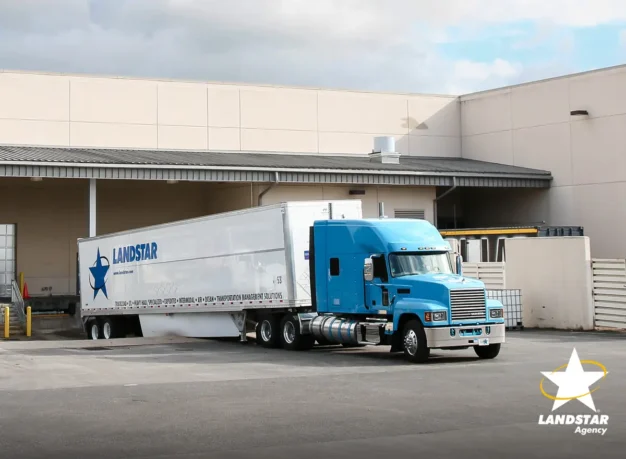
Following hazmat rules for placarding is easier with a skilled freight partner.
Working with Jansson LLC gives your team the guidance needed to navigate complex hazmat shipping lanes.
Certified Carrier Networks Through Landstar
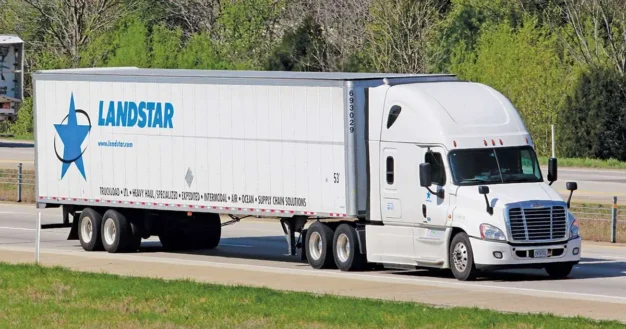
As an authorized Landstar freight agent, we connect your firm with vetted, hazmat-certified trucking fleets.
We confirm that every driver holds current permits and carries the right signs in their truck cab.
Our specialists review your cargo weight, hazard classes, and packaging before dispatch. Having an expert guide prevents roadside confusion and stops costly delays.
Proactive Guidance for Total Road Compliance
Knowing current placarding requirements guards your budget and good name. Our freight team audits your bills of lading to ensure every chemical class matches truck markings.
We help your dock crews choose between specific hazard signs and general warning signs for mixed loads.
Share your chemical cargo details with our dispatch team today to keep every load safe, smooth, and ticket-free.