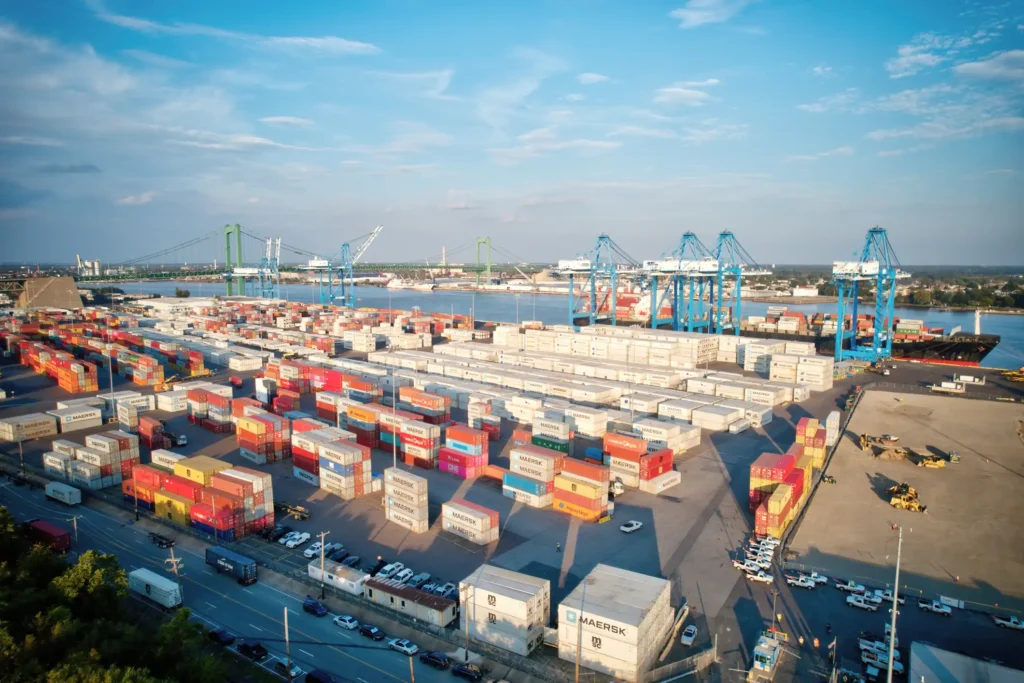
Choosing an international freight partner is one of the biggest calls a growing shipper makes.
A weak pick can stall your orders and upset buyers, while a strong partner keeps your global supply chain steady.
Cargo, customs forms, and strict port dates all pass through their hands every single week.
Asking eight simple questions before you sign anything shows you who can truly handle the job.
Several freight firms share buyer guides with similar tips. Adding official government checks you can run yourself helps you spot red flags early and protect your budget.
Who Is an International Freight Forwarder?
Before checking credentials, it helps to know how the main players divide the work in international shipping.
An international freight forwarder plans and coordinates the movement of goods across borders on behalf of shippers.
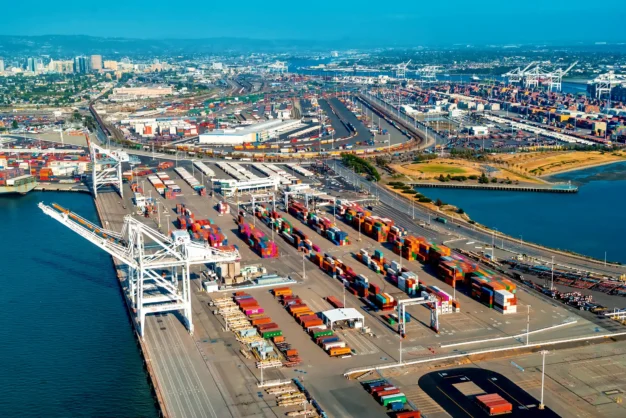
Rather than owning the ocean ships or cargo planes themselves, forwarders book cargo space, arrange container handling, and coordinate hand-offs between busy ports.
Why Vetting Forwarders Matters So Much
Working with a trusted international freight partner ties all those moving pieces together.
However, forwarders do not always handle every step alone.
Customs filing often goes to a licensed customs broker, while U.S. road miles go to domestic truckers.
Because your money and buyer trust ride on smooth hand-offs, checking a forwarder’s track record before shipping saves huge headaches later.
Which Four Questions Check Credentials and Cargo Fit?
Start your review with basic legal checks and real lane experience.
Credentials alone do not guarantee great service, yet they prove a company follows federal rules before you trust an international freight partner with your goods.
1. Are You Licensed and Bonded?
For ocean shipments, the Federal Maritime Commission (FMC) licenses U.S. ocean freight forwarders and non-vessel-operating common carriers, known as NVOCCs.
Official FMC rules require bonds of $50,000 for licensed ocean freight forwarders and $75,000 for U.S.-based NVOCCs.
Look up the company in the public FMC database yourself rather than trusting a badge on a website.
(If you ship by air, check for TSA Indirect Air Carrier approval or IATA/CNS accreditation instead.)
2. Who Handles Customs Filing?
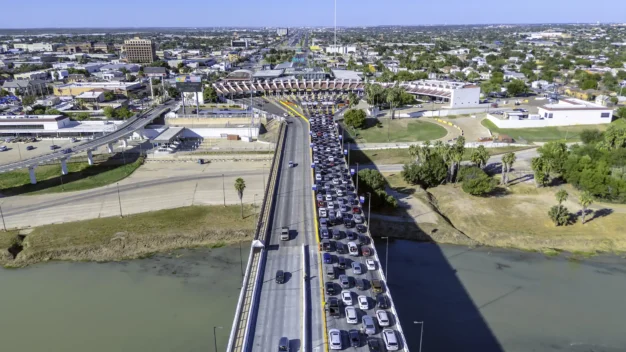
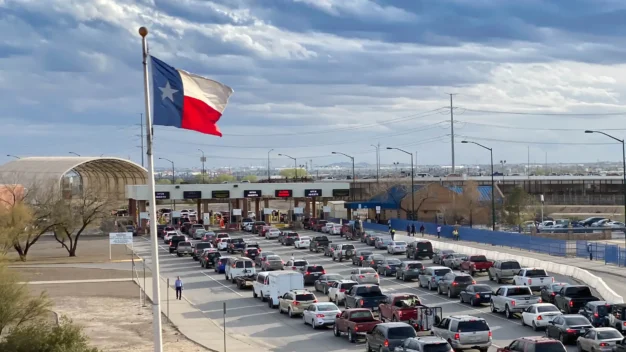
Missing customs forms can hold a container at the port for days.
Ask if the forwarder files customs entries in-house or passes that task to an outside partner.
Since Customs and Border Protection licenses customs brokers, ask for the broker’s name and check their license directly.
3. Which Lanes and Cargo Do You Know Best?
A forwarder that shines on Asian ocean lanes may struggle on European air cargo.
Request real examples of shipments that match your exact product type, route, and monthly volume. Concrete stories prove real experience far better than a long list of countries.
4. Who Will Be My Day-to-Day Contact?
Not knowing who owns a problem ranks among the top frustrations for busy shippers.
Ask for one named contact plus a clear backup person. Having a dedicated rep means you never repeat your company story from scratch every time you call.
What Four Questions Test Pricing, Updates, and Risk?
Once a company passes your license and lane checks, look closely at daily communication and cost clarity.
Asking four more questions shows how a strong international freight partner handles updates, hidden fees, and tough days on the road.
5. How Do You Share Updates?
Late surprises hurt your buyer relationships most.
Find out what live tracking tools you will see and how often your rep will check in by phone or email.
Real-time software helps, yet a human voice still matters most on a tough day.
Agreeing on set update times before your first load moves keeps everyone on the same page.
6. What Does Your Quote Include?
A rock-bottom base rate often hides steep add-on charges.
Ask for every fee in writing—including handling, fuel, and port storage—so you can compare quotes line by line.
Comparing every line lets you judge the full cost rather than just the headline number.
7. What Are Your Liability Limits and Insurance Options?
Even great freight teams face storms, accidents, and port damage from time to time.
Check how much the forwarder pays if goods get lost or damaged, since standard limits often sit far below your cargo’s real value.
Ask whether you need separate cargo insurance and who arranges that policy.
8. How Do the Domestic and International Legs Connect?
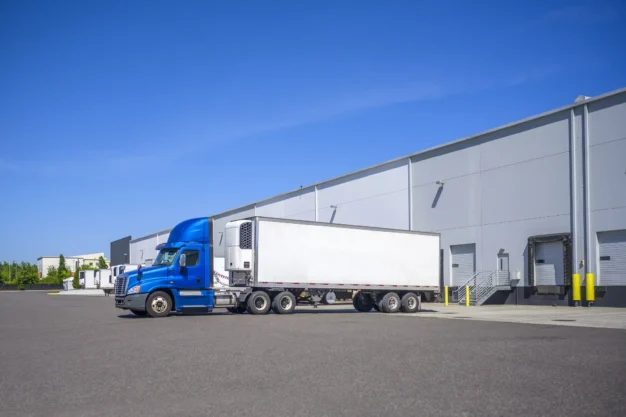
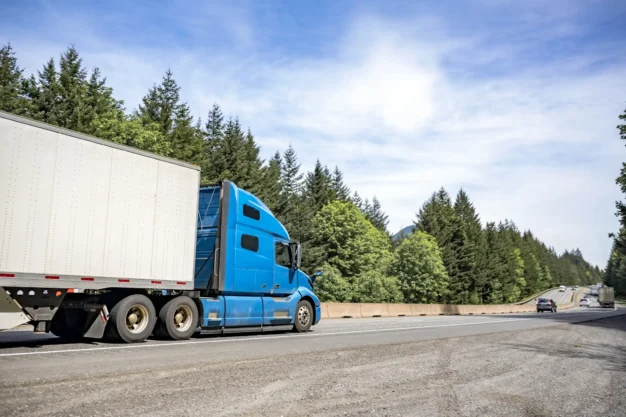
Your cargo travels across U.S. highways before or after crossing an ocean or border.
One missed truck pickup at your dock can ripple through the whole schedule and miss a ship cutoff.
Ask who books the domestic trucks and how they confirm port cutoff dates.
Why Choose Jansson LLC as Your International Freight Partner?
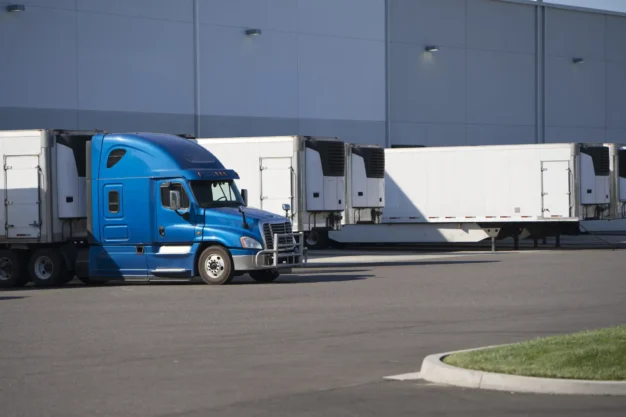
Many importers and exporters use a forwarder for the overseas leg and a separate partner for trucking at home.
Pairing your international freight partner with reliable U.S. road capacity makes answering question eight simple.
Dedicated Domestic Trucking Backed by Nationwide Reach
As an independent Landstar freight agent, Jansson LLC gives shippers direct access to a nationwide carrier network.
Our team lines up vetted carriers for the U.S. trucking side of your freight without replacing your forwarder or customs broker.
You get one steady contact who knows your loads, tracks your cutoff dates, and keeps your domestic leg running smoothly.
Smooth Planning for Weekly or Seasonal Shipments
Strong U.S. highway execution keeps your containers moving on time from your loading dock to the port gate.
Whether you ship overseas every week or only a few times a year, we help you plan each move with fewer surprises.
Talk with Jansson LLC today to review your domestic lanes and protect your global supply chain from missed port cutoffs!