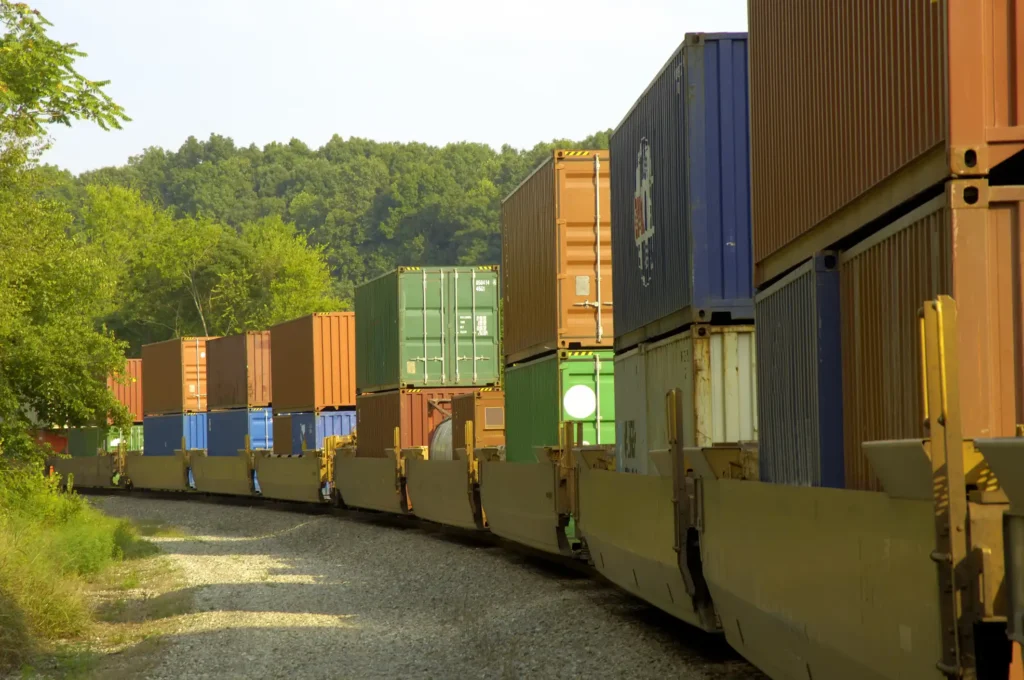
Following the official Association of American Railroads (AAR) Loading Rules is the best way to keep your freight safe on the tracks.
Shippers who skip these guidelines often see their goods arrive crushed or broken. Moving cargo by train saves money on long trips.
But train cars face rough forces that can break wood pallets and smash loose crates.
Learning how to pack your containers properly protects your products and your profits.
What Is the Purpose of Cargo Blocking and Bracing?
The main purpose of cargo blocking and bracing is to lock items in place so they cannot slide or fall inside the container.
When trains start or stop, loose goods slide back and forth. Blocking uses thick wood boards nailed to the floor to keep pallets from sliding around.
Meanwhile, bracing uses angled wood beams to keep tall freight from tipping over sideways.
Without proper supports, heavy pallets bang together like bowling pins on every train stop. Following proven Intermodal Blocking &
Bracing Standards keeps every box, crate, and pallet locked down tight. Securing your freight also protects the dockworkers and drivers who open the container doors at the end of the trip.
Why Does Rail Transit Demand Stronger Restraints Than Highway Trucking?
Train travel is much rougher on freight than a smooth highway drive. Standard semi-trucks use soft tires, air suspensions,and smooth roads to soften road bumps.
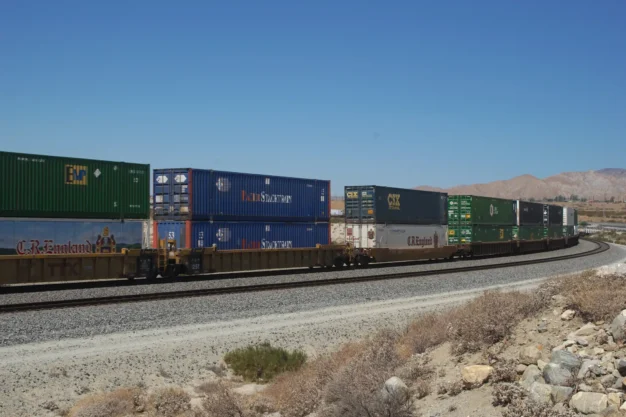
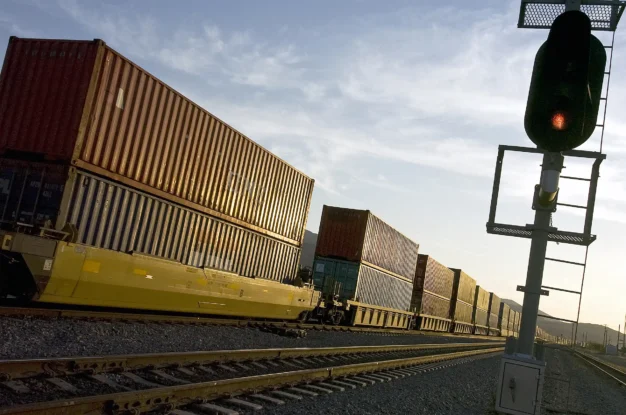
In contrast, heavy steel train cars ride right on rigid steel tracks.
Connecting rail cars inside busy train yards also causes violent forward and backward jolts. Federal tests show that rail cars bump into each other at four to ten miles per hour during yard work.
These sudden impacts create heavy shocks that can rip loose cargo right off pallets.
Standard methods used to block and brace in trucking are not strong enough to survive these big rail shocks.
For this reason, railroads require shippers to follow the Association of American Railroads (AAR) Loading Rules before accepting containers.
What Are Intermodal Container Securement Devices?
Intermodal securement devices are simple physical tools used inside shipping containers to fill empty space and hold cargo steady.
Heavy Wood Cleats and Floor Blocks
Wood floor blocks are the most common tools used to hold pallets in place. Crews nail thick wood boards directly into the container floorboards against each pallet base.
Backup cleats measuring at least eighteen inches long are nailed behind the front blocks to stop forward sliding.
Inflatable Dunnage Air Bags
Dunnage air bags are tough plastic and paper bags placed into empty gaps between pallets. Workers slide the flat bags between pallet rows and pump them full of air.
Inflated air bags push outward to press the freight tightly against the container walls.
Synthetic Strapping and Tough Webbing
Woven polyester straps and ratchet belts tie heavy gear to internal container rings. These strong straps keep top-heavy items from tipping over when trains brake hard.
Using tested tools ensures your loads meet official AAR standards on every run.
How Does the Rail Industry Regulate Loading Standards?
Railroads do not leave cargo safety up to random warehouse habits. The rail industry writes clear rules inside the Association of American railroads manual of standards and recommended practices.
This detailed rule book shows approved packing methods for thousands of different products. Large railroads like Union Pacific use these guidelines as their baseline rules.
Shippers must follow the Association of American Railroads (AAR) Loading Rules to qualify for standard cargo claim payouts.
If a poorly packed box shifts and causes an accident, the railroad holds the shipper responsible for the damage.
Checking official diagrams before you load prevents costly mistakes before your train leaves the yard.
Which Core Packing Rules Must Warehouse Crews Follow?
Warehouse workers must follow simple math rules before shutting container doors.
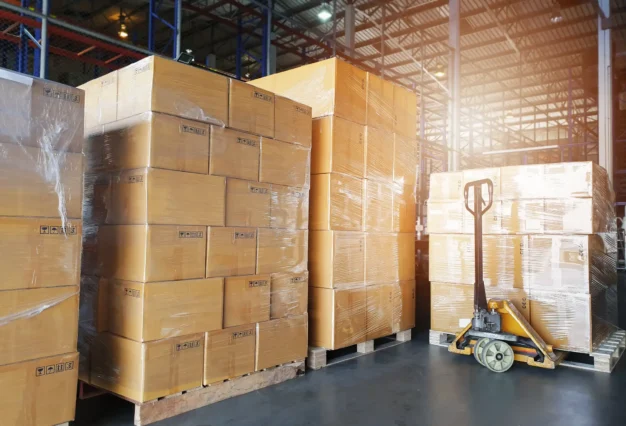
First, spread your cargo weight evenly across the container floor from front to back and side to side. Railroad rules state that weight cannot exceed 25,000 pounds within any ten-foot section of the box.
Second, fill all empty space using approved filler materials. Lengthwise fillers must handle at least 1,500 pounds of pressure per square foot without breaking. Empty pallets cannot serve as end walls or gap fillers.
Third, use strong lumber when nailing blocks to the container floor. Standard goods need lumber measuring at least two-by-four inches, while hazardous cargo requires thicker two-by-six boards.
Fourth, never count on the back doors to hold loose freight in place. Doors can only hold cargo if the total shipment weighs under 40,000 pounds and covers sixty percent of the doorway.
Checking the Association of American Railroads (AAR) Loading Rules ensures your pallets meet these exact safety marks.
What Common Packing Blunders Cause Denied Claims?
Most costly rail damage claims come from simple mistakes made on the warehouse dock.
The biggest error is treating a rail container like an ordinary highway truck trailer.
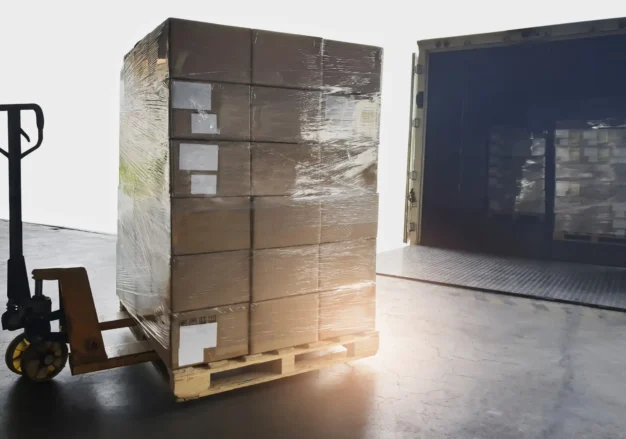
Shippers put light plastic wrap around pallets and think highway rules will work on train tracks. In reality, rough rail motion breaks weak plastic wrap within the first few miles.
Another frequent mistake is failing to take clear photos before sealing the container doors. Adjusters need visual proof that your crew nailed down proper floor blocks and filled open gaps.
Without photos, rail carriers often deny damage claims and blame the shipper for poor packing.
Lastly, guessing how to pack odd goods instead of checking official diagrams leads to broken products.
Reviewing the Association of American Railroads (AAR) Loading Rules gives your crew proven steps for every load.
How Does Jansson LLC Apply Association of American Railroads (AAR) Loading Rules to Keep Your Rail Shipments Safe?
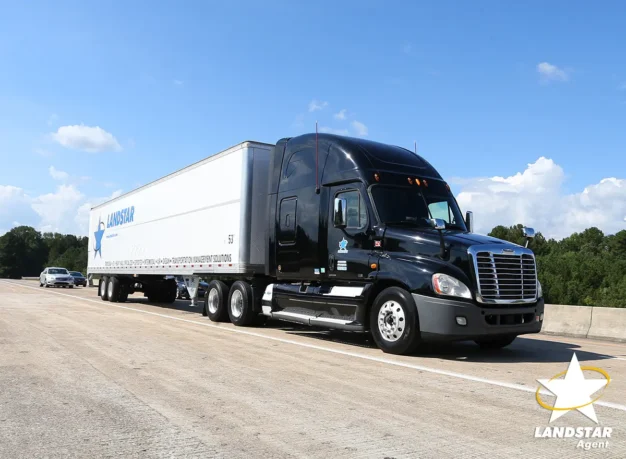
Following rail loading rules is much easier when you work with an experienced freight team. As an authorized Landstar freight agent, Jansson LLC helps U.S. businesses move secure intermodal freight across the country.
Our logistics team reviews your packing steps to ensure full compliance with Association of American Railroads (AAR) Loading Rules.
We connect your business with skilled drayage drivers and rail carriers who treat cargo with care.
Shippers get clear rates, steady container capacity, and dependable tracking on every single lane. Taking smart steps before closing container doors keeps your intermodal shipping program safe, claim-free, and affordable.
Partner with Jansson LLC today to route your intermodal shipments through experienced operators who handle heavy freight the right way.