
Shifting fuel surcharges can disrupt your shipping budget even when your base rates stay flat. Many business owners open their monthly invoices and see charges that look very high.
Diesel prices change every single week across the country. Trucking companies pass those extra costs to shippers whenever pump prices rise.
Knowing how fuel programs work protects your business from expensive freight surprises.
Managing pallet shipments requires watching more than just line-haul rates. Energy markets move up and down due to world events, refinery repairs, and seasonal driving trends.
Motor carriers adjust their weekly fees using official government data. Tracking these numbers closely gives you complete control over your freight spending.
What Is the DOE Fuel Index and How Does It Work?
The federal government tracks diesel prices across the nation to set a fair benchmark for shipping.
Every Monday, the Energy Information Administration updates the official DOE fuel index.
A Neutral Measure for Diesel Fuel
Government researchers gather price data from hundreds of truck stops across America. This weekly survey finds the average retail price for a gallon of highway diesel.
Because the numbers come from an independent agency, shippers and carriers both trust the data.
The weekly update creates a clear standard that the entire freight industry relies on.
Weekly Updates That Move Fast
Carriers download the updated price every Tuesday morning to plan upcoming billing cycles.
The new percentage rate applies to all pallet runs starting the following Sunday.
Changes in the index immediately impact what you pay during the next seven days. Rising oil prices trigger higher fees on your shipments without delay.
Why Do Fuel Surcharges Cause Huge Budget Swings?
Many logistics managers wonder why fuel surcharges create large budget spikes at the end of each month.
Small percentage shifts compound across dozens of shipments into thousands of unplanned dollars.
Stepped Percentage Tables
Motor carriers use special tariff tables that tie diesel price ranges to surcharge percentages. A two-cent jump in pump prices often triggers a higher rate on your bill.
These small steps look tiny on a single pallet quote.
In practice, multiple loads moving across shipping lanes quickly multiply that cost.
Compounding Weekly Expenses
Consider a company that ships fifty pallet loads every single month. Regional diesel can jump by forty cents in just four weeks.
That sudden shift can raise your surcharge rate by ten percent.
An extra hundred dollars is added to a thousand-dollar shipment. Shippers end up spending five thousand extra dollars across a single monthly billing cycle.
How Does Fuel Pricing Influence LTL Freight Rates?
Moving partial trailer loads works differently from booking an entire dedicated truck. In LTL freight, carriers split trailer space among multiple shippers while sharing fuel costs.
Fuel Calculated as a Percentage of Base Rates
Full truckload shipments bill fuel as a flat dollar rate per mile traveled.
Conversely, LTL shipping bills fuel as an added percentage on top of your line-haul rate.
Your fuel fee increases if your base charge is high due to bulky freight. Heavy items that require extra handling naturally create larger total fuel bills.
The Ripple Effect of Market Volatility
External disruptions across ocean trade routes or domestic pipelines shake fuel markets without warning.
Refinery work during spring and fall also drives up retail diesel costs.
Shippers cannot stop global oil market swings from happening. Fortunately, clear internal tracking prevents these sudden price spikes from hurting your cash flow.
How Can Shippers Build a Smarter Freight Budget?
Standard accounting methods often group all transport costs into a single generic freight line.
Splitting your transportation spending into distinct buckets allows your finance team to plan with precision.
Separate Fuel Fees from Base Transportation
Reviewing your invoices requires breaking charges into base rates, accessorial fees, and fuel surcharges.
Isolating each cost helps you see whether rate increases stem from carrier pricing or diesel swings.
Your accounting team gains the clear visibility needed to manage cash reserves well. Clear operational numbers prevent sudden budget shortfalls.
Model Best and Worst Price Scenarios
Budgeting around a single diesel estimate almost always leads to forecasting errors.
Smart managers build three financial models using low, expected, and high diesel prices. Sharing these potential price ranges with company leaders sets realistic financial expectations.
Surprises disappear when your executive team already planned for higher diesel scenarios.
Update Cost Projections Every Single Week
Setting a weekly reminder to check Monday diesel updates keeps your budget current. Recalculating your fuel spending when pump prices jump ten cents prevents month-end panic.
Your finance team can adjust budget accruals in real time instead of scrambling weeks later. Regular monitoring turns chaotic fuel shifts into predictable operational planning.
Why Compare Carrier Fuel Tables Before Signing Contracts?
Not all transportation providers calculate fuel fees using the exact same formula. Comparing published surcharge tables alongside base line-haul rates is essential before choosing a carrier.
Variations in Carrier Surcharge Scales
Two trucking firms might offer identical five-hundred-dollar base rates for the exact same freight lane.
Yet, Carrier A might charge a thirty percent fuel fee while Carrier B charges thirty-five percent.
That five percent gap adds twenty-five dollars to every single delivery.
Over hundreds of annual shipments, working with the wrong carrier wastefully drains thousands of dollars.
Spotting High Trigger Thresholds
Certain carriers maintain lower trigger points where fuel penalties begin. Other providers design tables that climb rapidly once diesel passes four dollars per gallon.
Reading carrier tariff rules helps you select partners whose fee formulas fit your specific lanes.
Choosing the right pricing structure protects your long-term shipping budget.
How Does Jansson LLC Keep Fuel Surcharges Predictable for Shippers?
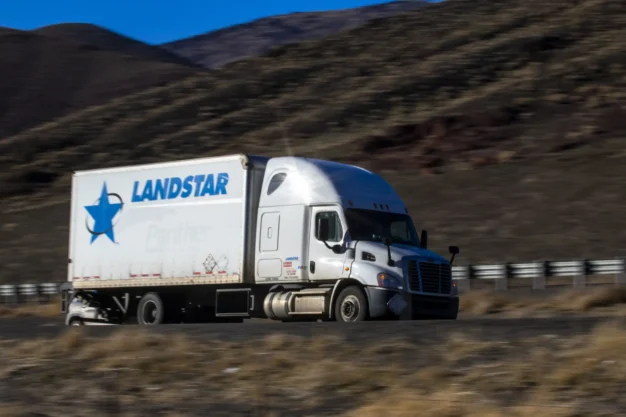
Navigating weekly fuel surcharges requires a trusted partner who understands carrier tariff structures.
Working with Jansson LLC gives your business the expertise needed to keep pallet delivery costs predictable.
The Power of a Landstar Freight Agent
As an authorized Landstar freight agent, our team connects your company with a vast national carrier network.
We examine how different motor carriers structure their fuel formulas across your primary shipping lanes.
Our freight experts match your cargo with providers whose tariff tables offer the best overall value. Having a professional logistics advocate ensures you never pay inflated fuel markups.
Proactive Lane Analysis and Cost Protection
Managing corporate shipping costs requires ongoing vigilance and clear communication.
Our logistics specialists analyze your historical invoices to identify lanes with excessive fuel surcharges. We help your warehouse team optimize pallet density and negotiate favorable carrier pricing tables.
Partnering with Jansson LLC safeguards your profits and brings lasting predictability to your supply chain.
Contact our freight specialists today to audit your recent shipping bills and discover smarter fuel savings!