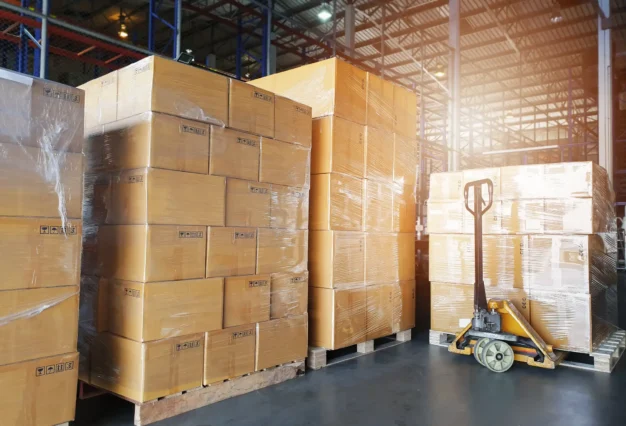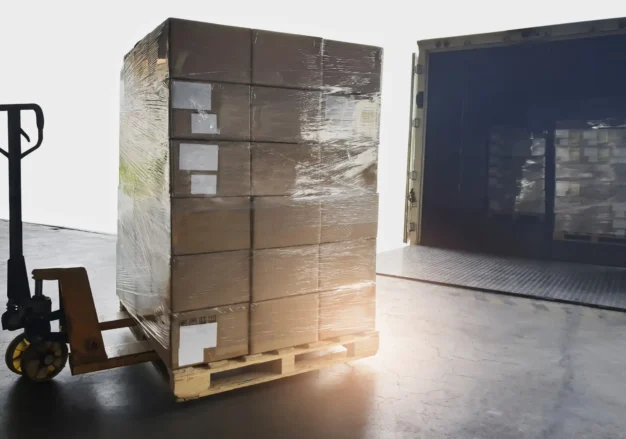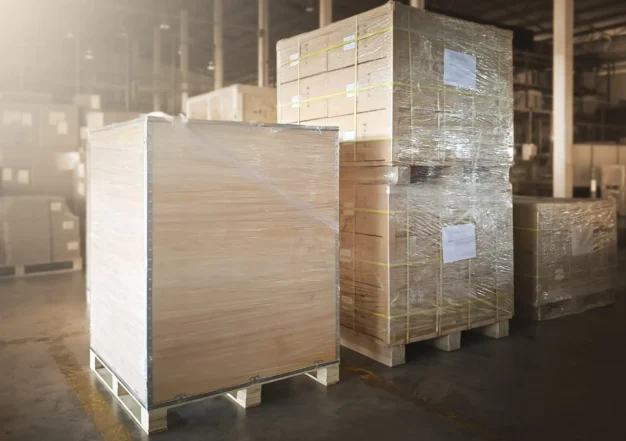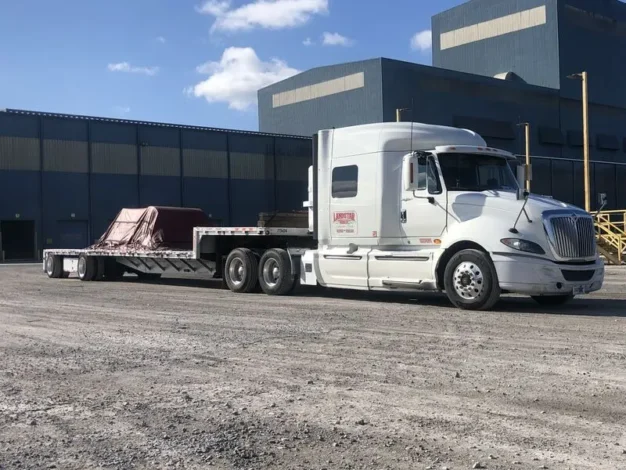
Moving several pallets across the country can lead to shocking invoice spikes. Shippers who ignore the linear foot rule often face unexpected billing penalties.
Many businesses book a load thinking they only pay for cargo weight.
Weeks later, a surprise invoice arrives with fees that double the rate. Trucking companies add these capacity fees when pallets take up floor space without enough weight.
Learning how carriers calculate trailer floor space protects your freight budget from painful surprises.
Shipping partial loads requires close attention to trailer layout.
When you share a trailer with other businesses, carriers must plan floor space carefully. Bulky items take up room that could carry heavier cargo.
Drivers need dense freight to keep the truck balanced. Knowing how freight carriers measure your space keeps your logistics costs predictable.
What Is the Linear Foot Rule in Freight Shipping?
Shippers often ask, “What is the linear foot rule?” after seeing an unexpected capacity charge on their bill.
Some veteran truckers call this policy the rule of the line. It draws a firm boundary on trailer floor space.
Floor Space Over Actual Weight
Traditional freight quotes rely on cargo weight, travel distance, and freight class.
When your shipment takes up too much floor space, the linear foot rule overrides that pricing.
Carriers stop billing your actual weight. Instead, they bill a mandatory minimum weight per foot of floor space.
This change protects the carrier from hauling empty air on busy routes.
Why Carriers Enforce Floor Space Rules
Motor carriers earn money by filling trailers with a mix of heavy and light cargo.
If a lightweight shipment covers half the trailer floor, the driver cannot load dense freight behind it.
Charging by floor space ensures the carrier makes enough money on every trip.
Understanding this balance helps you choose the most cost-effective shipping method.
What Does “Linear Foot” Mean for Your Cargo?
Knowing how carriers measure trailer length helps you avoid extra fees. The phrase “linear foot” describes a straight twelve-inch measurement along the floor of a standard trailer.
Measuring Along the Floor Length
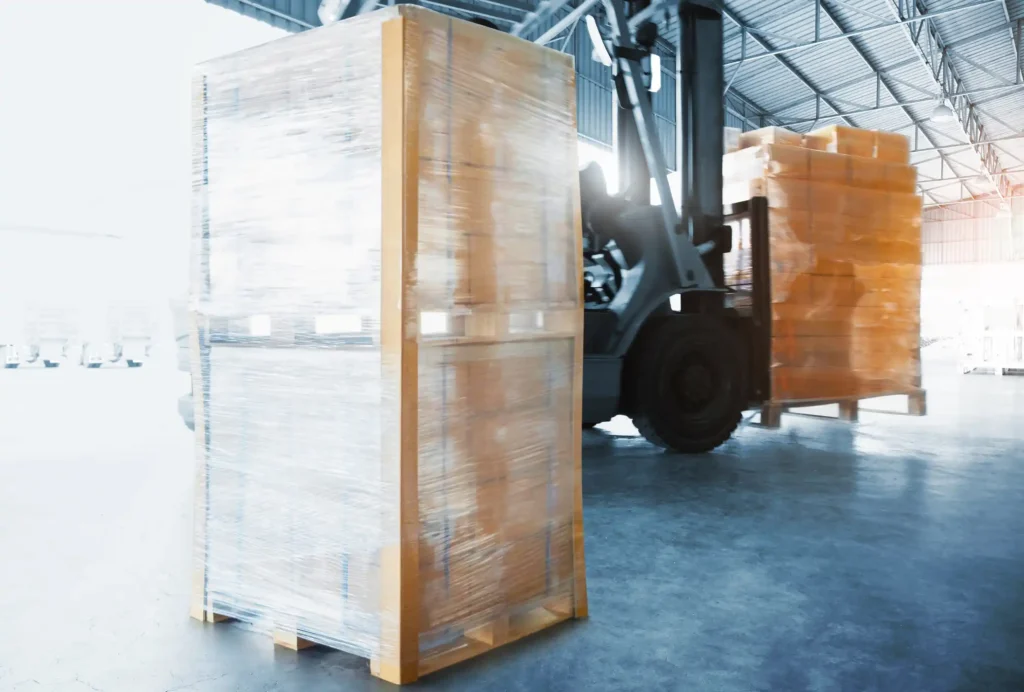
Trailers are roughly eight feet wide inside. Standard shipping pallets measure forty-eight inches by forty inches.
Loading two standard pallets side by side fills the full eight-foot width. That single pair of pallets covers four feet of floor length from front to back.
Quick Pallet Row Calculations
Figuring out your floor footprint takes only a few seconds.
Divide your total pallet count by two. Round up if you have an odd number of pallets.
Next, multiply that row count by four to find your total feet of trailer space.
Six pallets placed side by side create three rows. Three rows take up twelve feet of floor space.
Why Do Carriers Trigger Expensive Capacity Fees?
Exceeding carrier space boundaries causes your freight quote to jump quickly. Most LTL freight providers enforce strict space limits to prevent trailers from filling up too fast.
The Ten-to-Twelve-Foot Boundary
Major freight carriers set space thresholds between ten and twelve feet of floor length. Some carriers trigger capacity pricing the moment your shipment reaches ten feet.
Other carriers allow twelve feet before shifting your pricing structure.
Once your cargo crosses that line, the carrier re-rates your entire shipment under capacity load rules.
Punitive Minimum Weight Charges
Triggering the rule causes carriers to increase your billable weight. They charge a minimum of one thousand pounds per linear foot.
A twelve-foot shipment that actually weighs four thousand pounds gets billed at twelve thousand pounds.
Your freight class is then applied to that artificial weight. A bill that started at a few hundred dollars can jump to several thousand dollars.
How Does Non-Stackable Freight Double Your Bill?
Pallet stackability plays a massive role in how carriers measure your floor footprint. Telling a carrier that pallets cannot be stacked instantly changes your space math.
Lost Vertical Trailer Space
Truck trailers measure over eight feet tall inside. When you place a short, non-stackable pallet on the floor, the space above it sits empty.
Drivers cannot place other cargo on top of fragile boxes. Therefore, the carrier treats your cargo as taking up double the floor space.
Preventing Non-Stackable Surcharges
Packaging your freight securely allows drivers to stack other pallets on top safely.
Use heavy-duty boxes, solid wooden pallets, and tight shrink-wrap to protect your goods. Always declare your cargo as stackable on your bill of lading.
Keeping pallets stackable prevents your shipment from triggering the linear foot rule.
When Should Shippers Switch to Volume or Partial Truckload?
Booking standard LTL shipping is not always the best choice for large pallet moves. Exploring alternative freight options can save your company thousands of dollars on long routes.
The Advantages of Partial Truckload
Partial truckload carriers do not punish you with heavy minimum weight rules.
Instead, these providers quote rates based on the exact trailer space your cargo uses. You get fair market pricing without the threat of artificial weight adjustments.
Your freight also stays on a single truck, which reduces the chance of damage during transit.
Calculating the Better Option Before Dispatch
Running the numbers before booking prevents costly billing surprises. If your shipment takes up more than ten feet of trailer floor, ask for both standard and volume quotes.
Volume shipping often costs half as much as standard carriage once capacity penalties apply.
Smart planning allows you to choose the most economical shipping method every time.
How Does Jansson LLC Protect You from the Linear Foot Rule?

Managing complex pallet moves requires an experienced logistics partner who reviews your paperwork before dispatch. Working with Jansson LLC ensures your shipments move at fair, predictable rates.
The Value of a Landstar Freight Agent
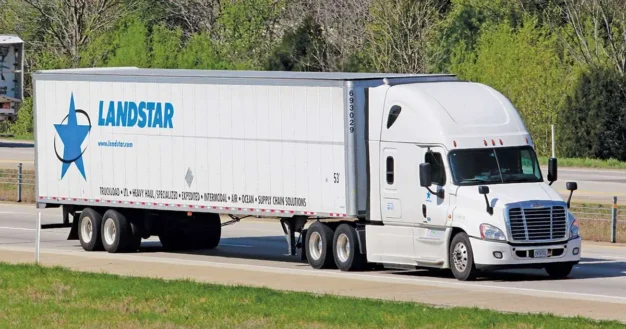
As an authorized Landstar freight agent, our team connects your company with a massive network of trusted motor carriers.
We evaluate your pallet dimensions, total weight, and stackability before booking any truck. Our freight specialists determine whether your cargo is at risk of triggering the linear foot rule.
Having a dedicated freight agent means you never worry about unexpected capacity surcharges.
Proactive Freight Planning and Budget Defense
Unplanned accessorial fees damage company profits and complicate supply chain budgets.
Our team audits your freight lanes to find the most cost-effective shipping methods.
We help you choose between standard partial trailers and dedicated volume options to keep your spending low.
Partnering with Jansson LLC gives you peace of mind and complete visibility over your shipping expenses. Connect with our logistics team today to review your multi-pallet shipments and stop surprise fees for good!