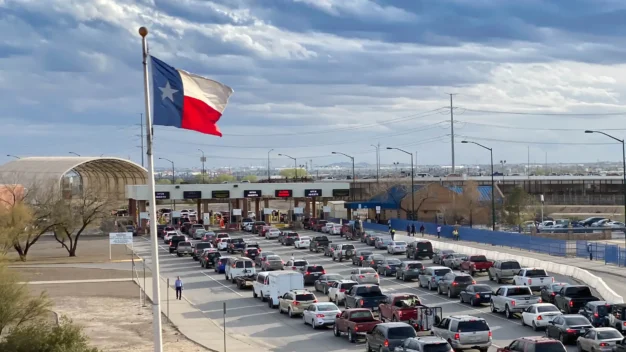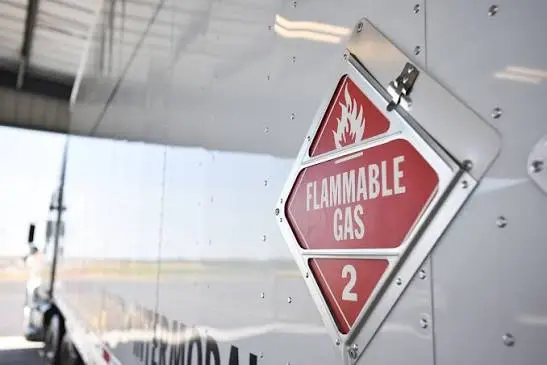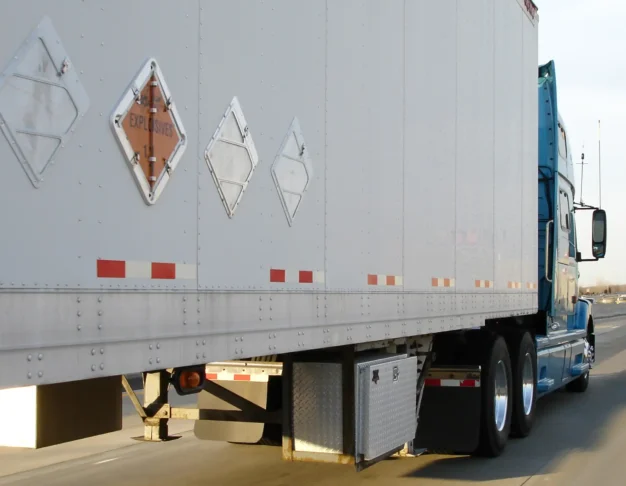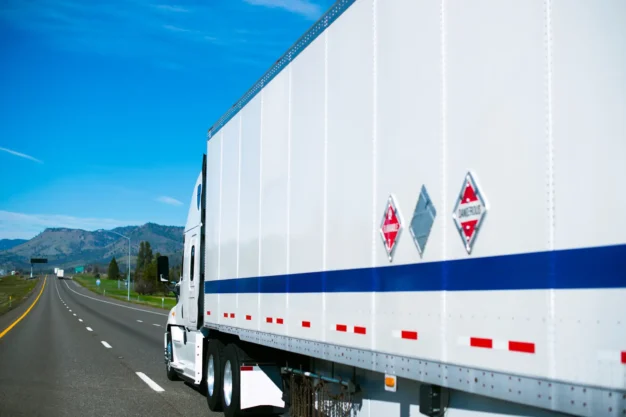
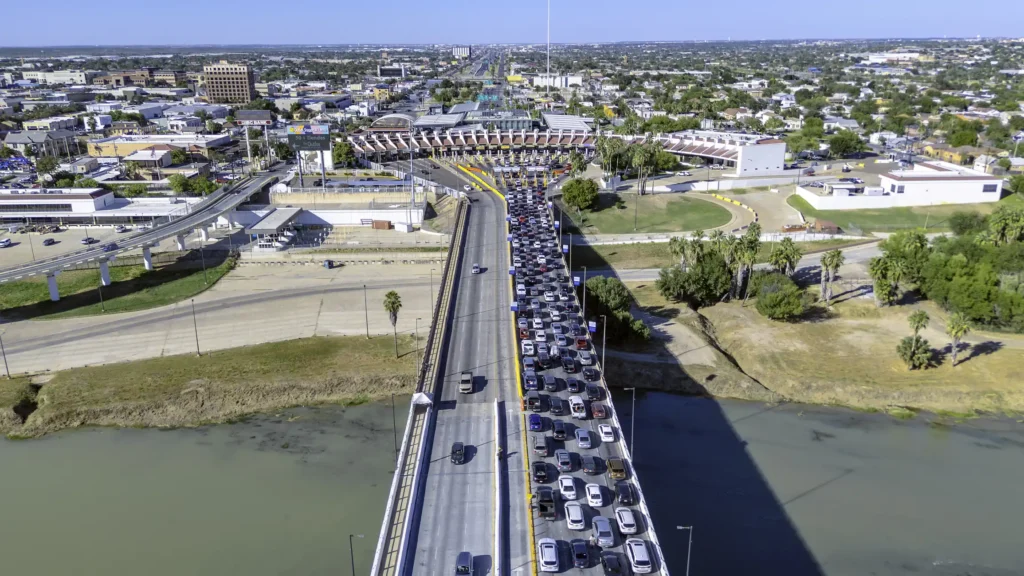
Every international load forces shippers to decide whether cargo stays in one trailer or swaps trucks at a dock. Getting this cross-border shipping decision right lowers damage risk, trims freight bills, and keeps delivery dates safe.
Some loads stay safest when they never leave their first trailer. Other loads move faster and cost less when crews transfer pallets at the border.
Matching the right transit method to your goods protects your budget and keeps buyers happy.
Smart border planning starts with knowing how each transit option works.
Both paths get your goods across the line, yet they treat your freight in very different ways.
Looking at handling steps, seal security, and customs rules helps you pick the best option for every load.
How Do Transloading and Direct Trailer Moves Work?
Understanding the core difference between these two cross-border shipping methods comes down to one simple question.
Does your freight change trailers at the border, or does it stay put from start to finish?
Swapping Trailers at a Border Dock
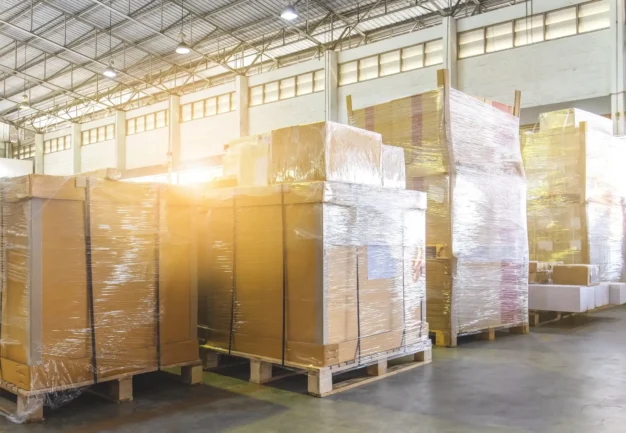
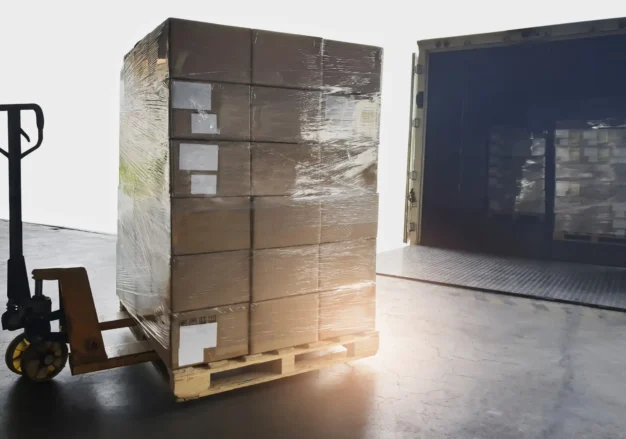
During transloading, a domestic truck brings your freight to a border cross-dock.
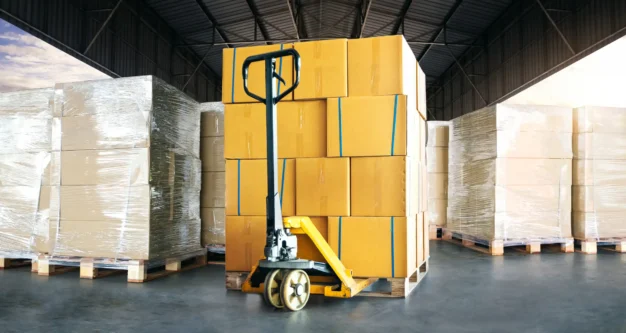
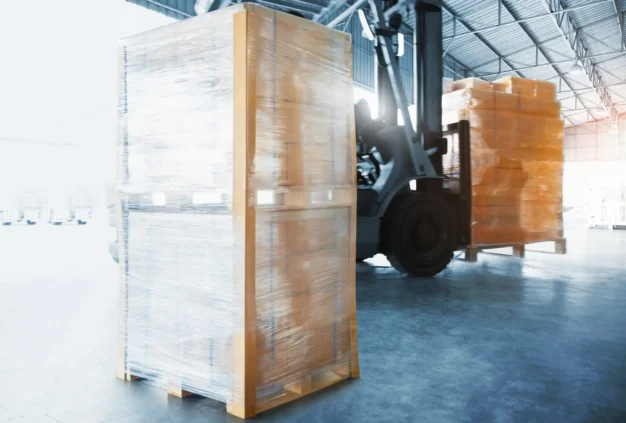
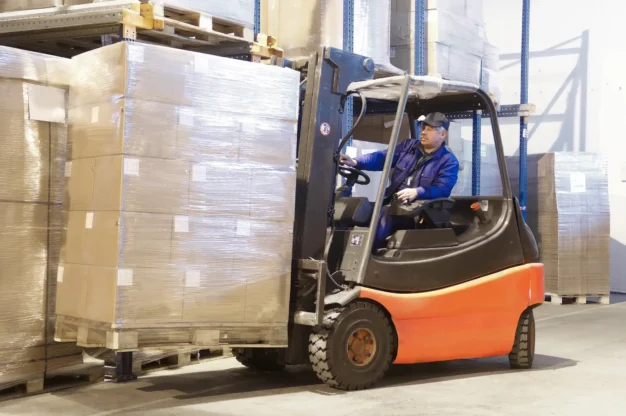
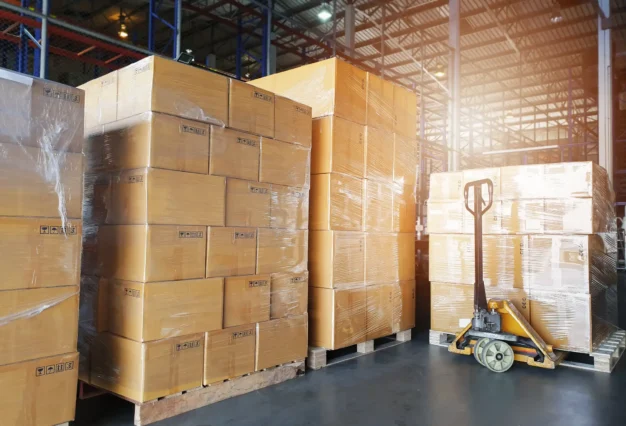
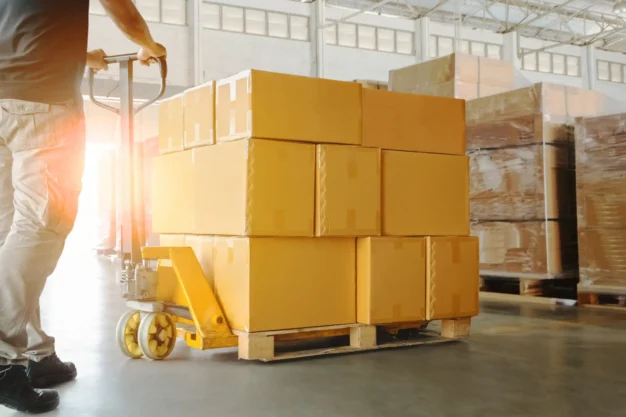
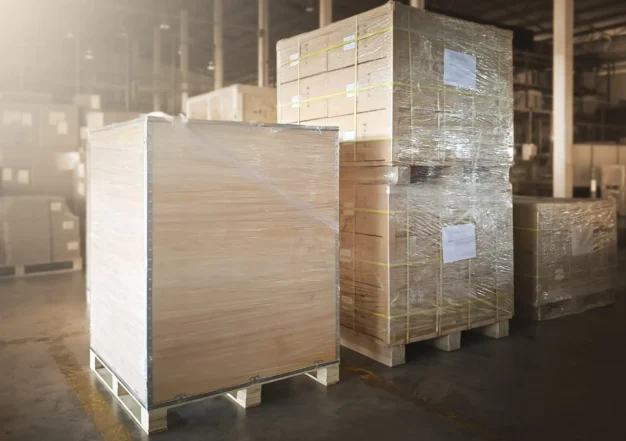
Workers unload the pallets inside a transloading facility and place them onto a new trailer.
That second trailer then finishes the trip to your buyer. Adding this dock step lets two separate fleets handle their own side of the border.
Keeping One Trailer Door to Door
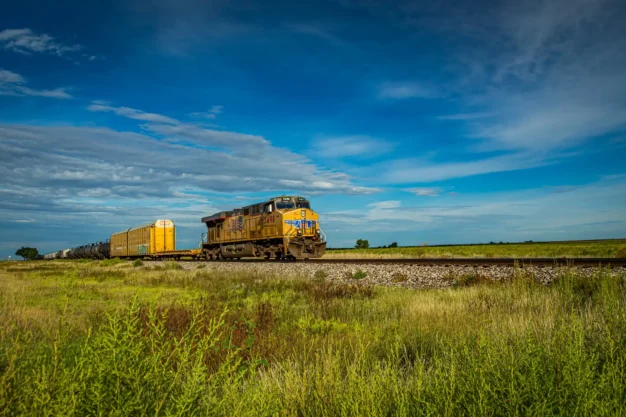
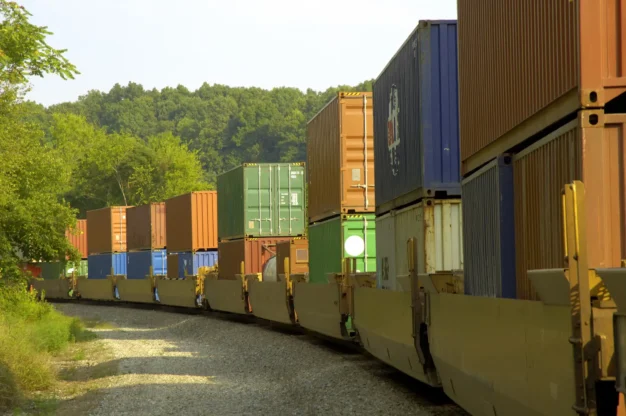
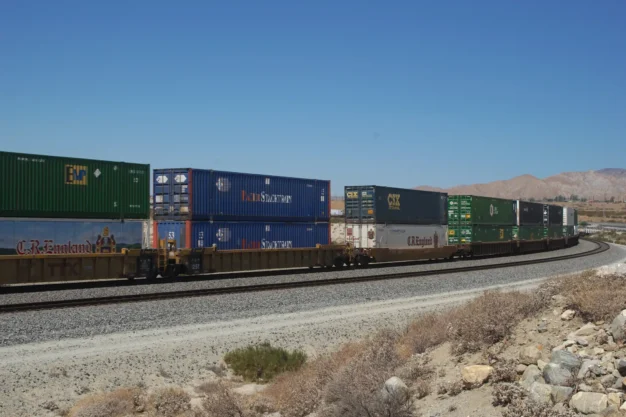
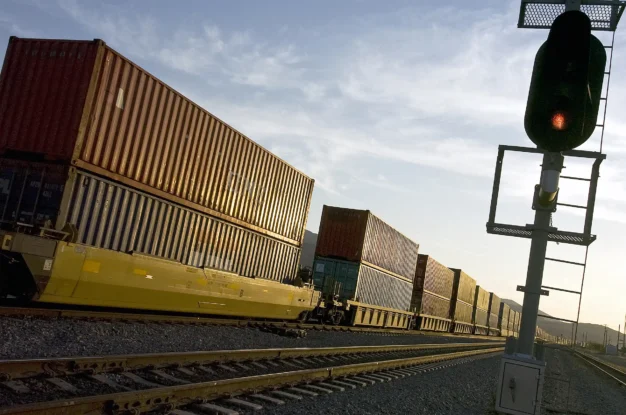
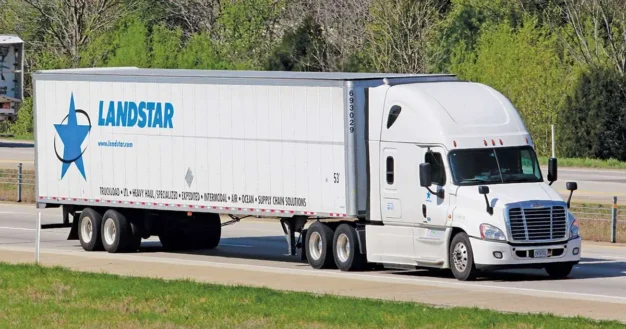
With a direct trailer service, your loaded trailer crosses the border just as it was packed. Tractors and drivers may swap at the gate, yet your cargo never gets touched.
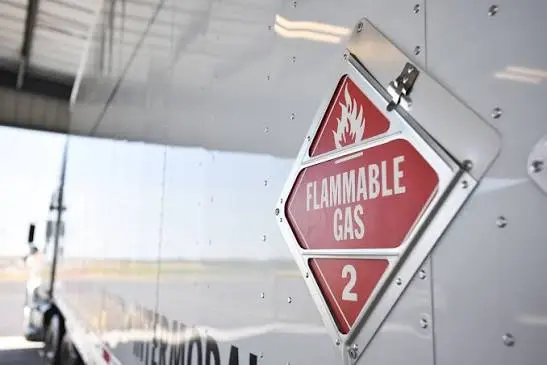
When moving foreign-origin goods through the U.S. toward Mexico, shippers often use a direct trailer in-bond setup.
U.S.Customs and Border Protection notes that in-bond rules let goods travel between U.S. ports without paying duty at the first stop.
A bonded carrier moves the load to an approved port or site, so ask your customs broker how those rules fit your freight.
Where Does Cargo Risk Hide During Border Transfers?
Every time a forklift touches your freight, something can go wrong.
Comparing these two cross-border shipping choices reveals three key risk areas that every logistics team must weigh.
Damage and Missing Items
Keeping cargo in one trailer cuts out extra handling.
Industry sources note that swapping trailers adds two extra touches at the dock, and each touch raises the chance of crushed boxes or lost pallets.
Cross-docks do log cargo condition during transfers, which helps if you ever need to file a freight claim.
Theft and Broken Seals
Locking a trailer with one seal from pickup to drop-off leaves far fewer weak spots. Unloading freight at a border dock breaks that single-seal chain.
Even inside secure cross-docks, every hand-off adds a step to watch, which is why certified security programs often prefer one unbroken seal.
Customs Papers and Broker Hand-offs
Moving freight in one trailer keeps your cargo record continuous from start to finish.
Swapping trailers means paperwork changes hands along with the boxes, so each carrier’s papers cover only its own leg.
Either way, you must name a customs broker on both sides of the border before your truck leaves the dock.
Which Cargo Types Match Each Border Transit Method?
No single transit plan fits every product on the road. Your specific cargo type decides which cross-border shipping path works best, based on proven industry guidelines.
When One Trailer Protects Your Freight Best
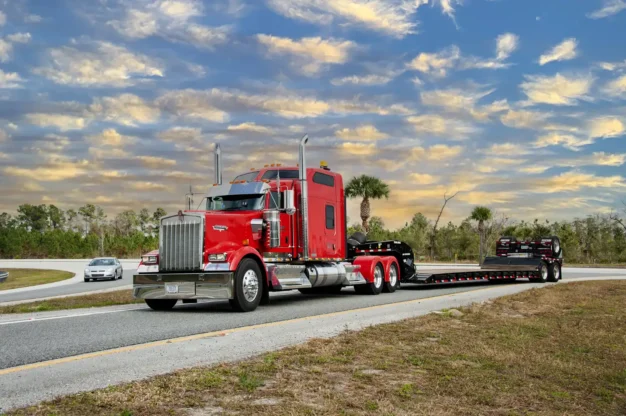
Fragile items, high-value gear, and over-sized machines belong in a single trailer from start to finish.
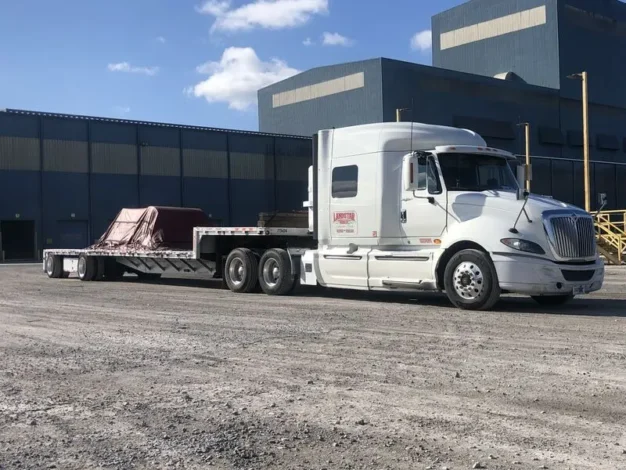
Heavy machinery and flatbed loads cannot move easily from one deck to another at a busy cross-dock.
Keeping one trailer under your goods prevents costly lifting damage and keeps delicate parts safe.
When Swapping Trailers Saves Money
Standard palletized freight like auto parts and boxed retail goods fits transloading services very well.
Transferring pallets at the border opens up a much larger pool of trucks on both sides.
Industry sources show that wider carrier access often brings lower rates on long-haul freight.
Swapping trailers also helps when you need to split one big load into smaller orders or combine several small pallets onto one truck.
How to Handle Cold-Chain and Food Loads
Food and drink shipments can work under either plan depending on temperature needs.
Fewer dock touches mean fewer chances for warm air to break your cold chain.
Always talk with your carrier early to map out the safest temperature plan for fresh or frozen goods.
What Three Questions Should You Ask Before Booking a Border Load?
Asking clear questions before dispatch helps you compare quotes fairly and avoid surprise bills.
Good cross-border shipping partners answer these three points clearly before pickup day.
Check If Dock Transfer Fees Are Included
Cheap freight quotes sometimes leave out border dock charges. Swapping trailers adds extra labor and dock time,so make sure every quote lists all fees upfront.
Confirm Who Handles Border Damage Claims
Finding out who pays if goods get damaged at the border saves major headaches later. Ask how fast the carrier responds to claims before you ever book the truck.
Verify the Backup Plan for Long Gate Delays
Border days often run long when gate lines back up. Make sure your partner has a clear backup plan ready if a trailer stalls at the crossing.
Why Partner with Jansson LLC for Cross-Border Shipping?
Picking the right transit method keeps your cargo safe, protects your profit margins, and builds buyer trust.
As an experienced Landstar freight agent, Jansson LLC helps U.S. businesses plan the domestic leg of every cross-border shipping move with ease.
Our freight specialists match your pallets, fragile goods, or heavy equipment with vetted carriers across North America.
We help you weigh dock transfers against through-trailer options so your freight moves without costly surprises.
Reserve a ten-minute freight review call with our team today to compare direct trailer and transload options for your next load.