Facing a sudden PHMSA audit can turn simple paperwork errors into huge fines.
Passing a PHMSA audit requires having neat shipping files ready before an agent visits your dock.
Most chemical shippers do not fail visits because their cargo is unsafe.
Trouble starts when daily papers are missing, old, or hard to find. Understanding how government agents review files helps protect your firm from large fines and costly delays.
Moving dangerous goods takes steady care.
Government agencies set strict packing, labeling, and filing rules across the freight chain. When an agent visits your dock, they check paper trails to make sure you follow the law.
Taking time to sort your files today keeps your team ready every day of the week.
Why Do Government Agents Check Shipping Papers First?
Federal inspectors always start by looking at your daily shipping papers. Messy freight bills make inspectors think other warehouse safety rules are also broken.
Huge Fines for Basic Filing Errors
Officials issue steep cash fines to firms that ignore safety rules. Base fines for shipping errors top one hundred thousand dollars per event.
Penalties climb even higher if a paper mistake leads to a spill or injury.
Training errors bring mandatory base fines for every worker who lacks current proof. Small filing errors on daily loads quickly turn into crushing business losses.
Shipper Duties Under Federal Law
Federal law puts the job of making accurate papers directly on the shipper. Trucking firms check files before driving.
Still, you sign the form that certifies safe packing.
Signing that form puts your company on the line. Shippers cannot blame drivers when inspectors find missing facts on a bill of lading.
What Makes a Hazmat Basic Description Legally Safe?
The basic description is the heart of every dangerous goods shipping paper.
Writing these facts correctly helps firefighters know what to do during highway crashes.
The Mandatory Four-Part Order
Strict PHMSA regulations demand that chemical descriptions follow a set four-part order.
You must always list the UN identification number first. Next, write the proper shipping name from the official rule book.
Third, list the hazard class or division number. Last, write the assigned packing group with Roman letters.
Changing this order breaks federal rules and puts rescue teams at risk.
Extra Details That Keep Responders Safe
Certain chemicals require added technical facts on the freight bill.
Shippers must add technical names in curved brackets for generic chemical blends.
Total weight, volume counts, and package types must also appear beside the basic description.
Leaving off package styles stops dock crews from securing drums safely inside trailers.
How Should Shippers Handle Emergency Response Details?
Fast help saves lives when chemical leaks happen on the road. Safety rules demand quick spill help for every cargo run.
The Dedicated Live Phone Line
Every bill of lading must list a 24-hour emergency phone line.
A trained person who knows the chemical hazards must answer that line right away. Voicemails, answering machines, and call menus are banned while freight moves.
Your team must hire an approved response center if you cannot take calls day and night.
Clear Safety Facts for Responders
Inspectors check that drivers carry cleanup steps for every load. You must provide clear written notes covering fire risks, spill cleanup, and first aid steps.
Keep this vital safety data attached directly to the main shipping paper.
First responders need immediate access to facts without searching through cargo boxes.
Why Do Worker Training Records Bring Big Fines?
Trained staff forms the foundation of safe chemical handling. Inspectors review staff files closely to ensure your team follows all DOT PHMSA requirements.
The Three-Year Training Cycle
Federal rules state that all hazmat staff must finish safety courses every three years.
New hires must finish their first course within ninety days of starting work. Uncertified staff may only handle hazardous tasks under the direct eye of a trained coworker.
Letting an employee pack or sign for cargo with an expired card brings swift fines.
Proving Complete Employee Testing
Holding quick safety talks does not satisfy a federal agent. Regulators want detailed paper proof showing when classes took place and what topics were taught.
Every staff file must show the worker’s name, class date, and training course books.
You must also keep the trainer’s address on file. Inspectors also look for proof that the worker passed a written test.
Missing training logs remain one of the most common findings during a federal review.
How Can You Build a Reliable PHMSA Audit Checklist?
Setting up a regular review routine keeps your team ready for surprise visits. Organizing your documents ahead of time prevents panic when inspectors arrive.
Two-Year Record Retention Rules
Federal law commands shippers to keep all hazardous shipping papers for two full years.
Hazardous waste papers require three full years of safe storage. Keep these files in a central spot where your team can grab them in minutes.
Failing to find an old freight bill during a visit leads to an automatic ticket.
Avoiding a Bad Inspection Summary
Smart logistics managers build a practical PHMSA audit checklist to guide four reviews each year. Put sample shipping papers, emergency call logs, and active staff cards in one folder.
Checking your own files every three months catches missing papers before an agent drops by.
A clean internal review keeps painful findings off your final PHMSA audit report.
How Does Jansson LLC Keep Your Freight Ready for a PHMSA Audit?
Managing the risks of hazmat shipping requires a trusted partner who knows federal safety rules. Working with Jansson LLC provides the expert oversight needed to protect your cargo and brand.
Elite Carrier Matching Through Landstar Freight
Our team links your company with vetted chemical haulers across the country.
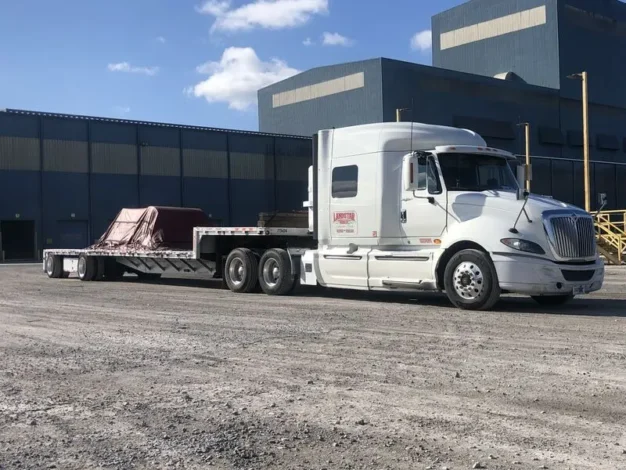
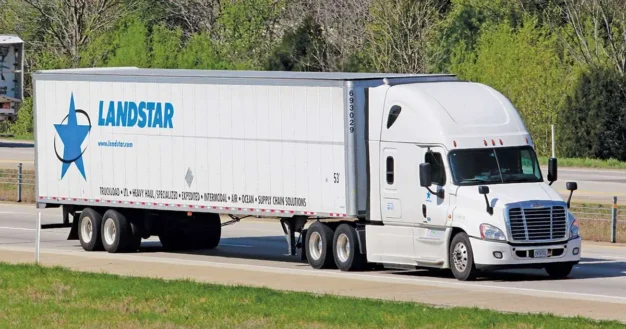
As an agent for Landstar freight, we check driver permits, licenses, and safety scores before pickup.
We match your chemical loads with skilled drivers who know proper truck signs and load bracing.
Working with trusted experts ensures your freight moves safely from your dock to your buyer.
Proactive Paper Checks and Lane Support
Avoiding big fines takes steady care and clear pre-shipment checks. Our logistics team checks your bills to catch costly filing errors early.
We help you book the right trucks. Our team tracks your cargo on the road. We also help you select the safest routes for your freight.
Send your hazardous cargo details to our freight team today to keep your shipments safe, smooth, and audit-ready!