Using the federal limited quantity exception helps you ship small chemical orders without big fees.
Learning how this rule works gives your business a faster way to move freight. Many shippers think that all chemicals need full hazard papers and truck placards.
Regulators know that tiny bottles create far less danger on the road than giant tankers. Taking advantage of these easier rules keeps your freight moving fast.
Shipping small chemical boxes still requires good warehouse habits.
You must obey strict bottle sizes and box weight caps to stay legal. Packing too much liquid into a carton can wipe out your legal relief.
Following these safety steps protects your firm from highway fines and costly delivery stops.
What Qualifies as Limited Quantity Hazmat?
Shippers often ask what qualifies for the limited quantity exception when packing small goods. The answer depends on your bottle sizes, carton weight, and chemical type.
Inner Bottle Caps and Total Box Weight
Federal safety codes set strict limits on each bottle inside your outer box.
Medium-danger flammable liquids (Packing Group II) cannot top one liter per inner bottle.
Lower-danger flammable liquids (Packing Group III) can measure up to five liters per can.
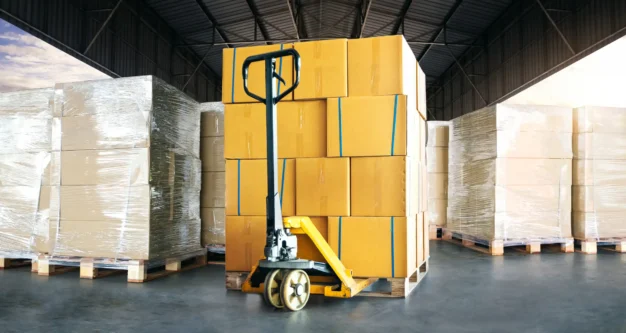
Regardless of bottle count, your packed outer box can never weigh over sixty-six pounds.
Staying below these caps lets you use the DOT limited quantity exemption (officially called a regulatory exception).
Checking Limits for Each Chemical Class
Container caps change depending on the exact goods you need to move. Cleaners, aerosol cans, and industrial glues each have different bottle limits.
Shippers must check the chemical tables in federal rule books.
Read the special packing section linked to your product to confirm your numbers. Guessing your bottle allowances leads to failed checks and big fines.
Why Does the Government Grant Relief on Small Packages?
Safety agencies want to stop needless paperwork on low-risk freight. Clear limited quantity hazmat rules make shipping easier for warehouses and drivers.
Lower Danger on Public Highways
Small bottles packed in sturdy boxes pose little threat during road accidents. If one small bottle leaks, the outer box catches the fluid before fumes spread.
Rescue crews do not face huge blasts like those from fuel tankers.
Low public risk allows safety teams to ease normal trucking rules.
Skipping Expensive Truck Placards and Papers
Qualified loads do not need formal hazardous papers on standard U.S. highway trips. Drivers do not need to carry special manifests for these small-bottle boxes.
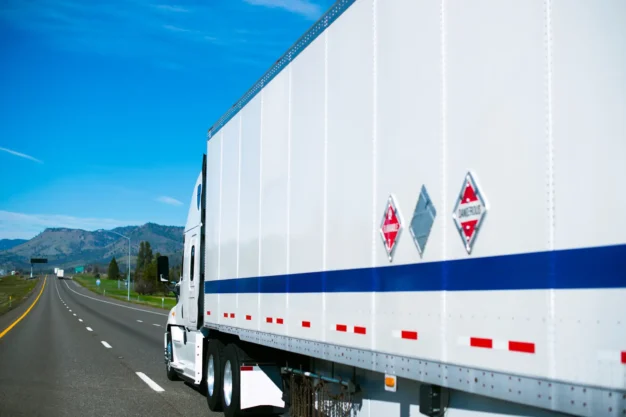
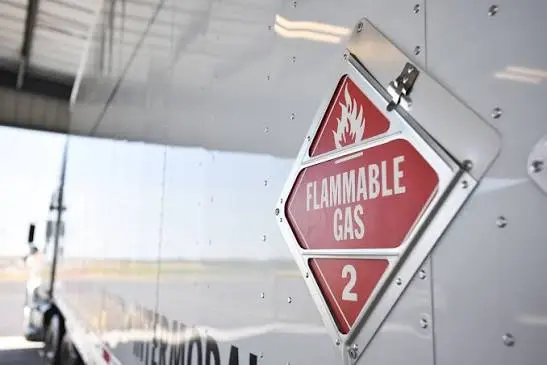
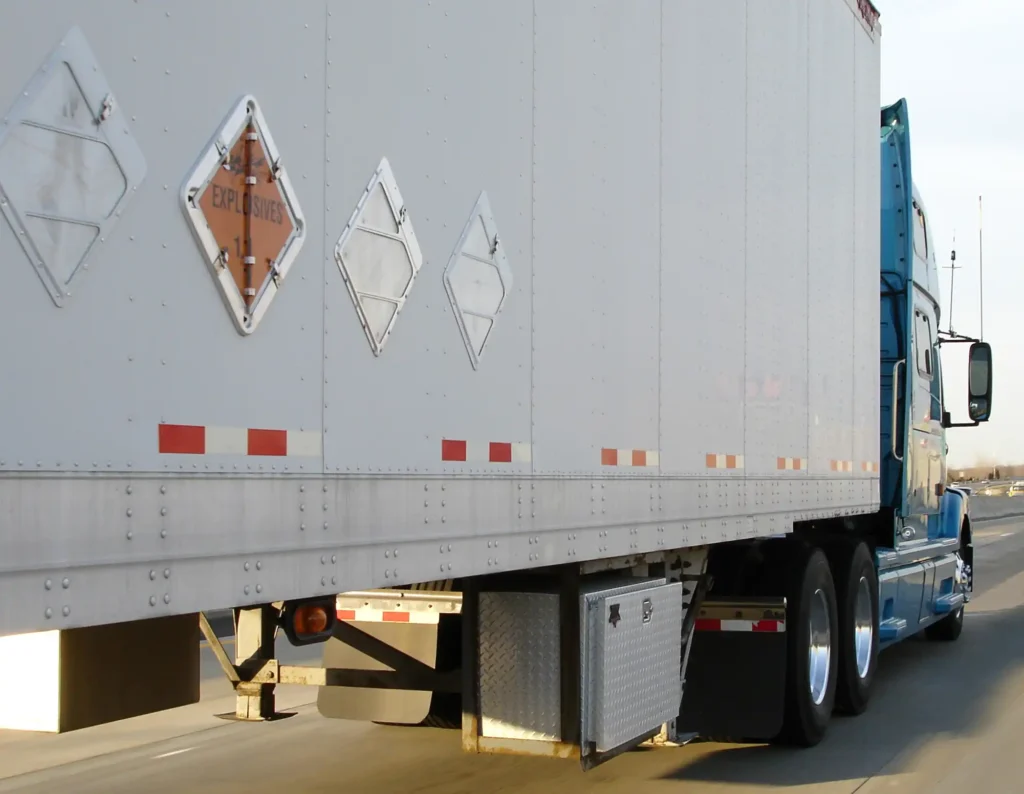
Shippers can also skip placing diamond hazard placards on the outside of the truck.
A motor carrier hauling thirty thousand pounds of only these marked boxes can roll without a single exterior placard.
What Packaging Rules Must Shippers Still Follow?
Getting regulatory relief does not mean you can use cheap boxes. Following clear limited quantity shipping requirements protects your freight on the road.
The Diamond Box Marking Standard
Every outer box must display the limited quantity diamond mark. This symbol has a clean white center framed by thick black corners on the top and bottom.
The diamond must measure one hundred millimeters on each side so dock crews spot it fast.
Tiny fifty-millimeter marks are only allowed on very small boxes. Placing clean marks on your boxes keeps cargo moving without terminal delays.
Sturdy Outer Boxes and Tight Bottle Caps
Shippers can use strong regular boxes instead of costly United Nations test crates. Your outer carton must still hold up against normal drops and rough roads.
Bottle caps must be sealed tight so air pressure changes do not cause leaks.
Adding bubble wrap, cardboard dividers, and strong packing tape keeps bottles from smashing into each other.
How Do Worker Training Rules Apply to Excepted Freight?
Many warehouse managers think exempt freight means they can skip staff training. Federal agents check worker training across all hazmat shipping.
Mandatory Refreshers Every Three Years
Anyone who packs, marks, or loads these boxes must complete safety classes. New warehouse workers must finish their training within ninety days of starting work.
Staff members must repeat this safety training every three years.
Failing to train workers who handle cargo under the limited quantity exception can bring painful fines during an audit.
Keeping Complete Training Records on File
Your safety desk must keep clear paper or digital proof of training for every dock worker.
Each record must list the worker’s name, class date, and training materials used.
Regulators check these files to make sure your staff knows packaging caps and spill rules. Keeping neat records shows inspectors that your firm cares about safety.
When Do Trucking Fleets Still Charge Special Fees?
Federal exceptions cut government red tape, but they do not control carrier pricing. Knowing how trucking firms price freight keeps your shipping budget predictable.
Fleet Tariffs Versus Government Relief
Government agencies write highway laws, but motor carriers set their own freight rates. Some regional fleets drop extra fees for boxes using the limited quantity exception.
Other carriers still charge handling fees because their dock crews must sort chemical boxes by hand.
Shippers should always ask carriers how they price small hazardous packages before dispatch.
Looking at Real Shipping Examples
Picture a box holding ten half-liter cans of Packing Group II paint weighing forty pounds. This shipment qualifies for the limited quantity exception and travels with simple diamond box marks.
Contrast that with a box holding two three-liter cans of the same Packing Group II paint.
That second box breaks the one-liter bottle cap and needs full hazard papers, truck placards, and special handling.
Spotting size limits early keeps your firm from paying surprise rate spikes.
How Does Jansson LLC Help You Use the Limited Quantity Exception?
Sorting out excepted boxes from regular freight is easier with an expert partner. Working with Jansson LLC ensures your chemical boxes move safely under the right rules.
Hands-On Help from a Landstar Freight Agent
As an authorized Landstar freight agent, our team links your business with trusted motor carriers.
We review your bottle sizes, carton weights, and hazard classes before freight leaves your dock. Our staff checks if your load fits the limited quantity exception.
They also tell you if your freight needs full papers. Having an expert guide stops surprise rate changes and keeps freight on time.
Proactive Lane Reviews and Rate Savings
Unclear chemical packaging can cause rejected freight, dock delays, and painful surcharge fees.
Our freight team reviews your regular lanes to find motor carriers that offer great rates on small hazardous packages.
We guide your warehouse staff on box marks, weight caps, and hazmat shipping paperwork.
Reach out to Jansson LLC, your dedicated Landstar freight agent, today to review your small chemical shipments and lock in lasting freight savings!