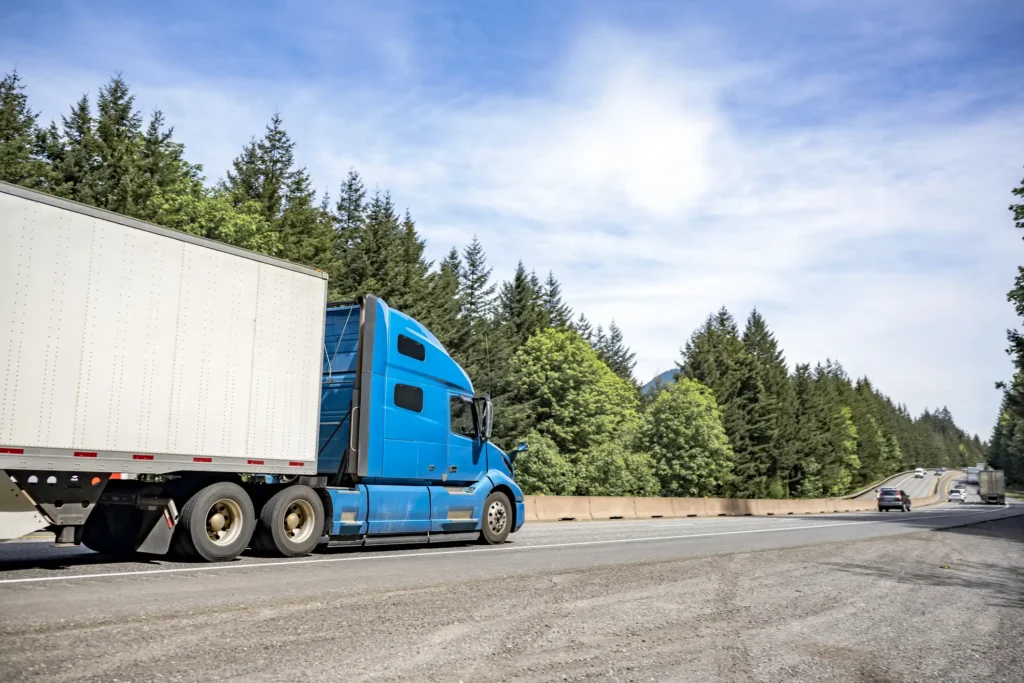
Booking cooled trucks before produce season arrives can save your firm thousands of dollars in freight bills.
Every year, huge waves of fresh fruit and vegetables roll north across the southern border. Open trucks vanish fast while spot rates climb week after week.
Waiting until the rush starts leaves shippers stuck with steep rates and late loads.
Even firms that never ship food feel the squeeze because the exact same trailers haul medical gear, electronics, and factory parts.
Smart cross-border shipping means locking in trucks before peak harvest waves hit the road.
Planning early gives your team steady rates and reliable pickup times while late planners fight for leftover trucks.
How Does Produce Season Tighten Border Truck Supply?
Warm farms across Mexico send massive crops north from late fall straight through spring.
That yearly rush pulls cooled trailers toward southern ports, draining Mexico-to-US equipment capacity across the whole freight market.
Because cooled trailers make up a much smaller fleet than standard dry vans, sudden demand jumps hit them hard.
Rising Freight Rates in 2026
Federal market data shows just how fast shipping bills jump when crops peak.
The U.S. Department of Agriculture (USDA) tracks truck rates for fresh crops moving north.
In the first quarter of 2026, Texas crossings averaged $3.69 per mile on trips of 501 to 1,500 miles, up 31 percent from a year earlier.
Arizona crossings averaged $3.41 per mile, up 18 percent over that span, while diesel fuel prices rose in both areas.
DAT also reported in early November 2026 that produce spot rates averaged $3.83 per mile across the 48 produce lanes DAT tracks, which is roughly 40 percent higher than the same week a year earlier.
Weekly Truck Shortages at Key Ports
Rate spikes tell only half the story during busy harvest months. USDA reports also grade truck supply on a scale from surplus to shortage.
Early 2026 data flagged clear truck shortages in South Texas during January and in Nogales during March.
Open truck supply can swing from balanced to tight in a single week.
What Steps Lock In Reliable Trucks Before the Rush?
Getting steady trucks during Mexican produce season takes early action rather than last-minute calls.
Following four simple steps protects your schedule before produce season shipping reaches top speed.
1. Share Weekly Load Forecasts Early
Talking with your freight team weeks before peak harvest helps them hold steady trucks for your lanes.
Sharing expected weekly load counts lets carriers plan ahead. Strong carrier ties often unlock better truck access when supply gets tight.
2. State Exact Trailer and Cooling Rules
Listing clear trailer rules on every order stops costly mistakes at pickup.
Always state your target heat setting, safe degree range, and whether the driver must bring a pre-cooled trailer.
Clear notes prevent dock rejections at drop-off.
3. Blend Contract Rates with Spot Loads
Relying only on the spot market leaves your budget open to sharp weekly rate jumps. Covering your core weekly loads with steady deals keeps base costs flat.
Using spot trucks only for extra loads keeps spending under control.
4. Pick Your Border Transit Method Early
Deciding whether goods stay in one trailer, swap tractors, or transfer at a cross-dock affects both speed and cost.
Locking in your border hand-off plan early stops messy last-minute delays at busy gates.
Which Southern Gateways Match Your Freight Origin Best?
Not every port fits every load moving north. Matching your pickup area to the right border gate cuts empty miles and saves transit days during US-Mexico shipping.
Pharr for South Texas Corridors
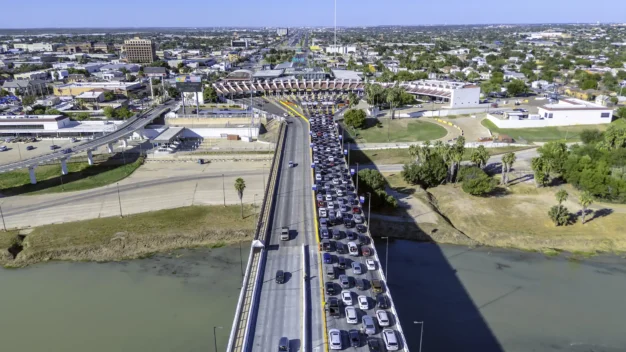
Industry guides point to Pharr as a top gate for freight moving through South Texas.
High broker counts and direct highway links make this crossing a smart fit for loads headed to central and eastern states.
Nogales for West Mexico Freight
Shippers moving goods out of western growing zones often rely on Nogales in Arizona.
Checking weekly supply trends here helps teams stay ahead of sudden spring truck shortages.
Otay Mesa and Calexico for West Coast Routes
Loads headed to California and Pacific states move smoothly through Otay Mesa or Calexico.
Asking your carrier which local port fits your exact drop-off city keeps transit times short.
How Can Shippers Prevent Costly Delays at the Gate?
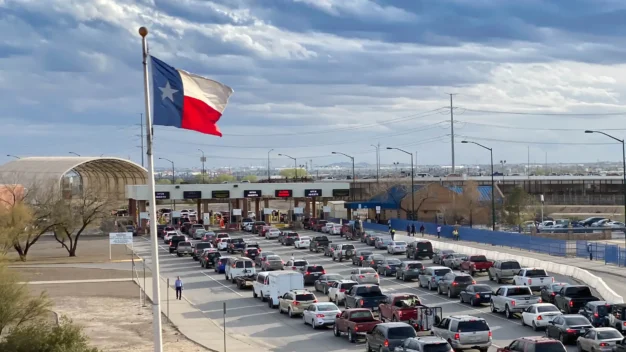
Long border lines become even harder to manage when harvest traffic peaks. Adding three simple safeguards keeps your cross-border freight moving when gates get crowded.
Review Customs Papers Before Dispatch
Missing forms remain a top reason trucks get held at the border. Checking every invoice and manifest with your customs broker before pickup day stops gate holds before they start.
Line Up a Second Carrier and Backup Port
Knowing your backup carrier and second crossing ahead of time costs nothing to set up. Having a ready Plan B rescues your schedule if one gate stalls.
Build Extra Buffer Time into Delivery Dates
Waiting until trucks feel scarce leaves only pricey, leftover options on the board. Adding extra transit days to your schedule protects your delivery promises to buyers.
Why Partner with Jansson LLC During Produce Season?
Trying to find scarce trucks in the middle of a harvest rush wastes time and hurts profits.
As a trusted Landstar freight agent, Jansson LLC helps U.S. firms lock in steady trucks before produce season squeezes the market.
Our freight team connects your loads with vetted drivers across North America to keep your domestic and border legs running right.
Whether you ship fresh crops or factory parts that share the same trailer pool, we help you plan routes, check cooling specs, and secure reliable capacity early.
Schedule a quick call with our freight desk today to review your upcoming lanes and lock in your trucks before peak demand hits!