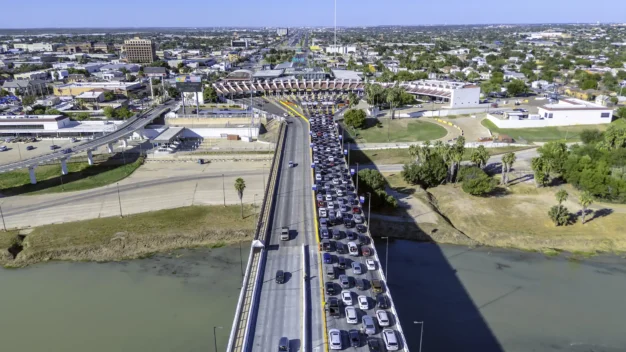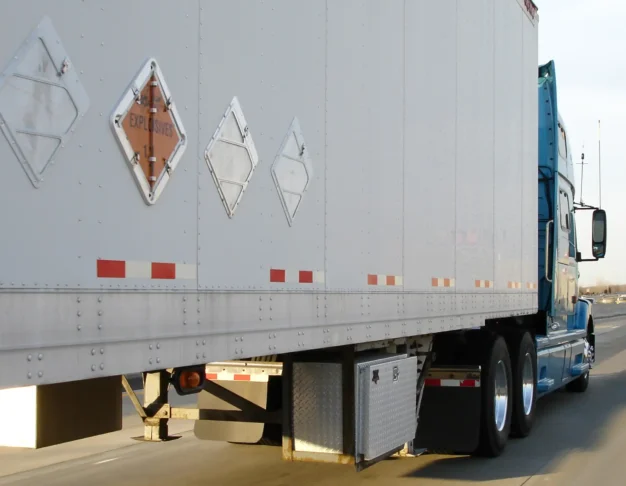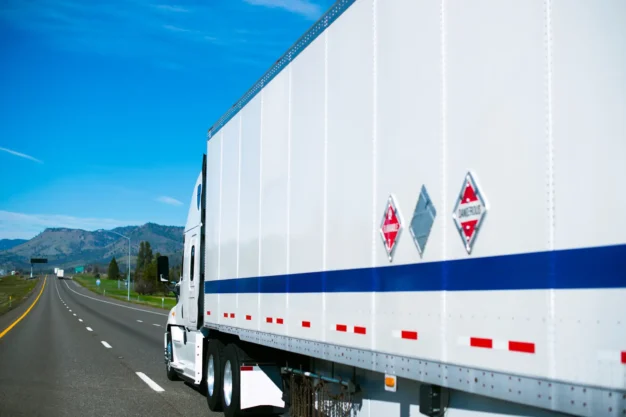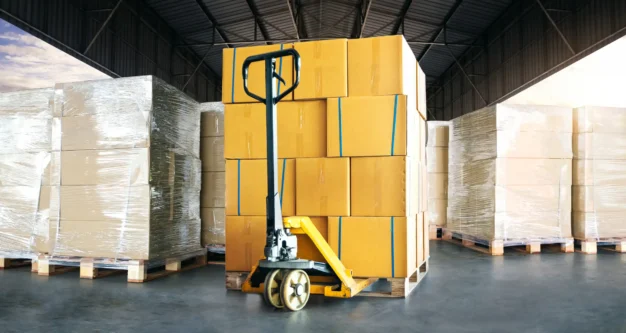
Picking the smartest border crossing to Mexico can save your freight days of costly delay.
Many shippers assume the best border crossing to Mexico is simply the one with the shortest line at the gate.
Real speed actually depends on where your cargo must land inside the country. Laredo, El Paso, and Otay Mesa each serve very different regions of Mexico.
Matching your port to your final drop-off city keeps trucks rolling and saves fuel.
Smart cross-border shipping begins long before a truck reaches the Rio Grande or the Pacific coast.
Choosing the wrong port forces drivers onto longer roads and adds extra fees. Looking at trade numbers, local routes, and live gate times helps you pick the best path every time.
Why Does Your Final Destination Decide the Best Border Crossing to Mexico?
Every land port has its own traffic flow, carrier base, and road links. A gate built for huge auto parts loads might slow down a smaller truck headed to a coastal plant.
What 2025 Trade Data Shows About the Big Three
Federal numbers prove just how much North American trade relies on highway trucks.
The Bureau of Transportation Statistics reported that U.S.-Mexico trade reached about $872.8 billion in 2025.
Trucks moved 73.6 percent of that value.Laredo led all land ports with roughly $344.6 billion in total trade, including about $296.2 billion by truck.
Otay Mesa moved about $60.0 billion in goods, with roughly $58.6 billion carried by truck. El Paso handled about $26.9 billion in freight, including around $12.1 billion by truck.
Keep in mind that the Bureau of Transportation Statistics lists nearby gates as separate ports, so these totals show each port alone.
Why Bigger Ports Are Not Always Faster
High freight volume brings plenty of customs brokers, warehouses, and open trucks.
That heavy traffic also creates long lines during peak afternoon hours.
Smaller ports often clear trucks faster on a given morning.
Still, a quick gate only saves time if that road leads straight to your buyer.
Which Regional Gateway Fits Your Supply Chain Best?
Matching your U.S. pickup state with the right Mexican hub cuts hundreds of empty miles off your trip.
Each of the three major gates shines for certain cargo types and regions.
Laredo for Monterrey and Central Mexico
Serving as the main road to Monterrey and central cities, this Texas port offers strong broker support.
Shipping early in the day with complete customs papers helps drivers beat peak lines.
El Paso for Chihuahua and the Central Plateau
Linking straight to Ciudad Juárez, this port fits firms moving goods into north-central Mexico.
Freight coming from the U.S. Southwest or West saves big miles here, though drivers should check local bridge hours first.
Otay Mesa for Baja California and the West Coast
Connecting right into Tijuana, this California port serves as a major hub for medical gear and electronics. Almost all freight here moves by truck, making it ideal for California and West Coast shippers.
Different cargo types also need special care at each gate.
Sensitive electronics and medical parts moving through Otay Mesa require tight appointment times and smooth air-ride trailers.
Talking with your carrier early ensures your truck setup matches your cargo needs.
How Do North American Shippers Manage Multi-Border Freight Networks?
Many growing firms move goods across both northern and southern borders every week.
Teams that already handle cross border shipping US to Canada quickly see that southern ports run on a very different rhythm.
Northern lanes often allow smooth through-trailer trips, while southern loads need close teamwork between U.S. carriers, customs brokers, and local transfer trucks.
Working with trusted cross border shipping companies takes the stress out of these regional rules.
Good partners build smart cross border shipping solutions that line up dock times, customs papers, and driver hand-offs before your load leaves the warehouse.
What Three Steps Keep Border Delays Off Your Schedule?
You do not need luck to keep cross-border freight moving on time. Following a simple three-step plan before pickup stops most common gate delays.
1. Map the Final Delivery City First
Finding your buyer’s exact drop-off dock in Mexico narrows down your best port right away.
Picking the gate closest to that main highway route usually settles the choice in minutes.
2. Check Live Commercial Truck Wait Times
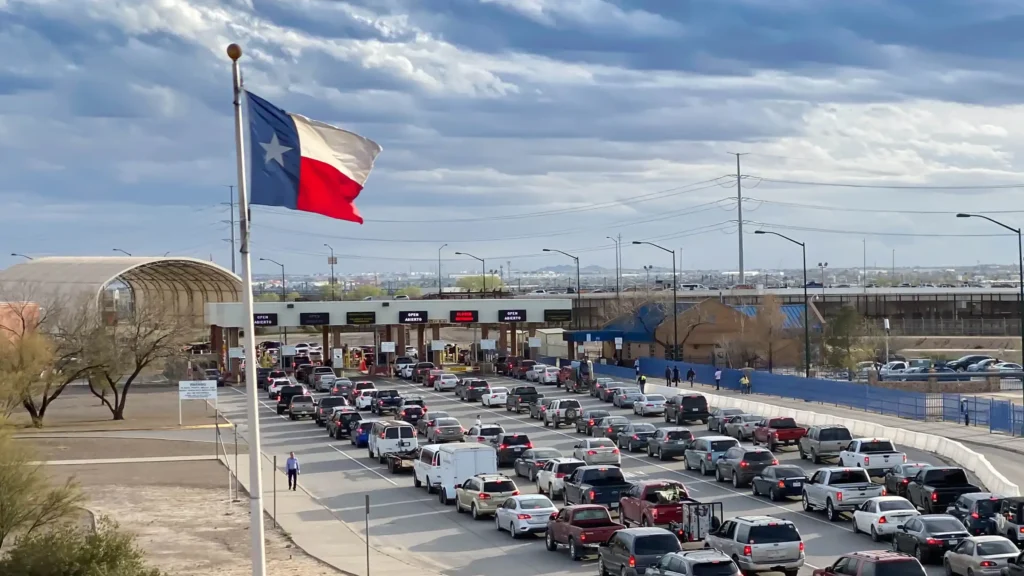
Gate lines change every hour based on checks and shift swaps. Customs and Border Protection posts live border wait times online so teams can spot delays early.
Because many public web pages show passenger car lanes, always ask your driver to check truck lanes.
3. Lock In a Backup Crossing
Smart planners pick a second port before the truck ever leaves your dock. Having a backup plan ensures one road closure or inspection surge never stalls your freight.
Guessing on these three steps adds extra miles, wasted fuel, and missed dock times. Most border delays come from weak route planning rather than bad luck.
How Does Jansson LLC Support Your Border Crossing to Mexico?
Choosing the right port is much easier when you have seasoned logistics experts on your side.
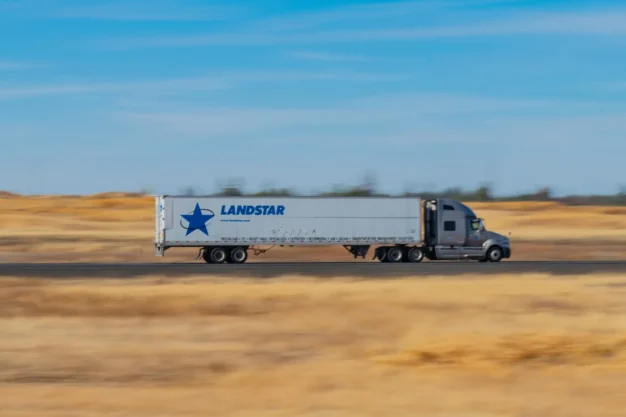
As a trusted Landstar agent, Jansson LLC helps U.S. firms plan and run the U.S. leg of every border crossing to Mexico with ease.
Our freight team matches your load with vetted drivers across the Midwest, Southwest, and West Coast to move your goods safely from your dock to the border zone.
We check lane timing, confirm truck space, and help you avoid costly delays before pickup day. Having one dedicated partner keeps your shipments on track from origin to hand-off.
Schedule a quick strategy call with our freight desk today to map out your southern lanes and keep your cross-border loads rolling right on time!