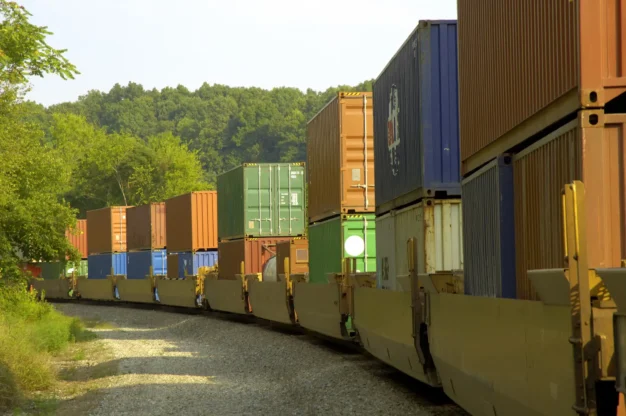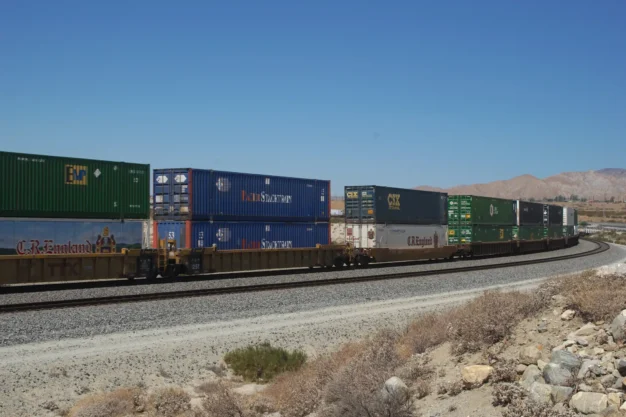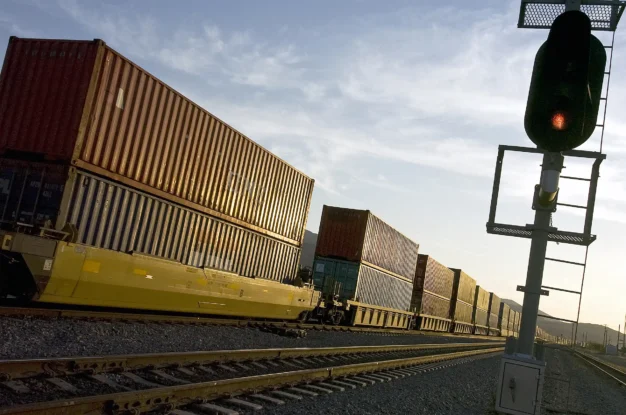
Using modern intermodal shipping is a smart way to move cargo across North America. It helps businesses avoid high highway trucking costs.
Moving freight between Canada, the United States, and Mexico can bring big border delays. In the past, rail cars had to switch tracks between different rail lines.
Each hand-off added extra days. Hand-offs also piled on paperwork and raised the risk of cargo damage.
Today, CPKC runs a direct rail line that links all three nations. But running a smooth cross-border supply chain takes more than just a train ride.
Shippers must set up local pickup trucks. They must also clear customs and handle final deliveries.
Learning how single-line rail routes work with a dedicated freight agent helps you unlock steady savings.
What Does Single-Line Service Mean in the Rail Industry?
Most cross-border train journeys are interline shipments where multiple rail companies share the track.
Multi-Rail Bottlenecks and Transfer Yards
One railroad moves your container toward a major hub. Next, another line takes the train car at a transfer yard.
Midpoint hand-offs often create bottlenecks where cars sit for days while crews swap equipment.
Seamless Transit on a Single Network
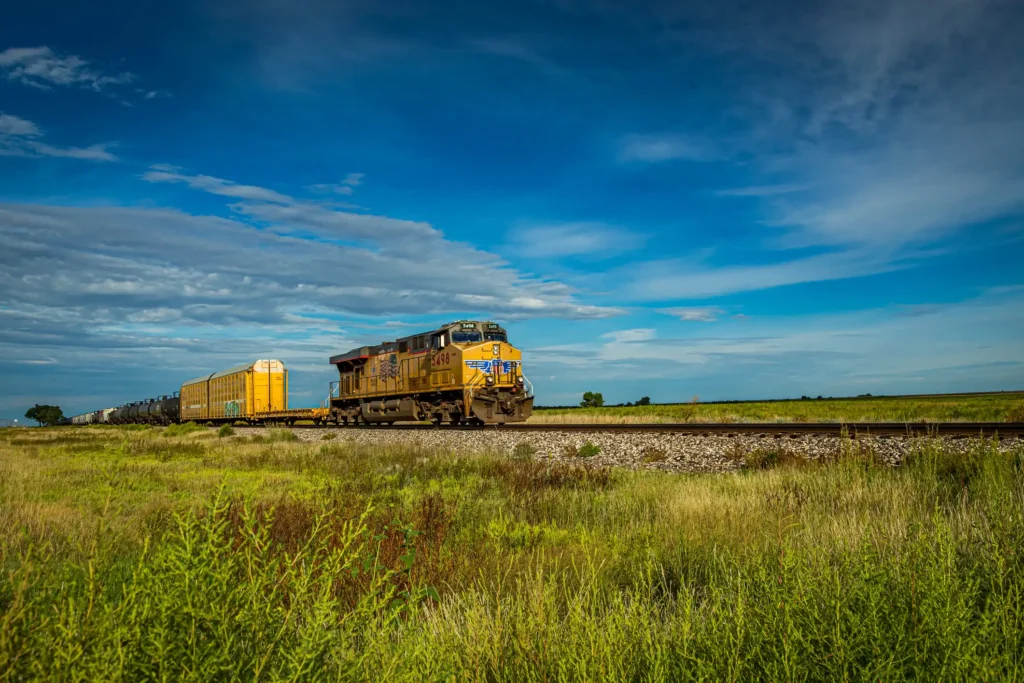
In contrast, CPKC operates the only direct rail line running through Canada, the U.S., and Mexico. Your container stays on the same line from start to finish.
This setup transforms cross-border intermodal shipping by eliminating hand-offs and speeding up deliveries.
Why Can Most Shippers Not Book Trains Directly with CPKC?
Many business owners wonder why they cannot just call a railroad like CPKC to move their boxes.
Wholesale Railroad Operations
Major railroads act as wholesale carriers rather than retail shipping partners. These rail giants move massive unit trains carrying coal, grain, and thousands of containers.
Because rail companies focus on track operations, they do not offer customer service for smaller companies.
Ramp-to-Ramp vs. Door-to-Door Realities
Rail lines only provide ramp-to-ramp transit between distant yards. Trains stop at a central depot where rail work ends.Railroads will not send a truck to your dock to pick up cargo.
Managing reliable intermodal shipping requires close teamwork between road drivers, rail yards, and warehouse docks.
How Does Single-Line Track Access Speed Up Freight Corridors?
Direct rail routes solve the bottleneck problems that have slowed cross-border trade for decades.
Dedicated Daily Cross-Border Corridors
CPKC runs the Mexico Midwest Express to connect vital markets. This premium train links hubs like Chicago directly with factory centers in Monterrey and San Luis Potosi.
Transit times take about four days on this dedicated run.
Expanded Border Bridge Capacity at Laredo
A second international rail bridge opened in Laredo, Texas, to ease southern border traffic. This bridge doubled train crossing capacity at the nation’s busiest commercial gateway.
Keeping intermodal freight moving on a single track gives shippers reliable transit times that rival highway trucking.
Why Is Local Drayage the Real Key to Successful Rail Shipping?
Booking space on a train is only half the battle when managing cross-border intermodal shipping lanes.
First-Mile and Last-Mile Truck Coordination
Local truckers, known as drayage drivers, haul your container from your dock to the rail ramp. Another drayage trucker meets the train at the destination yard to deliver the container to your buyer.
Preventing Expensive Yard Storage Fees
Railroads give shippers very little free time to grab boxes once they arrive at the ramp. When your driver does not show up on time, the railroad bills steep daily storage fees.
A dedicated freight partner lines up dependable drayage drivers so you never pay costly penalties.
What Customs Rules Still Apply to Cross-Border Trains?
Running freight on a single rail line does not mean you can skip international customs checks.
Paperwork Errors That Cause Border Delays
Shippers need accurate commercial invoices, tariff codes, and complete cargo paperwork before the train rolls. Border officers will hold the entire rail car until you fix any mistakes.
Smooth Customs Clearance Through Professional Brokerage
Working with an experienced freight broker ensures your customs paperwork lines up before shipping day. Skilled dispatchers check entry documents well in advance.
Clean paperwork guarantees your cargo rolls through border checkpoints without surprise delays.
When Does Rail Beat Highway Trucking for Commercial Cargo?
Deciding between trucks and freight trains depends on your budget, cargo weight, and delivery timeline.
Distance Thresholds for Lower Rail Costs
Over-the-road trucking is slightly faster, but it costs much more money per mile. Highway diesel prices jump often, making fuel surcharges unpredictable.
Choosing intermodal shipping is the smarter choice for heavy loads traveling more than seven hundred miles.
Better Fuel Efficiency and Carbon Savings
Trains carry huge amounts of weight while burning far less fuel per ton than highway trucks. Shifting your standard cargo to rail cuts your company’s shipping bills while shrinking your carbon footprint.
How Does Jansson LLC Deliver Seamless Door-to-Door Intermodal Solutions?
Handling cross-border rail networks is simple when you have a proven freight partner on your side.
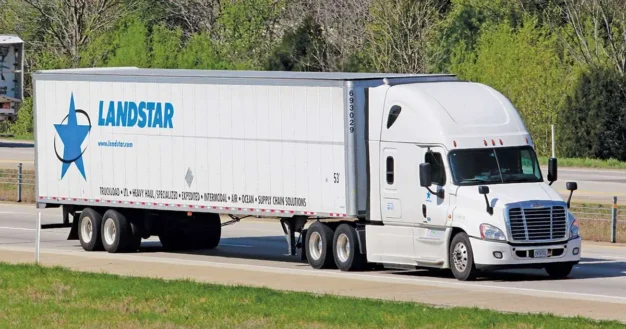
Operating as an authorized Landstar freight agent, Jansson LLC helps U.S. businesses move secure intermodal freight across North America.
Equipment Sourcing and Milestone Tracking
Our team does not just book train space on top lines like CPKC. We arrange local drayage trucks, supply 53-foot containers, and secure chassis equipment before pickup day.
Shippers get daily tracking updates, clear billing, and fast customer service.
How Does Jansson LLC’s Fleet Back Up Your Intermodal Shipping?
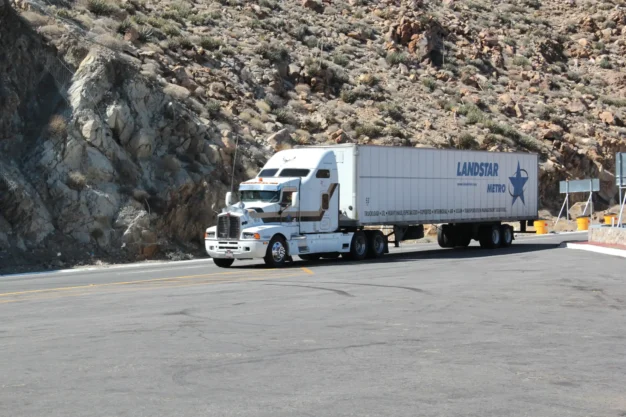
If rail yard congestion threatens your schedule, our team can quickly move hot loads onto Landstar’s huge highway truck fleet.
Partnering with Jansson LLC gives your business the cost savings of rail paired with a nationwide carrier network.
Connect with the team at Jansson LLC today to review your cross-border lanes and build a dependable door-to-door intermodal shipping plan!