Vetting a hazmat broker takes more than a rate quote. A low price means little if the carrier is not registered, not insured, or not trained.
One bad hand off can lead to fines, delays, or a safety incident.
These ten questions help you check a partner before you dispatch dangerous goods.
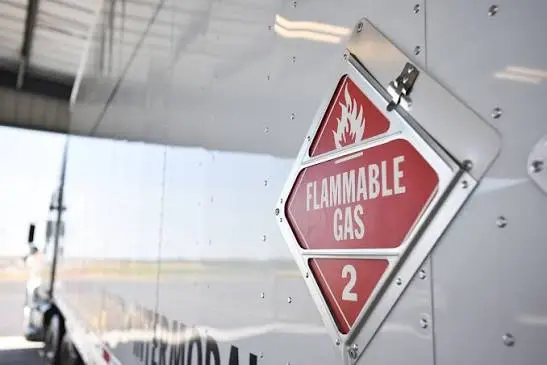
Dangerous goods, also called hazmat, can harm people or property if handled the wrong way.
What Does a Hazmat Broker Do for Your Business?
A hazmat broker arranges transport for you. The broker connects your dangerous goods with carriers that can legally haul them.
Brokers do not move the freight themselves.
Hiring one does not remove your duties as the shipper. You still need correct packaging, labels, and shipping papers.
A strong hazmat broker helps you get these right. Weak brokers leave gaps that land on your desk.
Is Your Hazmat Broker Set Up the Right Way?
Start with the basics. If a partner cannot prove who they are, stop there.
1. Are You Active and Properly Bonded?
Brokers need a federal permit from the FMCSA, the agency that oversees trucking.
It is called operating authority.
Brokers must also keep money set aside, called financial security, to pay claims. FMCSA says brokers must hold at least $75,000.
Under its updated rule, FMCSA can suspend a broker’s permit if that falls below $75,000 and is not fixed within 7 days of notice.
Ask for the MC number. Then check the status yourself on FMCSA’s site.
2. Are Your Carriers Registered With PHMSA?
PHMSA is the federal agency that sets hazmat safety rules.
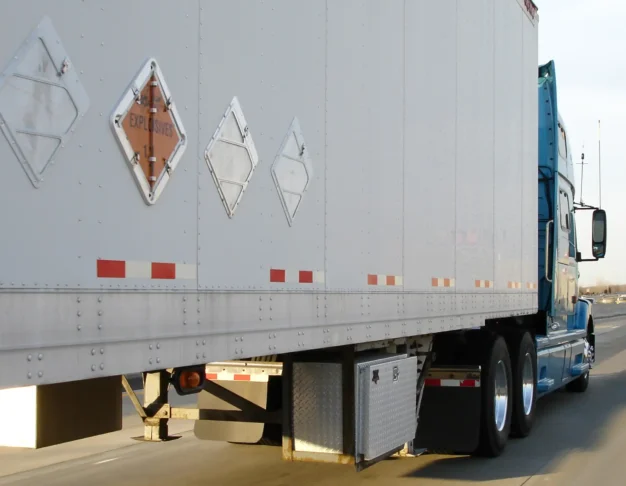
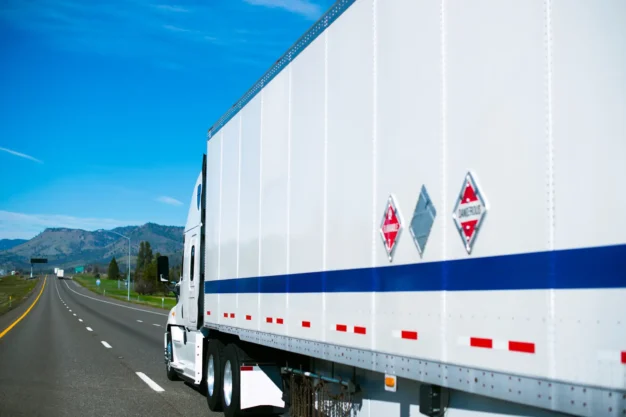
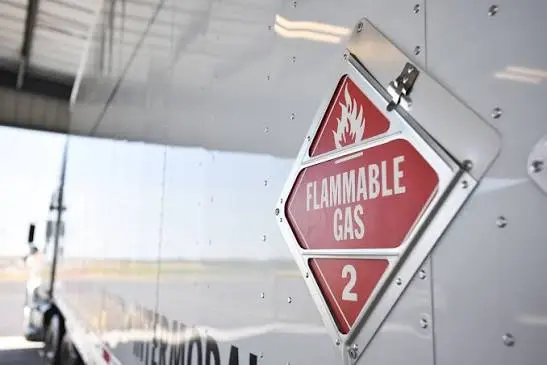
Carriers that haul loads needing hazard signs, called placards, must register with it. Each truck must carry proof of that registration.
You can search a company’s registration in PHMSA’s portal, but you need a login. Ask to see the number.
Is There a Freight Broker Hazmat Certification?
Many people search for a freight broker hazmat certification. Federal rules focus on three things instead.
They are FMCSA authority for the broker, PHMSA registration for carriers, and hazmat training for staff who do regulated tasks.
Ask for proof of each one.
Do Their Carriers Have the Right Insurance and Safety Record?
Insurance protects you when things go wrong. Safety data shows how likely that is.
3. What Insurance Do Your Carriers Carry?
FMCSA sets higher minimums for hazmat than for other freight. For-hire carriers of certain hazmat need at least $1 million.
Carriers of explosives, poison gas, or radioactive materials need $5 million.
Ask for certificates. Do not accept a verbal answer.
4. How Do You Screen Carrier Safety?
Ask what data they check before they assign a load. A good partner reviews FMCSA safety records and past violations.
They also drop carriers that fall short. Ask for examples.
Are Their People Trained for Dangerous Goods?
Rules are only as good as the people who follow them. Ask how a partner trains its own team and its carriers.
5. How Do You Train Your Team?
Hazmat employees must be trained within 90 days of starting. Training must repeat at least every three years.
Employers must keep records. Ask to see them.
6. Are Your Drivers Trained for Hazmat?
A driver who handles hazmat must meet federal training rules. Ask how the partner confirms this for each carrier.
Do They Handle Paperwork and Emergencies Well?
Most hazmat trouble starts on paper. Clear papers and a live emergency line protect everyone on the road.
7. Who Checks the Shipping Papers?
Shipping papers need the right description in the right order.
They also need an emergency phone number and a signed statement from the shipper that the load is prepared correctly.
Ask who reviews them and when. A second set of eyes catches mistakes.
8. Who Answers the Emergency Number?
Someone must be on call for that number at all times. That person must know the hazards or have quick access to someone who does.
PHMSA has said call-back services and answering machines do not meet the rule. Call the number yourself.
If no one answers, move on.
Can You Trust Who Hauls Your Freight?
These last questions show how a partner handles pressure. Trust comes from clear names, clear prices, and clear answers.
9. Who Will Actually Haul My Freight?
Ask for the carrier’s name before pickup.
Then ask how they prevent double brokering, which is when a broker hands your load to another broker without telling you.
A partner who hides the carrier is a red flag. You should be able to track the load and know who is behind it.
10. What Happens When Something Goes Wrong?
Ask how they handle delays, rejected loads, and claims. Also ask how they price hazmat fees and extra services.
Get it in writing. Clear answers now prevent arguments later.
How Should You Use This List?
Treat these questions as a conversation, not a quiz. Good partners welcome them. Weak partners dodge them.
Score the Answers
Give each answer a simple mark.
Clear and documented is a pass. Vague or delayed is a warning. A refusal is a fail.
Compare each hazmat freight broker side by side.
Repeat the Review
Carriers change. Insurance expires. Review your partners each year and after any incident.
Why Choose Jansson LLC as Your Trusted Hazmat Broker?
Hazmat shipping leaves little room for guesswork. A clear plan and the right carrier make a real difference.
Jansson LLC is a Landstar freight agent with access to a nationwide carrier network. That includes experienced operators who know hazmat paperwork and handling.
Use this list with any partner, including us.
Need hazmat shipping services? Want help choosing a carrier? Keeping your papers in order?
We match your freight with the right partner and keep the details moving.
Contact Jansson LLC today. Let’s get your hazmat freight moving with confidence.