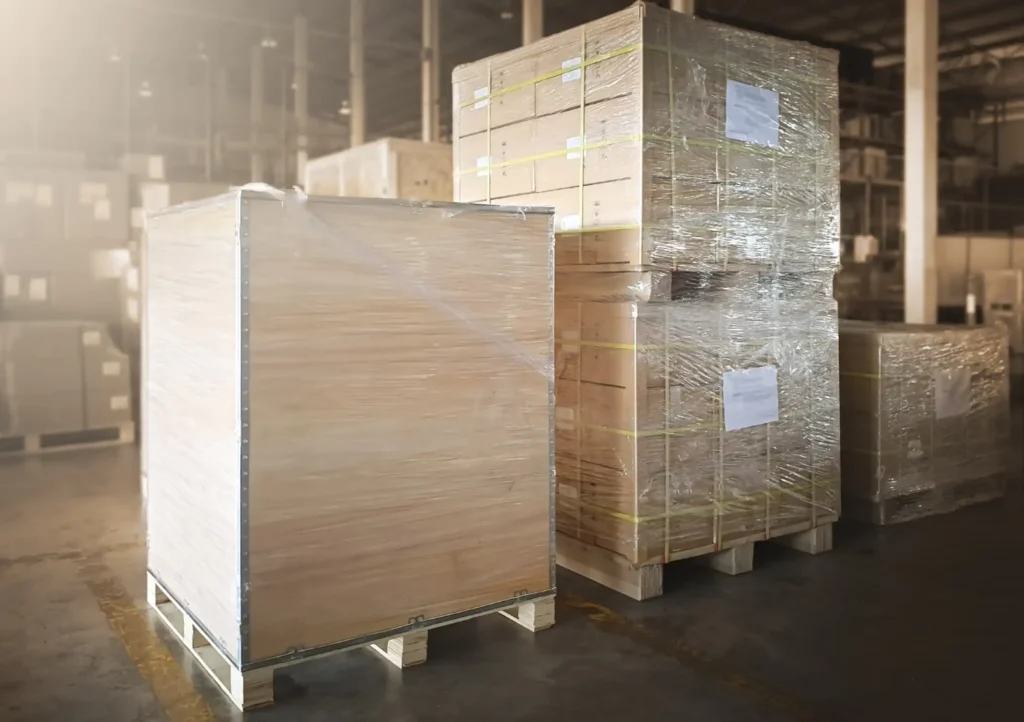
Receiving a sudden LTL reweigh charge on your monthly freight bill creates an unpleasant budget surprise for busy warehouse managers.
Carrier adjustments hit up to a quarter of all palletized shipments across the country, turning predictable freight bills into major financial headaches.
Freight carriers routinely add inspection penalties ranging between $125 and $300 whenever their terminal scales report higher numbers than your original bill of lading.
Inaccurate measurements also bump your cargo into a higher freight class, compounding the overall cost increase.
Shippers moving one hundred pallet loads every month often lose up to $30,000 every year because they simply pay these adjusted invoices without checking the numbers.
Learning how to dispute inaccurate inspection certificates allows you to recover lost capital and protect your company bottom line.
Why Are Freight Terminals Suddenly Changing Your Invoice Totals?
Modern trucking hubs rely on automated laser scanners and computerized forklift scales to measure pallets the moment they arrive.
National Motor Freight Traffic Association (NMFTA) rules now classify general freight strictly by density rather than product type alone.
Scanning machines calculate length, width, and height in seconds as forklifts unload trailers across the terminal dock.
Forklift operators issue an official Weight and Inspection certificate whenever digital terminal measurements disagree with your shipping paperwork.
That single certificate immediately overrides your original bill of lading and triggers an unexpected LTL reweigh on your final invoice.
Missing pallet height notations or irregular packaging shapes trick automated lasers into recording larger dimensions.
Non-stackable pallets cause severe issues because terminal sensors measure them up to the full ninety-six-inch trailer ceiling.
Doubling your recorded pallet volume pushes your shipment into an expensive classification tier that inflates standard LTL reweigh rates overnight.
Shippers must realize that terminal adjustments are not permanent judgments set in stone.
Carriers make mistakes during hectic unloading hours, creating clear opportunities for alert shippers to challenge unfair charges.
What Evidence Do You Need to Overturn an Unfair Inspection Certificate?
Winning a carrier billing dispute requires solid physical evidence created before the truck ever leaves your loading dock.
Carriers dismiss vague complaints instantly, but they take written documentation backed by photos very seriously.
Requesting Official Terminal Records
Obtaining the carrier’s official inspection certificate and original terminal photos serves as your first essential step.
Digital inspection photos reveal whether the carrier measured shifted packaging, broken pallets, or completely unrelated freight.
Comparing those terminal pictures against your original shipping records highlights obvious mechanical scanner errors.
Origin Scale Tickets and Dimensions
Certified scale tickets from your own shipping warehouse prove your true cargo weight before departure.
Taking clear photographs of wrapped pallets with measuring tapes visible provides undeniable proof of actual dimensions.
Precise weight logs recorded on calibrated warehouse scales eliminate guesswork when carriers claim unexpected overages.
Photographic Proof and Success Rates
Industry data shows that shippers who present photo proof win up to ninety percent of their billing appeals.
Without visual evidence, dispute success rates plummet down to twenty percent against carrier records.
Documenting your LTL freight properly before pickup gives you the leverage needed to challenge false terminal claims.
Clear records establish a solid factual foundation that makes it impossible for carriers to brush off your inquiry.
How Can Shippers Successfully Challenge Billing Discrepancies?
Submitting a formal appeal requires a structured approach that tackles carrier data methodically. Knowing how to navigate carrier claim systems prevents endless back-and-forth email chains that lead nowhere.
Auditing Terminal Calculations
Reviewing the carrier’s own reported math serves as the best starting point for any formal appeal.
You should multiply length, width, and height in inches, divide that total by 1,728 to find cubic feet, and divide weight by cubic feet to verify density.
Math errors made by terminal technicians represent the easiest disputes to win. Pointing out simple mathematical blunders forces the billing department to correct the entry immediately.
Assembling the Digital Claim Package
Filing your dispute through the carrier’s online claims portal creates an auditable paper trail that phone calls cannot match.
Always attach your bill of lading, calibrated origin scale ticket, terminal photos, and density math to the claim ticket.
Mentioning published carrier weight tolerances also helps, as many trucking lines forgive small discrepancies of two to three percent.
Specific evidence makes it much simpler for adjusters to credit back an unwarranted LTL reweigh fee.
Claim Deadlines and Management Escalation
Most trucking companies enforce strict thirty to sixty-day dispute deadlines, making quick action vital to overturn an LTL reweigh.
Escalating the claim to a regional freight billing supervisor often resolves disputes if front line agents reject your evidence without cause.
Persistence paired with organized documentation ensures carriers review your challenge fairly.
Professional communication focused on verifiable data speeds up approval times and gets money credited back to your account.
How Does Accurate Pre-Shipment Planning Lower Your Overall Shipping Costs?
Preventing paperwork mismatches on the loading dock remains the best way to avoid inspection disputes entirely.
Warehouse crews should standardize pallet wrapping to eliminate bulging edges that trigger laser sensors.
Tight plastic shrink-wrap keeps boxes compact and prevents cartons from shifting during transit. Including pallet base dimensions and exact vertical heights on every bill of lading prevents automated measurement surprises.
Knowing updated National Motor Freight Classification codes prevents sudden classification upgrades during transit.
Regular maintenance of warehouse platform scales guarantees that declared cargo weights match reality.
Streamlining warehouse packaging protocols protects your business against an expensive LTL reweigh across every shipping lane.
Efficient packaging habits reduce invoice adjustments while keeping your overall LTL shipping budget predictable.
Consistent dock routines turn freight shipping from a chaotic chore into a dependable, cost-effective operation.
Proactive warehouse management saves far more money than fighting endless invoice disputes after deliveries finish.
How Does Jansson LLC Protect Your Business from a Costly LTL Reweigh?
Navigating complicated classification codes and disputing carrier invoices requires time and specialized logistics expertise.
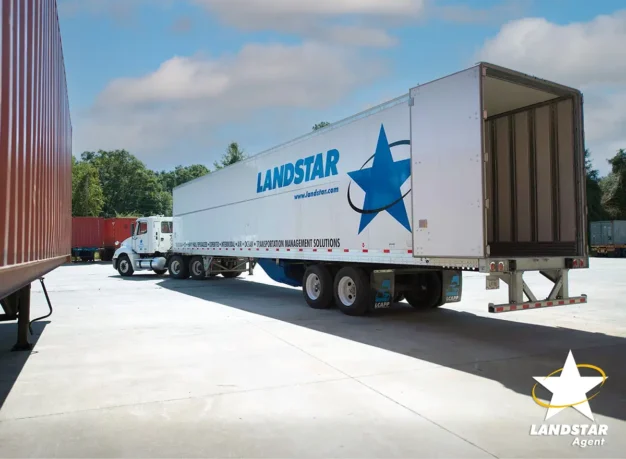
Jansson LLC operates as an authorized Landstar freight agent, connecting American businesses with a trusted nationwide carrier network.
Experienced logistics coordinators evaluate carrier billing reliability and classification practices long before matching trucks to your freight.
Choosing proven transportation partners keeps your supply chain compliant and removes the stress of dealing with an unexpected LTL reweigh.
Protecting your bottom line from inflated freight bills starts with having an experienced team on your side. Stop letting surprise terminal inspections erode your shipping budget!
Contact Jansson LLC today to secure reliable transport support and safeguard your LTL freight from unfair billing adjustments.