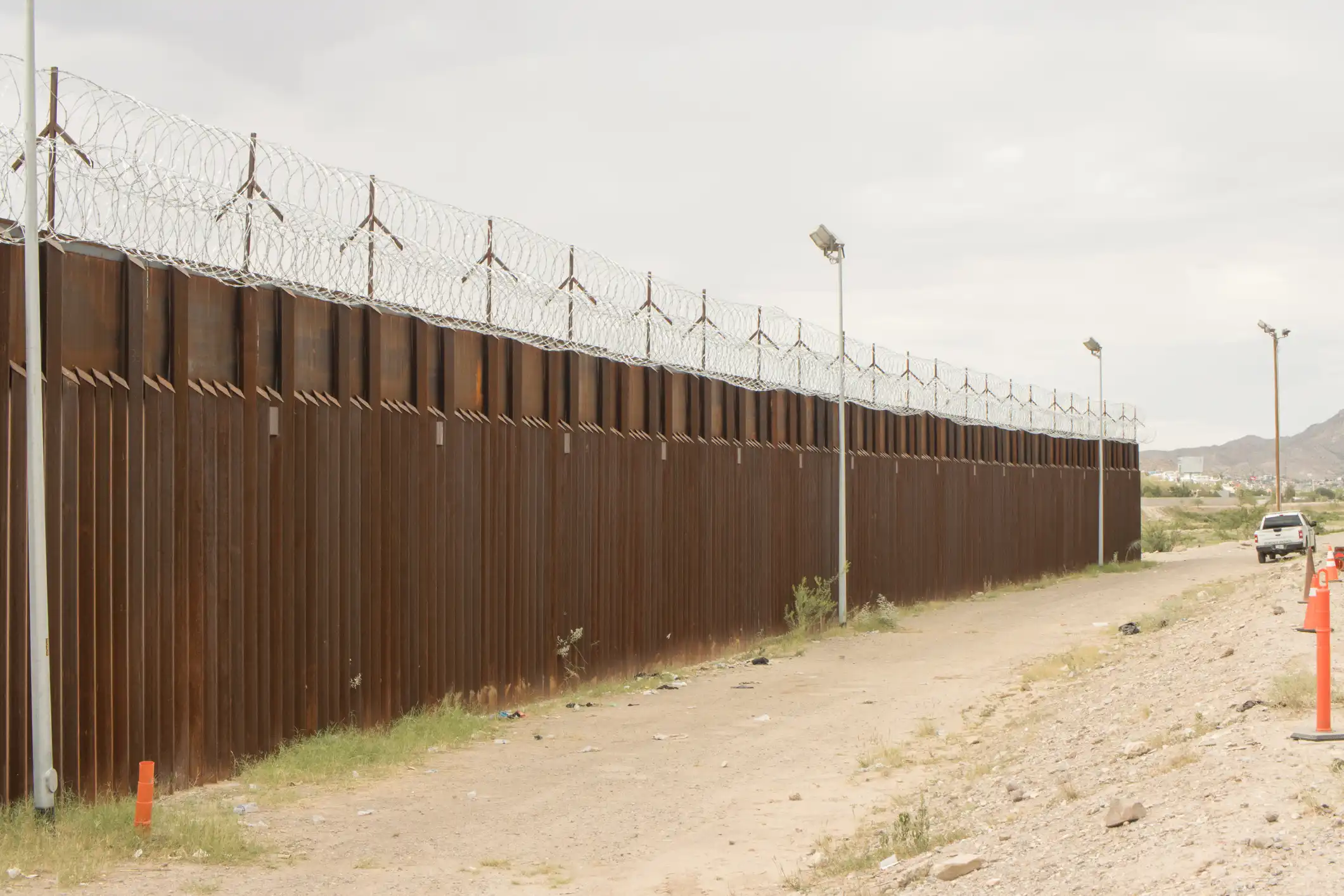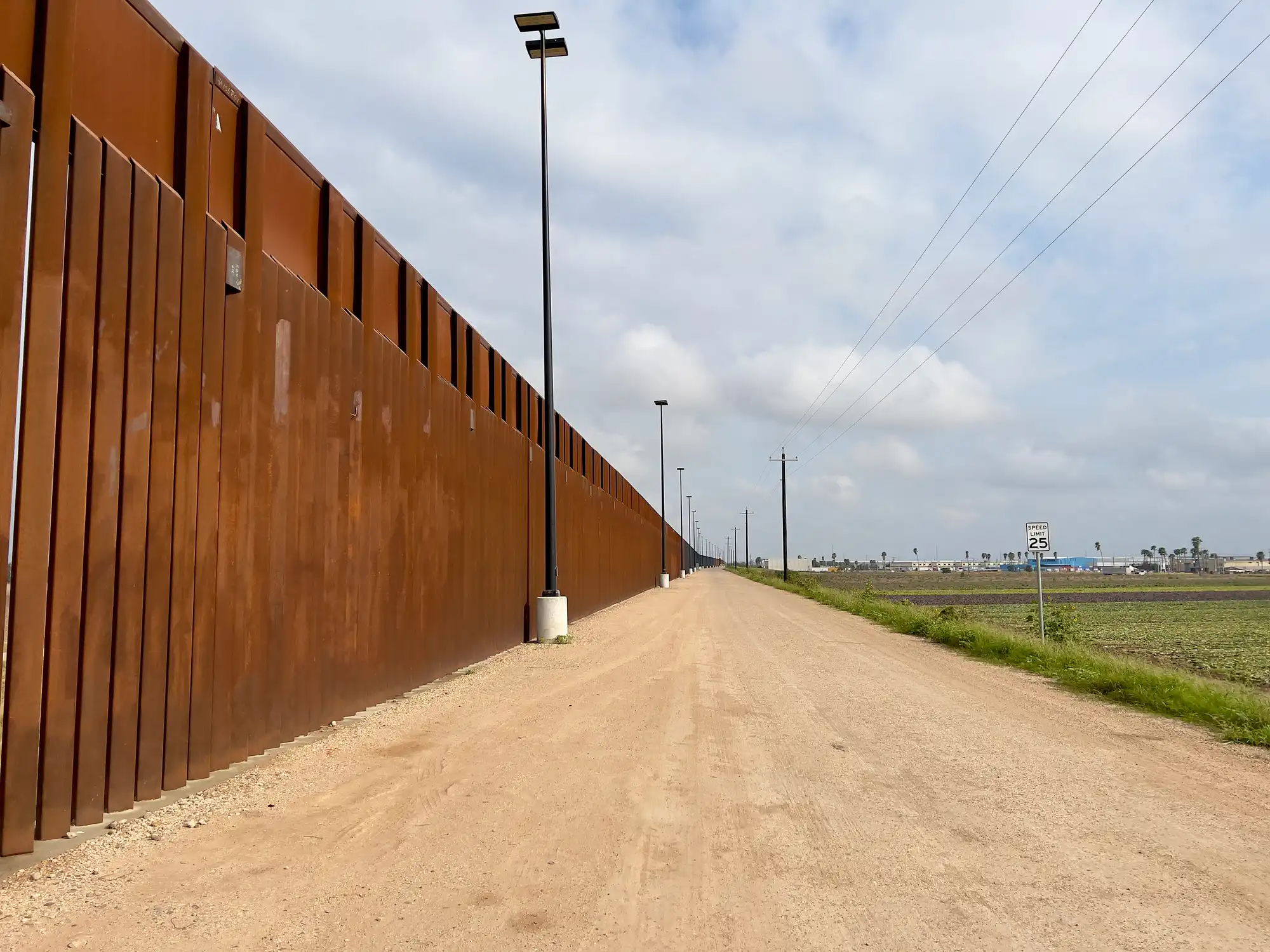
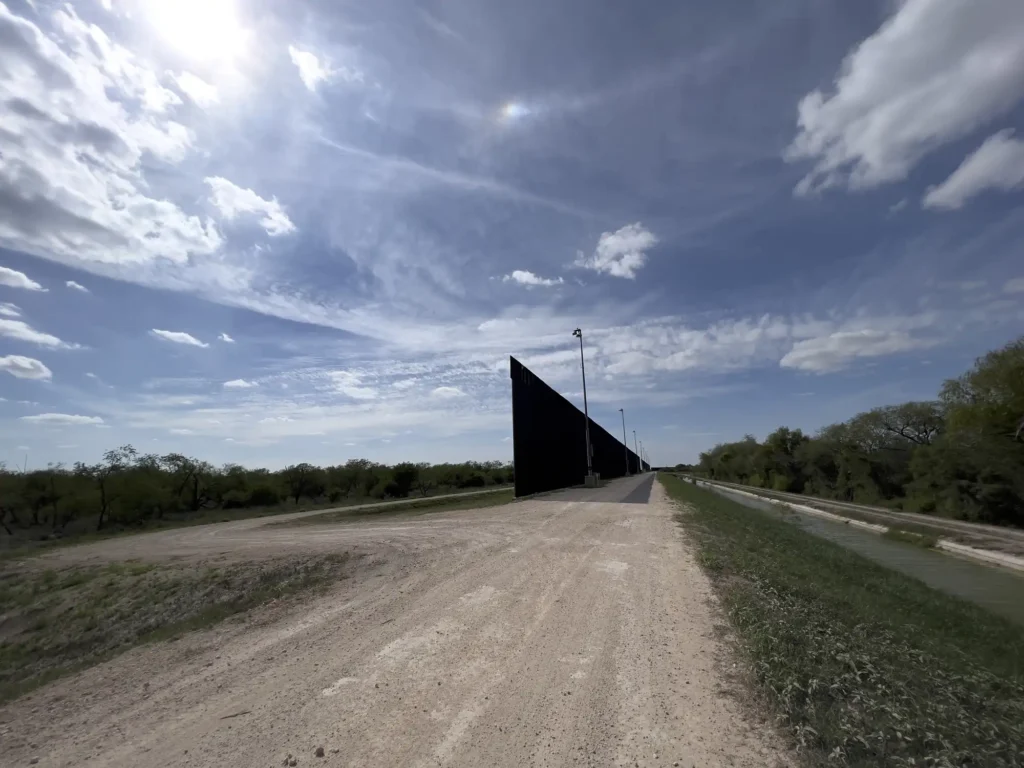
The Port of Laredo, Texas, remains the premier gateway for North American trade, facilitating over $296.2 billion in annual freight. Laredo alone handles almost 6 million truck crossings annually.
Otay Mesa, California, is the largest commercial crossing on the California-Mexico border — handling more than 1.4 million truck crossings per year and the second-highest volume of commercial trucks among all U.S.-Mexico land border crossings.
Both ports handle enormous freight volumes. Both connect the U.S. to Mexico’s manufacturing base. And both have fundamentally different characteristics — in geography, in infrastructure, in wait time profiles, and in the commodity flows they are best suited for.
Choosing the wrong port of entry for your specific freight lane does not just add miles. It adds cost, dwell time, and compliance complexity that compounds across every shipment in your network.
Here is how to evaluate the two.
Laredo: Why It Handles More Than 40% of All U.S.-Mexico Truck Trade
Laredo’s dominance is structural. It sits at the convergence of I-35 — the primary north-south corridor connecting Mexico City to San Antonio, Austin, Dallas, and beyond — and the Colombia-Solidarity Bridge, which provides a second crossing just 20 miles away as a congestion relief valve.
Laredo, TX, stands out with an average of 2,656,026 truck crossings per year, significantly surpassing other land ports.
That volume is a double-edged characteristic. Laredo’s infrastructure is sized for high throughput — multiple bridges, a dedicated World Trade International Bridge for commercial freight, and FAST lane access for C-TPAT certified carriers. The result is that despite the volume, Laredo maintains relatively low wait times compared to smaller crossings with less dedicated commercial infrastructure.
What Laredo Is Best For
Laredo is the natural port of entry for freight moving between the central and eastern United States and Mexico’s industrial heartland — the manufacturing clusters in Monterrey, San Luis Potosí, Guanajuato, and the Bajío region.
Automotive components, industrial machinery, consumer goods, electronics, and agricultural products all move heavily through this corridor. If your origin or destination is east of New Mexico — Texas, the Midwest, the Southeast, the Northeast — Laredo is almost certainly the most efficient routing.
The Colombia-Solidarity crossing 20 miles north of Laredo provides practical congestion relief. During peak periods when Laredo’s primary bridges are running extended wait times, carriers with established relationships can reroute through Colombia without adding significant mileage to the haul.
Otay Mesa: The Gateway for West Coast and Pacific Rim Trade
Otay Mesa serves an entirely different geographic function. It connects San Diego — and by extension the Los Angeles basin, Northern California, and the Pacific Northwest — to Tijuana and the Baja California manufacturing zone.
With more than 1.4 million truck crossings per year, the Otay Mesa Port of Entry is the largest commercial crossing in the California-Mexico border and handles the second highest volume of trucks and third dollar value of trade among all U.S.-Mexico land border crossings.
The Tijuana-Ensenada industrial corridor has grown significantly as a nearshoring destination — particularly for electronics, medical devices, aerospace components, and automotive supply chain production that serves West Coast assembly plants and Pacific ports.
What Otay Mesa Is Best For
Otay Mesa is the correct routing for freight that originates or terminates in Southern California, serves Pacific port connections, or is produced in Baja California’s industrial parks.
The Otay Mesa-Mesa de Otay International Bridge — opened in 2024 — added a dedicated commercial crossing that significantly increased throughput capacity and reduced the congestion that characterized the single-bridge configuration for decades. For shippers with established West Coast distribution networks, Otay Mesa eliminates the cross-country mileage that routing through Laredo would require.
The Decision Variables That Determine Your Routing
Port selection is rarely obvious from a map alone. The variables that actually determine the right routing for your specific freight go beyond geography — and getting them right is what separates a cost-efficient cross-border lane from one that quietly overspends on every shipment.
Origin and Destination Geography
The most important variable is straightforward. Where does your freight originate in Mexico — and where does it deliver in the U.S.?
Monterrey, Saltillo, and the northeastern Mexico manufacturing zone route naturally through Laredo. Tijuana, Mexicali, and the Baja California zone route naturally through Otay Mesa or Calexico East. The middle of Mexico — Guadalajara, Querétaro, Mexico City — can route to either port, and the decision depends on the U.S. destination.
Wait Time and Processing Patterns
Both ports experience peak congestion periods. Laredo’s busiest windows are typically Monday mornings and Friday afternoons — the week-open and week-close surges that affect every high-volume commercial crossing.
Otay Mesa’s congestion patterns are more tied to Pacific trade rhythms and Southern California industrial activity. Carriers with real-time wait time data — available through CBP’s Border Wait Times portal — can make day-of routing decisions that avoid the worst congestion windows at either crossing.
C-TPAT and FAST Lane Access
Both Laredo and Otay Mesa have FAST lanes for C-TPAT certified importers and their carriers. A certified shipper using a C-TPAT carrier through either port gains access to expedited processing that can reduce crossing time by 30 to 50% during peak congestion windows.
For shippers who are not yet C-TPAT certified, the investment in certification pays back quickly through the crossing time savings at high-volume ports like Laredo and Otay Mesa — where the gap between FAST lane and general commercial processing is most pronounced.
Carrier Network Coverage
Carrier availability differs between the two corridors. Laredo has the deepest carrier network on the Texas side — more drayage providers, more cross-border operators, and more transloading facilities within the immediate port area.
Otay Mesa has a strong carrier network on the California side, but the cross-border carrier pool is smaller than Laredo’s. For high-volume shippers with tight capacity requirements during peak periods, Laredo’s deeper carrier market provides more flexibility when primary capacity is unavailable.
How Jansson LLC Helps U.S. Businesses Navigate Cross-Border Port Selection
Port of entry selection is a lane strategy decision — not just a geography question. The right routing depends on your specific origin and destination points, your carrier relationships, your C-TPAT status, and the commodity characteristics of your freight.
Jansson LLC is a Landstar freight agent with access to a nationwide carrier network — including experienced cross-border operators at both Laredo and Otay Mesa who understand wait time patterns, FAST lane requirements, and the documentation standards that keep cross-border freight moving without delays.
Contact Jansson LLC today. Let’s evaluate your U.S.-Mexico freight lanes and identify the port routing that delivers the best combination of cost, transit time, and service reliability.