56% of companies reported supply chain disruptions caused by geopolitical tensions in 2025. Canal transits through the Suez route remain down roughly 80%, forcing vessel diversions that add 14 to 21 transit days. Duty rates on certain trade corridors have surged past 100%.
Disruption is no longer an exception. It is the operating environment.
93% of senior supply chain executives intend to make their supply chains far more flexible, agile, and resilient — and the companies moving fastest are not building resilience through inventory alone. They are building it into the network itself — through dual sourcing of ports, carriers, and routes that ensure freight keeps moving when one path is blocked.
Here is how to build that structure before you need it.
Why Single-Source Logistics Is a Liability in 2026
Most logistics networks were built for efficiency — not resilience. The two are not opposites, but optimizing for one without considering the other creates a network that performs well in normal conditions and fails expensively when conditions change. Here is what that exposure looks like in practice.
The Concentration Risk Is Measurable
For decades, supply chain efficiency meant doing more with less — fewer suppliers, fewer carriers, fewer ports. That concentration drove down costs. It also created the fragility that 2025 and 2026 exposed.
Companies with more diversified sourcing experienced limited impact from disruptions compared to those with concentrated import structures. The same principle that applies to supplier diversification applies to logistics network design — concentration is a hidden liability that only becomes visible when the single point of failure fails.
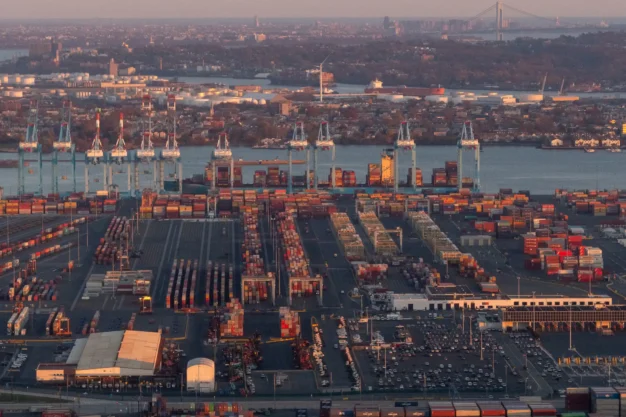
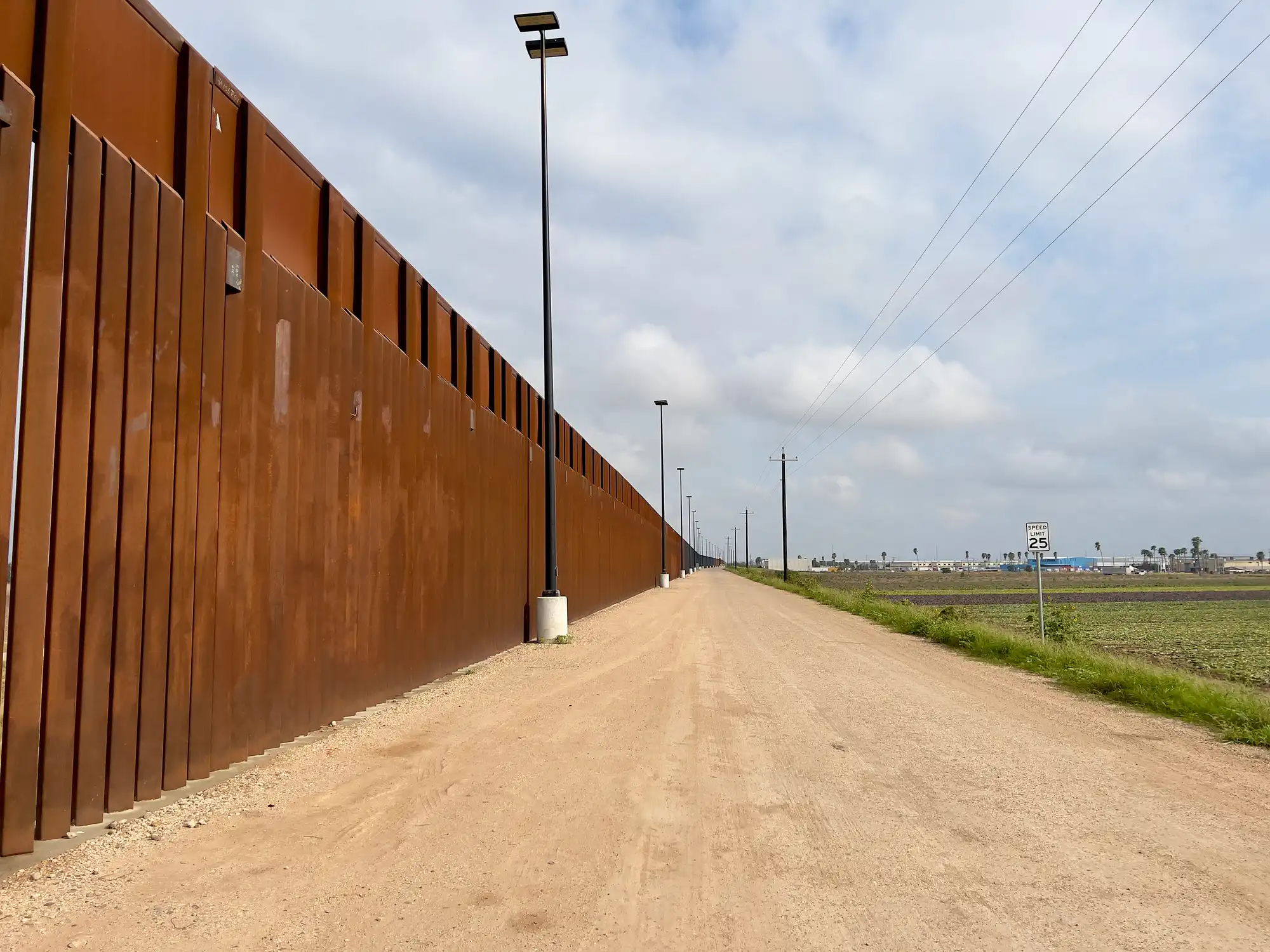
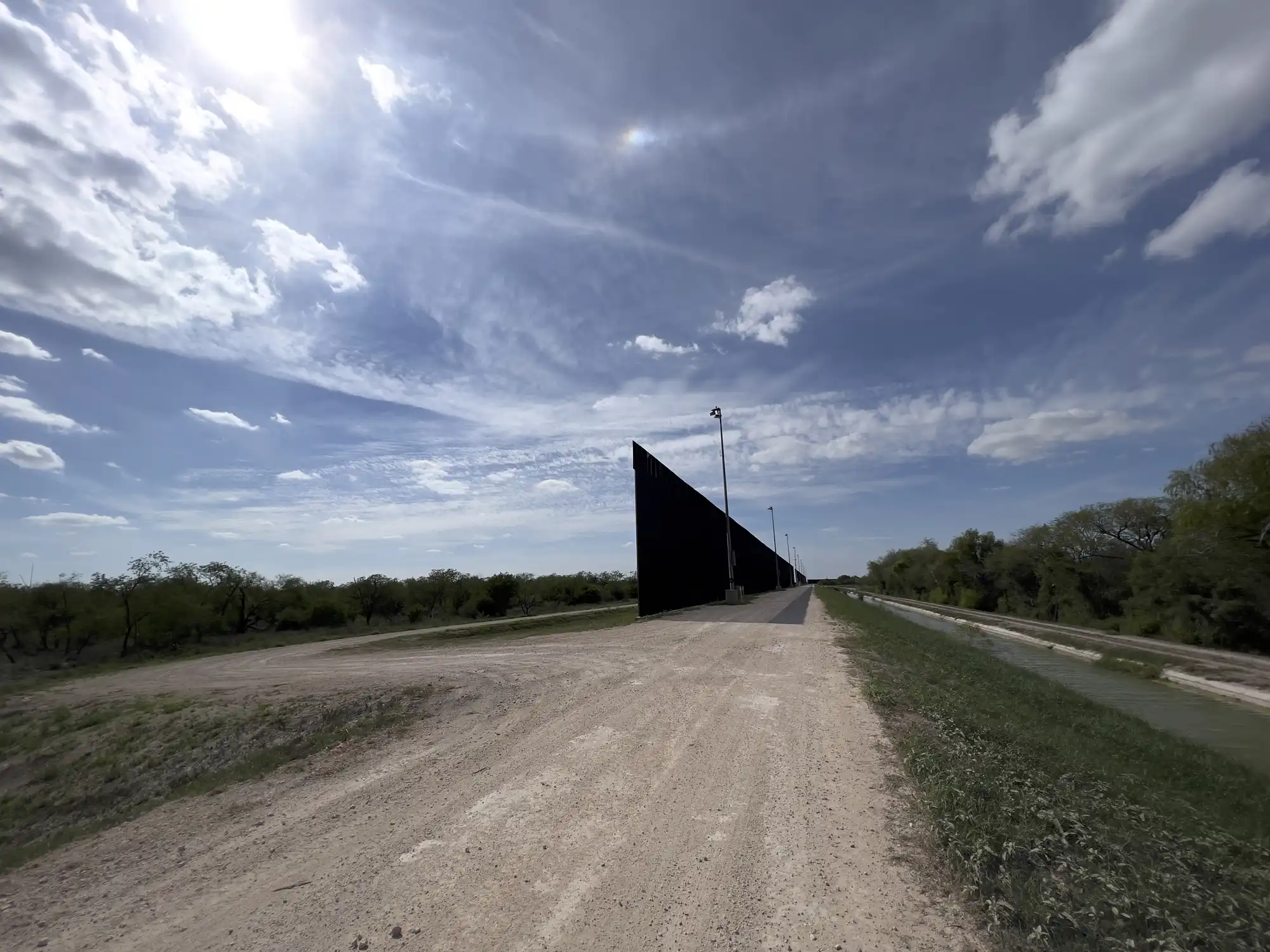
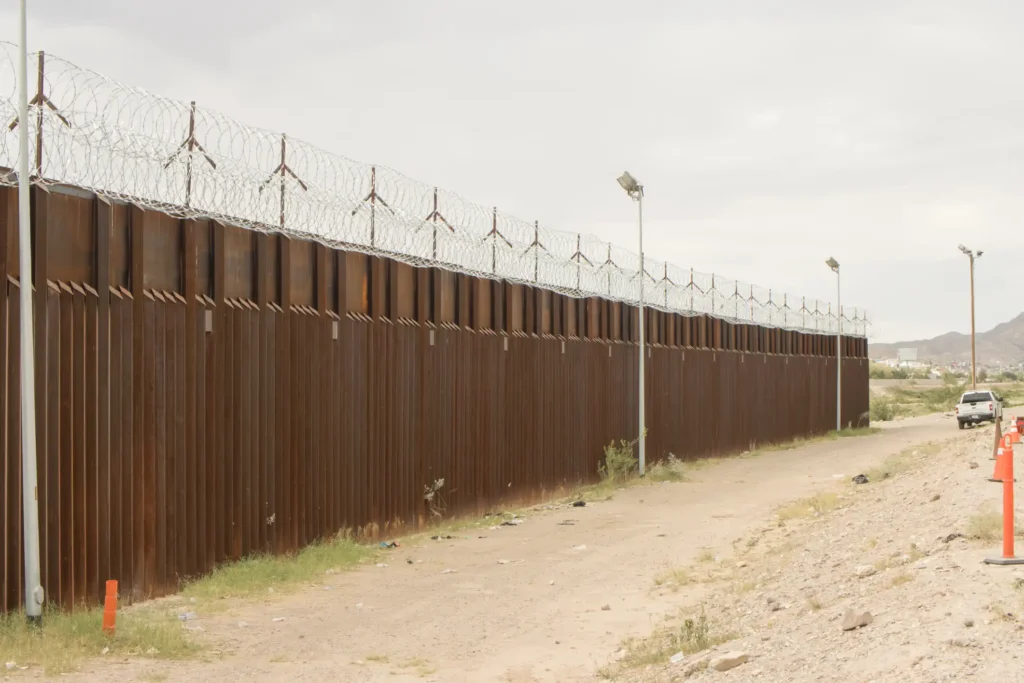
Laredo handles more than 40% of all U.S.-Mexico truck trade. Los Angeles handles a dominant share of transpacific container imports. Eagle Pass and El Paso handle significant cross-border volumes. Any one of these crossing points — a storm, a labor action, a regulatory change, a bridge closure — can create a bottleneck that stops freight across an entire trade corridor.
The 2026 Stress Tests Made This Concrete
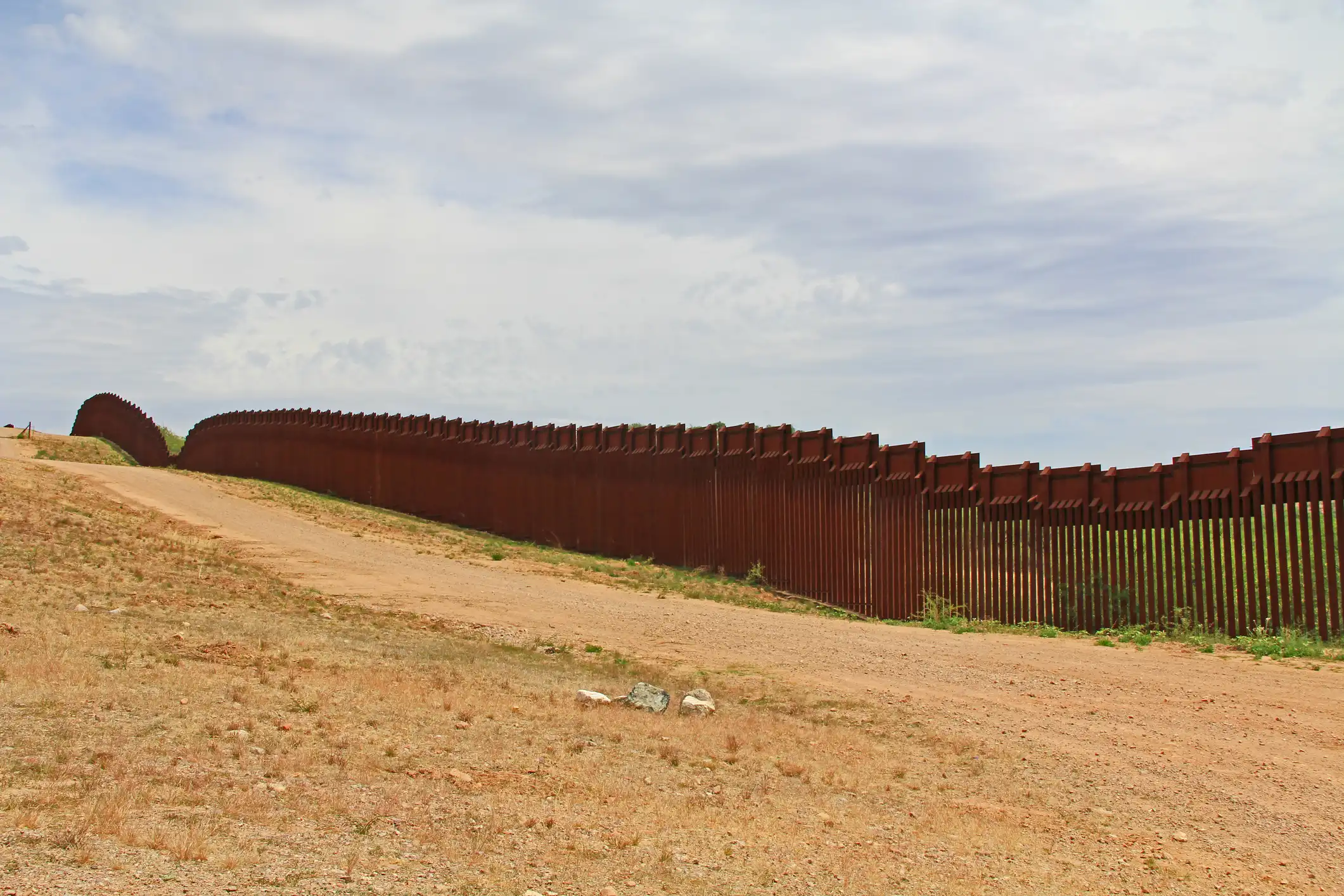
The U.S.-Mexico corridor saw three major stress events in 2026, all centered on Laredo. Each time, shippers fully reliant on that single crossing experienced backlogs of 30 to 50 loads when B1 driver capacity or bridge infrastructure was unavailable.
Shippers who had already diversified their port exposure — with established relationships at Eagle Pass, El Paso, or Otay Mesa — rerouted within hours. Shippers who had not started the diversification conversation at that point.
The Dual-Sourcing Framework for Logistics Networks
Building a resilient logistics network does not require a full supply chain redesign. It requires deliberate decisions about which lanes carry the most risk and what a backup looks like for each one — made before the next disruption forces the question. Here is the framework.
Port Diversification: Two Active Relationships, Not One Primary and One Theoretical
Dual-sourcing ports does not mean having a backup port you have never actually used. It means having two ports — or crossing points — with active carrier relationships, documented routing options, and compliance requirements understood in advance.
For U.S.-Mexico freight, this means knowing your routing options through at least two Texas crossings or one Texas and one California crossing — and having established carrier relationships at each. When Laredo backs up, the rerouting decision takes minutes rather than days.
For ocean imports, China’s share of inbound cargo through Los Angeles has dropped from 60% to 40% in recent years, while volume from Vietnam, Mexico, India, and Latin America continues to rise. Shippers routing imports through multiple gateway ports — West Coast and East Coast, or Gulf ports as a third option — have more flexibility when any single gateway is stressed.
Carrier Diversification: At Least Two Vetted Carriers Per Lane
78% of firms used inventory buffers and diversified sources in 2025 — but carrier diversification lagged behind supplier diversification in most logistics networks.
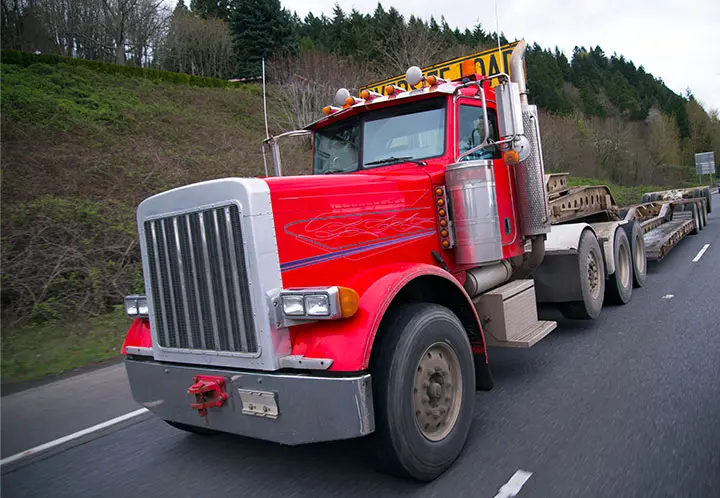
A single primary carrier per lane is not a resilient network. It is a dependency. When that carrier cannot cover a load — equipment unavailable, driver shortage, capacity committed elsewhere — the shipper goes to the spot market at peak-demand pricing.
Maintaining two vetted, contracted carriers per high-priority lane costs almost nothing in normal operating conditions. It is the difference between a phone call and an emergency during a disruption event.
Mode Diversification: Rail as a Truck Backup
Intermodal rail provides a structural backup for truck-dependent lanes — particularly on lanes over 500 miles where rail transit times are competitive. A shipper who has never moved freight by rail on a given lane cannot activate that option during a truck capacity crunch.
Building familiarity with intermodal options on your highest-volume lanes before a disruption — understanding the ramp locations, the transit times, and the documentation requirements — is what makes rail a real backup rather than a theoretical one.
The Resilience Investment That Pays Before Disruption Hits
Dual-sourcing logistics infrastructure does not generate a return in normal operating conditions. It generates a return the first time a disruption event would have cost you more than the investment required to build the network.
The share of supply chain leaders leaning on larger inventory buffers fell to 34% in 2024, from 59% a year earlier, as firms moved toward dual sourcing and regionalization. The shift reflects a growing recognition that inventory buffers are a cost to carry continuously — while network diversification is a structure that protects continuously.
Building the second port relationship, the second carrier relationship, and the intermodal alternative before you need them is the supply chain investment that compounds invisibly until the day it becomes the most valuable thing your logistics network has.
How Jansson LLC Helps U.S. Businesses Build Resilient Freight Networks
Supply chain resilience is not a single carrier relationship. It is a network designed to keep freight moving when any single element fails.
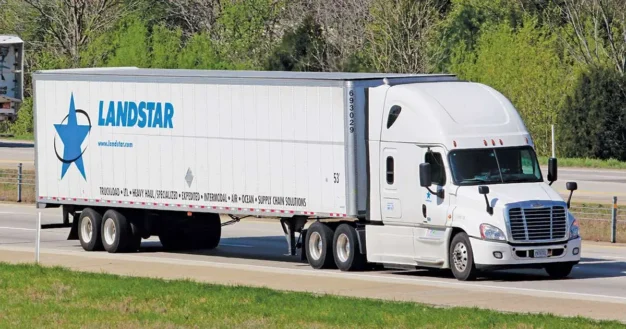
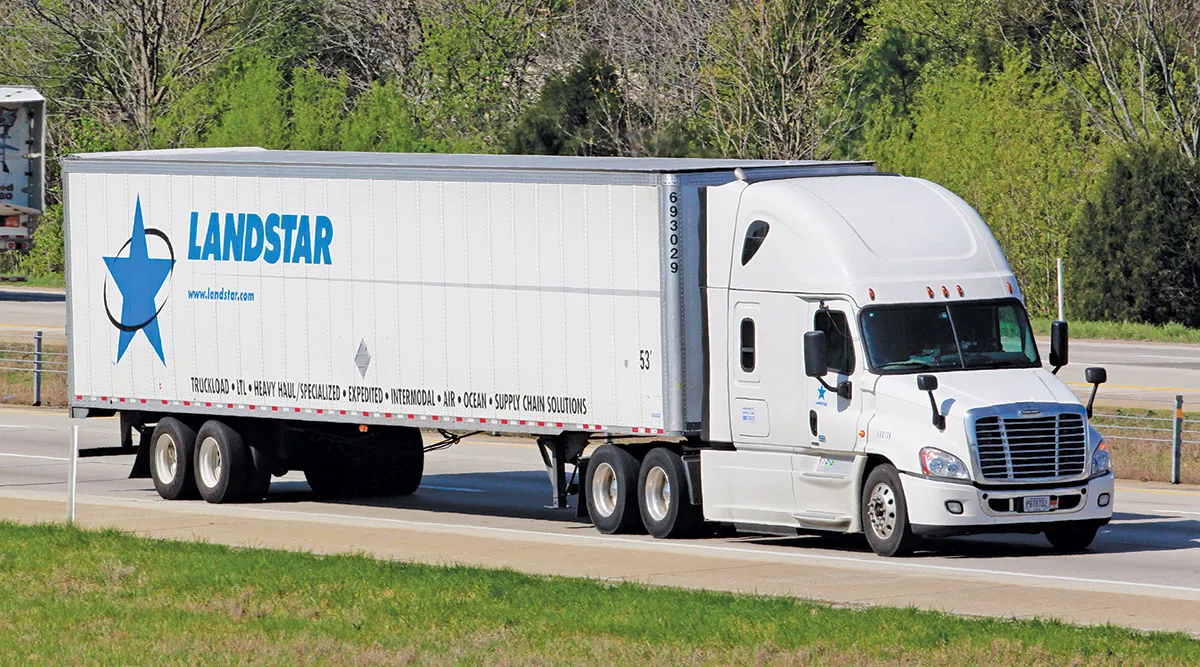
Jansson LLC is a Landstar freight agent with access to a nationwide carrier network — including experienced operators across multiple U.S.-Mexico crossing points, intermodal corridors, and domestic truckload lanes who can provide the carrier and route diversification that makes cross-border and domestic freight networks genuinely resilient.
Contact Jansson LLC today. Let’s map your highest-risk lanes and build the dual-source network that keeps your freight moving — regardless of what the next disruption looks like.