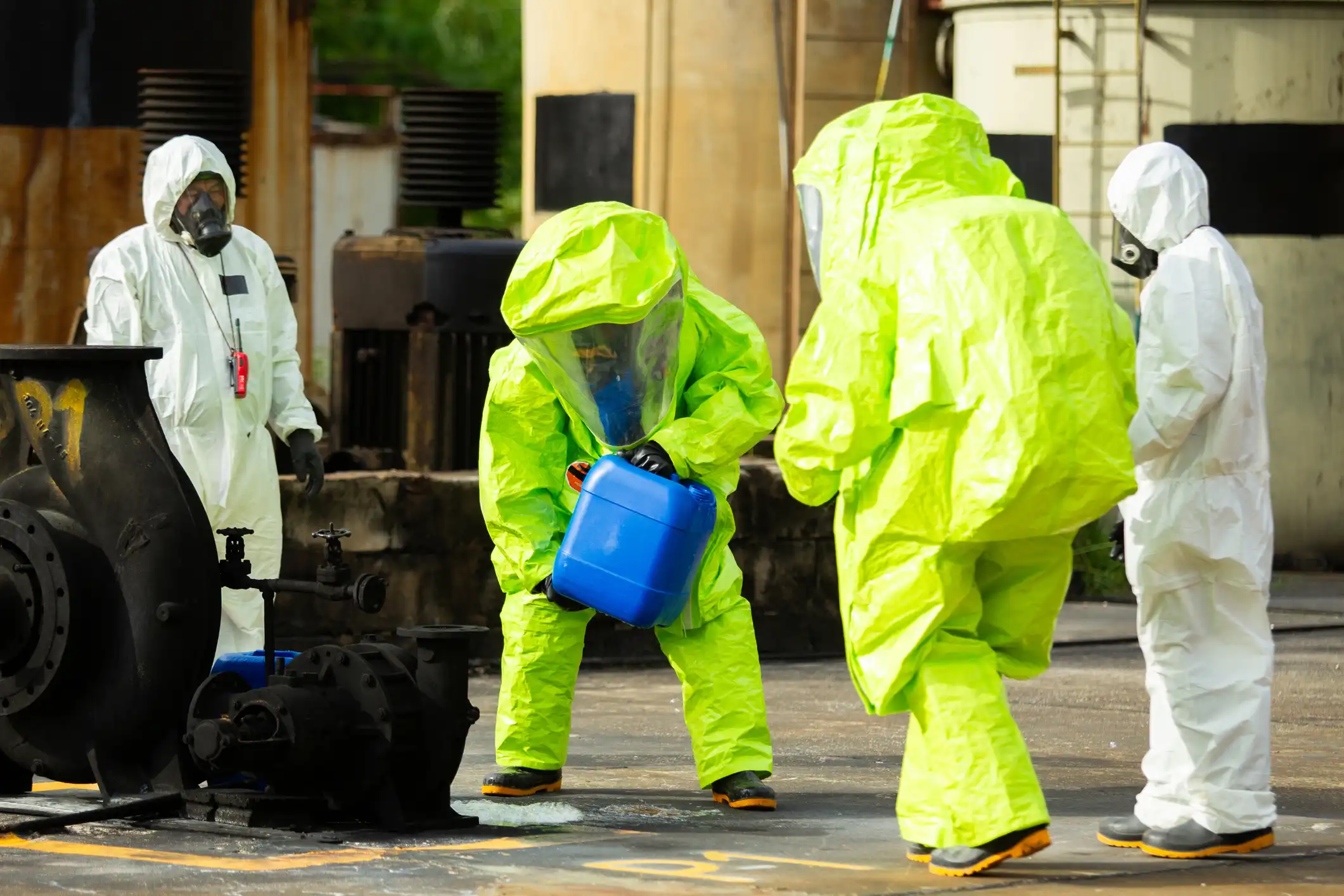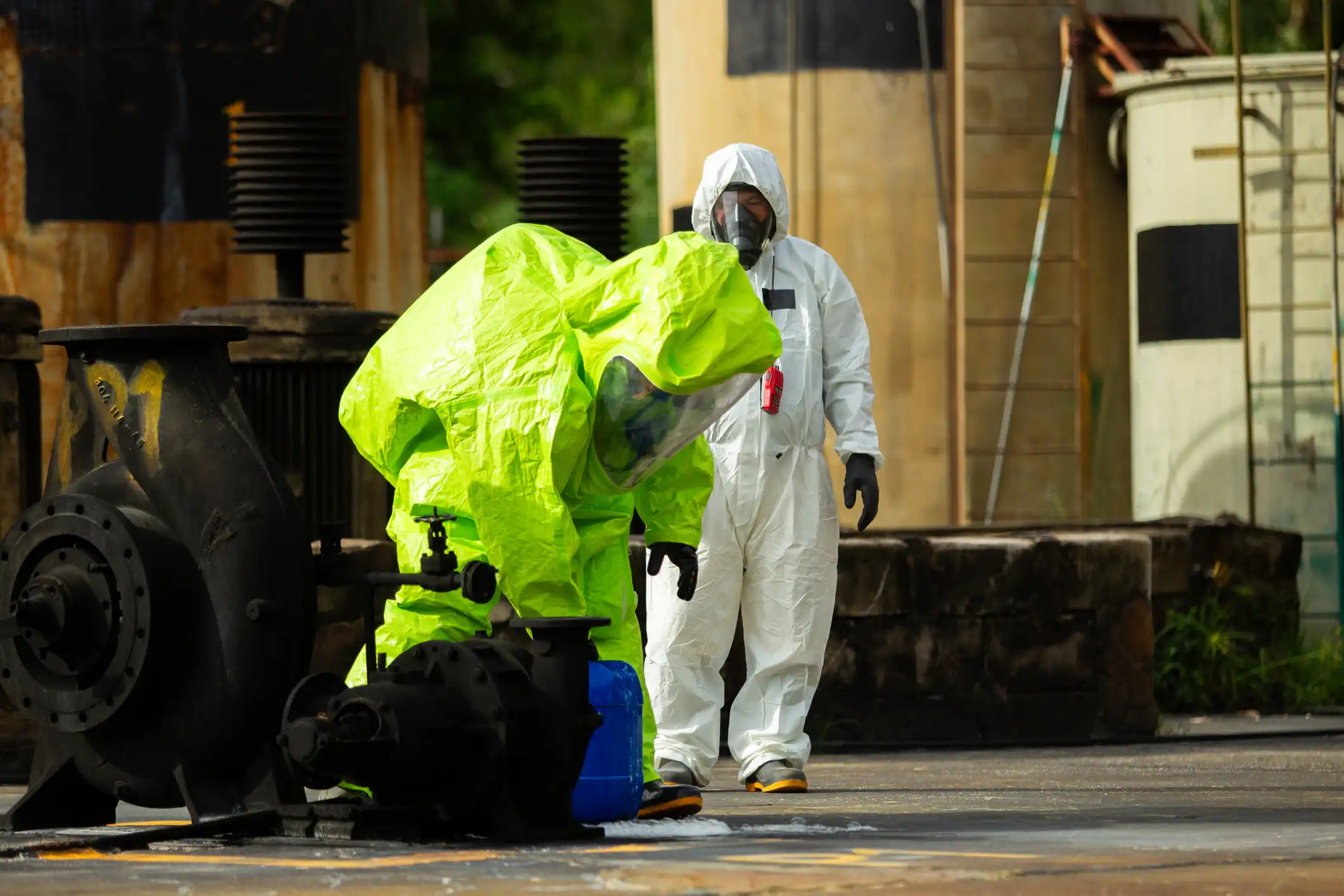
Sulfuric acid. Sodium hydroxide. Concentrated bleach. Hydrochloric acid.
These are not exotic materials found only in research facilities. They are chemicals found in car batteries, manufacturing plants, agricultural operations, and commercial facilities across the country — and they move on U.S. highways every day as Class 8 hazardous materials.
Concentrated corrosives can corrode through the aluminum floor of a tanker truck or eat through welded seams on a shipping container, potentially causing secondary cargo spills or structural collapse. This is why 49 CFR Part 177 mandates specific packing materials, secondary containment, and vehicle safety ratings for Class 8 transport.
The packaging failure is not theoretical. It is the predictable result of using the wrong material, the wrong packing group designation, or the wrong tanker specification for the specific corrosive being transported. Understanding what the regulations actually require — and why — is what prevents it.
What Class 8 Actually Means Under DOT Regulations
The governing regulation is 49 CFR § 173.136, enforced by the Pipeline and Hazardous Materials Safety Administration. The definition covers two distinct categories of harm: biological harm — the substance destroys living tissue at the point of contact through chemical burn — and structural harm.
A material qualifies as Class 8 if it can destroy human tissue or corrode steel or aluminum at a specified rate. Both the biological and structural corrosion criteria can independently trigger the Class 8 designation — a material does not need to harm both tissue and metal to be classified as a corrosive.
This dual-criteria definition matters practically because some industrial chemicals are primarily tissue corrosives — strong bases like sodium hydroxide — while others are primarily material corrosives — certain acids that attack metals faster than they affect skin. The packaging requirements must address the actual harm mechanism of the specific material, not just the class designation.
The Three Packing Groups and What They Determine
DOT uses three Packing Groups to classify Class 8 materials by their speed and degree of danger — determined by standardized animal skin or steel corrosion tests. The classification governs what type of container, label, and transport documentation is required. Packing Group I materials require the most robust packaging — typically UN-certified containers tested to withstand a 1.8-meter drop test. PG III materials still require hazmat labeling and handling, but may use less stringent containers.
The packing group assignment is the shipper’s responsibility. It is also one of the most common sources of Class 8 compliance failures — when a material is assigned to a less restrictive packing group than the corrosion test results actually support, the packaging that follows is under-engineered for the actual hazard.
Packing Group I is reserved for materials with the most severe corrosion rate — substances that destroy full-thickness skin within four hours, or corrode steel or aluminum at more than 6.25 millimeters per year at a test temperature of 55 degrees Celsius. Packing Group II is moderate corrosives. Packing Group III is the least severe — but still requires full Class 8 compliance across documentation, labeling, and packaging.
Packaging Material Compatibility — the Most Critical Decision
The single most important packaging decision for Class 8 transport is material compatibility — ensuring that the container material will not react with or be degraded by the corrosive material inside it.
Under 49 CFR 173.154, packaging must be constructed of materials that will not react dangerously with or be degraded by the corrosive material. For aluminum corrosives — materials that attack aluminum — packaging constructed from aluminum is prohibited. For steel corrosives, steel packaging may require protective lining.
This is not a general standard. It is material-specific. Sulfuric acid at high concentrations is compatible with carbon steel but will rapidly degrade aluminum. Hydrofluoric acid requires specialized packaging because it attacks glass and most metals. Sodium hydroxide solutions are compatible with many plastics but attack aluminum.
The shipper cannot determine compatibility from the class designation alone. It requires knowledge of the specific material’s chemistry — and verification that the selected packaging has been tested or certified compatible with that specific material.
Tanker Specifications for Bulk Corrosive Transport
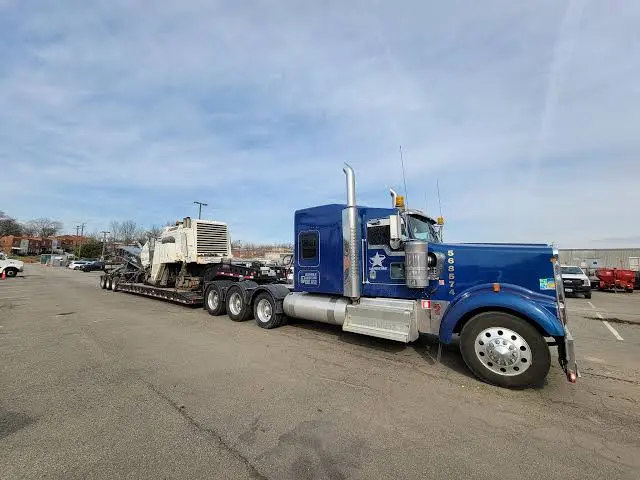
For bulk liquid hazmat, DOT-spec tankers must be used depending on commodity. The primary tanker specifications for Class 8 bulk corrosives are DOT 407 and DOT 412 cargo tanks.
The DOT 407 is designed for lower-pressure corrosive liquids and is constructed from stainless steel or aluminum — but aluminum DOT 407 tanks cannot carry aluminum-reactive corrosives. The DOT 412 is constructed from aluminum and is appropriate for non-aluminum-reactive materials at slightly higher working pressures.
Tank lining is a critical variable on long-haul corrosive transport. Even chemically resistant tank materials can develop degradation over time when carrying aggressive corrosives — particularly at elevated temperatures that can occur during summer transport across hot climates. Carriers transporting Class 8 bulk liquids should document tank lining inspection records and verify compatibility with the specific corrosive for the specific lane.
The Long-Haul Degradation Risk
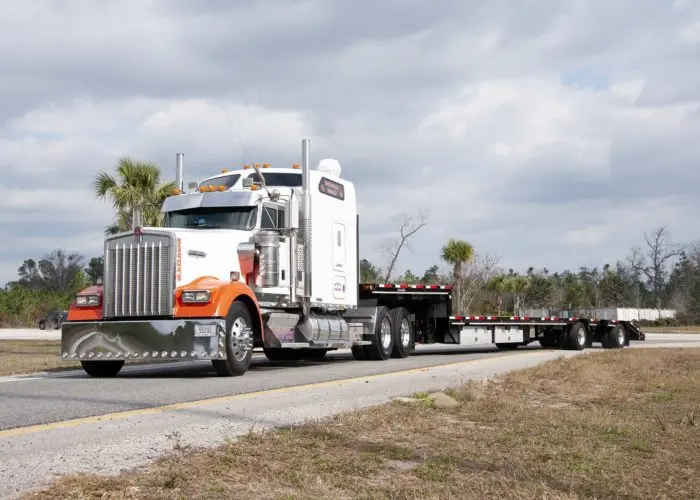
Short-haul corrosive transport — a few hours on a regional delivery — creates different risk than a multi-day cross-country move. Time, temperature, and vibration all contribute to packaging degradation that a compliant container at origin may not sustain through the full transit.
Temperature matters significantly. Many corrosive reactions accelerate at higher temperatures — a material that is stable in its container at 65 degrees Fahrenheit may create elevated internal pressure or accelerated corrosion at 95 degrees after sitting in a trailer in direct summer sun.
Vibration matters for closure integrity. A drum closure that is properly sealed at origin can work loose over thousands of miles of highway vibration — particularly on rough secondary roads. Secondary containment that captures any leakage before it contacts the trailer floor is a long-haul best practice that the regulations require at the Packing Group I level and that carriers should apply to Packing Group II bulk liquid loads regardless.
How Jansson LLC Helps U.S. Businesses Move Class 8 Freight Safely
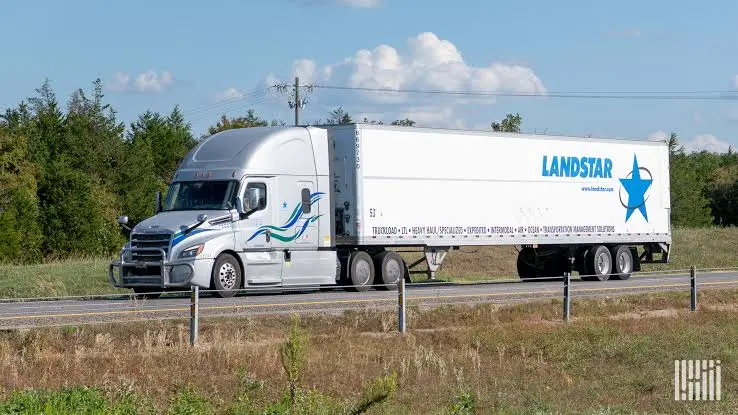
Class 8 corrosive transport requires carrier selection based on tanker specification, lining compatibility, and documented maintenance records — not just rate and transit time.
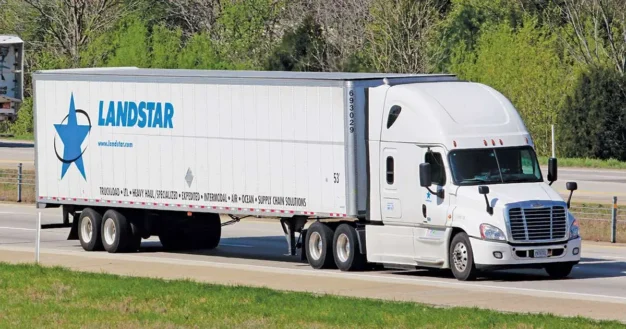
Jansson LLC is a Landstar freight agent with access to a nationwide carrier network — including experienced hazmat operators who understand Class 8 packing group requirements, tanker specification matching, and the compatibility verification that keeps corrosive freight compliant from origin to destination across long-haul lanes.
Contact Jansson LLC today. Let’s make sure your Class 8 freight is moving in the right equipment — and arriving without the packaging failures that long hauls create.