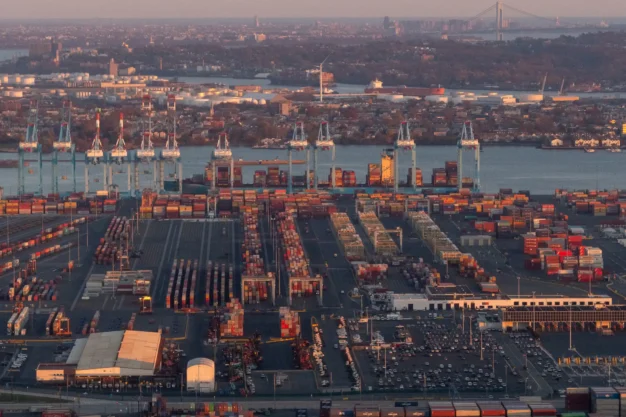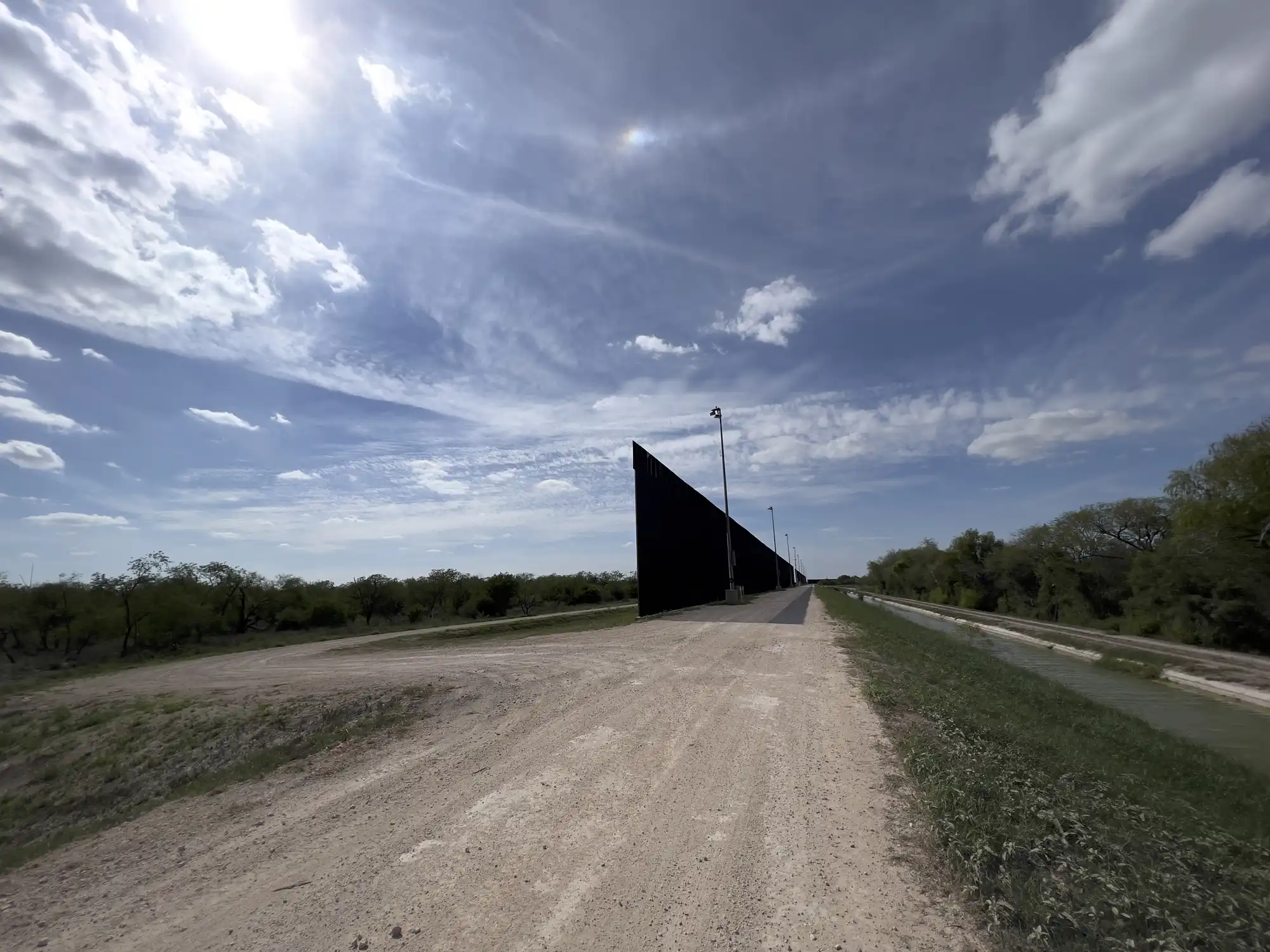

For every truckload shipped southbound from the United States to Mexico, approximately three truckloads move northbound. That three-to-one imbalance is the defining structural challenge of cross-border freight — and it quietly inflates the rate of every load moving in both directions.
Carriers running southbound into Mexico know their trucks will likely come back empty — or nearly so. That deadhead cost gets priced into the southbound rate before the shipper ever sees a quote. The industry average sits at roughly 35% empty miles across all U.S. trucking operations. On cross-border lanes with structural imbalances, that figure can be significantly higher.
Once you account for empty miles, carriers are still running below break-even on a loaded-mile basis — with true costs closer to $2.60 per loaded mile versus spot rates hovering near $2.15. The empty mile gap is where carrier economics collapse — and where shipper rates follow.
Understanding how the imbalance works — and what shippers can do to reduce their exposure to it — is one of the most underused cost levers in cross-border logistics.
Why the Imbalance Exists and Why It Is Getting Worse
The northbound-southbound gap is not new — but two forces active in 2026 are making it wider and more expensive to absorb. Understanding both helps shippers anticipate where costs are heading rather than reacting after rates have already moved.
Mexico’s Export Growth Outpacing Southbound Demand
Mexican exports to the U.S. are up roughly 15% in recent months, driven by manufacturing flows across automotive, electronics, and consumer goods. That northbound volume growth has not been matched by proportional southbound freight — because the goods flowing south are different in nature from the manufactured components and finished goods flowing north.
The U.S. ships raw materials, agricultural products, machinery, and consumer goods into Mexico — but the density and value of northbound manufactured goods far exceeds what moves south. The result is a corridor where carrier capacity is perpetually underutilized in one direction.
The B1 Driver Pool Has Shrunk Significantly
Between April 2025 and April 2026, roughly 20,000 B1 drivers — the pool that picks up in Mexico and delivers in the U.S. — lost their visas due to English proficiency requirements. Another 5,000 or so have lost theirs since.
This shrinking driver pool means southbound loads that depend on B1 drivers face both availability constraints and higher deadhead exposure. Shippers fully reliant on B1 drivers have experienced backlogs of 30 to 50 loads when that capacity was not available — a structural risk that is not resolved by rate increases alone.
How Empty Miles Inflate Your Cross-Border Costs
The deadhead cost is real — it just does not appear on your rate sheet.
Deadhead miles can account for 28% of total miles driven across private fleets, translating to over $20,000 in fuel costs alone for a truck driving 100,000 miles per year. On cross-border lanes where southbound loads are scarce relative to northbound demand, that figure is priced into every load whether or not the shipper explicitly negotiates for it.
In major outbound-heavy markets like Los Angeles, pricing accounts for the additional cost of repositioning empty trucks. Shippers pay beyond the direct transport cost, covering the expenses carriers incur when relocating equipment. The same dynamic applies on the Texas-Mexico corridor — shippers who understand this are better positioned to negotiate rates that reflect actual carrier cost rather than absorbing a deadhead premium they never knew they were paying.
Three Strategies That Reduce Empty Mile Exposure
None of these strategies require a full network redesign. They require a deliberate decision about how you structure your freight — and who you structure it with. Here is where to start.
Build Consistent Southbound Volume on Your Lanes
The most direct way to reduce empty mile costs on northbound shipments is to generate consistent southbound freight on the same corridor. A carrier who can plan a southbound load out of their northbound delivery market does not need to price the deadhead into your northbound rate.
For businesses that have both northbound and southbound freight needs — importing manufactured goods from Mexico while exporting raw materials, packaging, or consumer products south — consolidating that freight with a logistics partner who can coordinate both directions is one of the highest-leverage cost management moves available on cross-border lanes.
Diversify Your Port Exposure Beyond Laredo
Laredo handles more than 40% of all U.S.-Mexico truck trade — and that concentration creates vulnerability. Spreading transload capability across multiple border points, rather than concentrating it in Laredo, builds more resilience when any single crossing gets stressed.
Eagle Pass, El Paso, and Otay Mesa all offer viable alternatives on specific lanes — and carriers with established relationships at multiple crossing points have more flexibility to route around congestion and balance equipment positioning than carriers locked into a single-port strategy.
Use Transloading to Access Deeper Carrier Markets
Transloading — moving freight from a Mexican carrier’s trailer to a U.S. carrier’s trailer at a border facility — allows shippers to access the full U.S. carrier market on the domestic leg rather than depending on the more limited cross-border carrier pool.
This model reduces empty mile exposure by matching northbound freight to U.S. carriers who are positioned on domestic lanes — carriers whose equipment utilization is managed within the U.S. network rather than dependent on what southbound freight is available in Mexico.
How Jansson LLC Helps U.S. Businesses Optimize Cross-Border Lane Economics
Empty mile reduction on cross-border lanes is a carrier selection and network design problem — not just a rate negotiation.
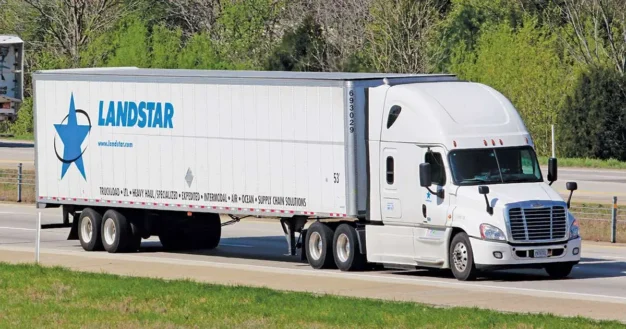
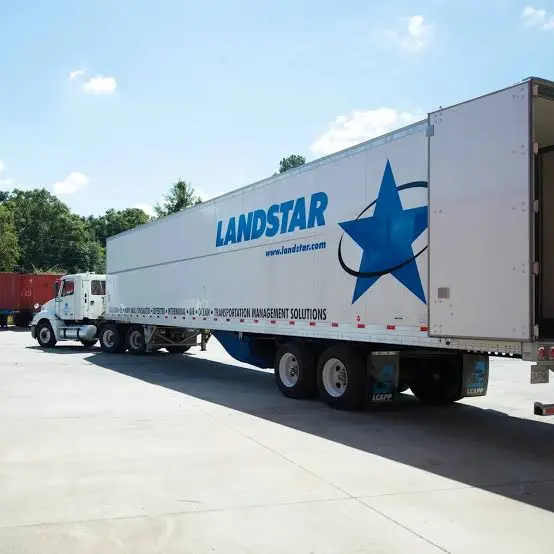
Jansson LLC is a Landstar freight agent with access to a nationwide carrier network — including experienced cross-border operators at Laredo, El Paso, Eagle Pass, and Otay Mesa who understand lane imbalance economics, transloading options, and the freight planning that reduces deadhead exposure on both directions of the U.S.-Mexico corridor.
Contact Jansson LLC today. Let’s evaluate your cross-border lanes and find the empty miles hiding in your freight spend — before they show up in your next rate increase.