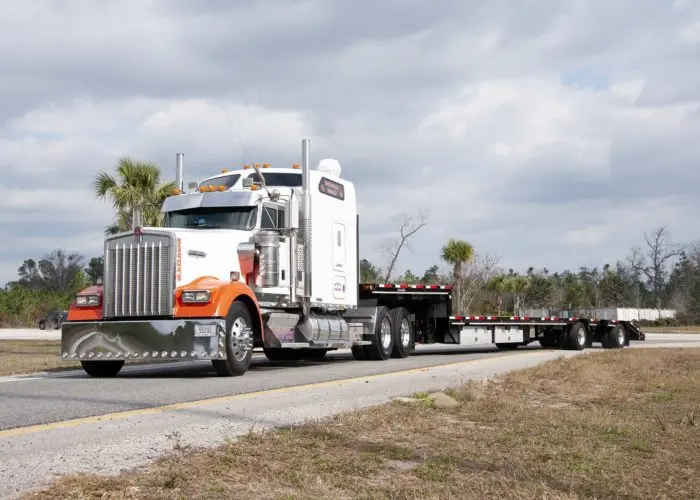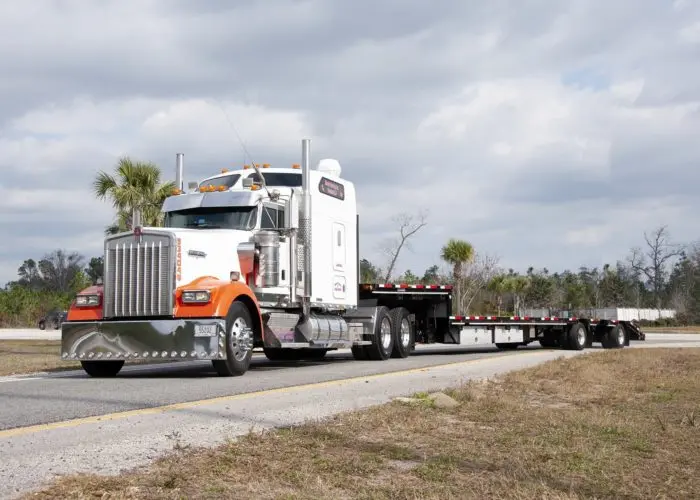
Inspecting trailer hardware before a DOT Roadcheck prevents unexpected out-of-service orders and costly delivery delays.
Cargo securement remains a major focus area for state and federal inspectors during roadside safety drives.
Federal Motor Carrier Safety Administration (FMCSA) safety data shows that damaged straps and broken hardware account for thousands of roadside citations every year.
Commercial Vehicle Safety Alliance (CVSA) inspectors actively place trucks out of service when securement hardware fails basic safety standards.
Out-of-service violations force trucks to remain parked on highway shoulders until shippers arrange replacement trailers or fresh securement gear.
Catching cracked welds, bent anchor points, and frayed straps on the yard protects your drivers before they meet a highway inspector.
Understanding how federal officers evaluate trailer hardware helps shippers build safer pre-trip inspection routines.
What Anchor Points Do and Why They Fail
Anchor points are the structural metal attachment points on flatbed trailers where chains and straps connect. These anchor spots include stake pockets, recessed D-rings, winch rails, and built-in slots along the frame.
Federal safety standards demand that cargo securement systems resist 0.8g of forward force, 0.5g of rearward force, and 0.5g of side force.
Heavy highway vibration and extreme cargo weight cause these metal components to wear down over time. Corrosion creates deep rust that weakens welds and base metal over long periods of continuous exposure.
Physical impact from forklifts or over-tensioned binders bends stake pockets and D-rings out of shape.
Stretched stake pockets might look safe to an untrained eye during a fast pre-trip review. Bending the metal opening changes how the hook seats inside the anchor pocket.
Changing that seating surface reduces the overall strength rating of your attached hardware. Reduced strength ratings invalidate your total weight calculations, leading to instant violations during a DOT Roadcheck.
Drivers who skip evaluating anchor point geometry risk failing roadside inspections even when their straps look brand new.
Applying the Weakest Link Safety Rule
Federal safety regulations enforce the weakest link rule across every flatbed securement setup. This fundamental rule states that a securement system is only as strong as its weakest component.
Connecting a heavy-duty Grade 70 chain to a cracked D-ring destroys the rating of that chain. Inspectors treat damaged anchor points as if they contribute zero strength toward your total weight limit.
Unrated or broken anchor points instantly ruin the mathematical compliance of your entire trailer setup.
Officers conducting CVSA Level I inspections closely examine all hardware for cracks, sharp edges, and metal bends.
Passing a DOT Roadcheck requires every single piece of hardware to maintain its full structural rating.
Step-by-Step Hardware Inspection Protocols
Running a thorough hardware inspection before leaving the shipping yard ensures full compliance on the highway.
Stake Pocket Inspections
Examine the opening width of every stake pocket along the trailer frame. Over-tensioned winch binders and accidental forklift strikes bend these metal openings out of shape.
Check the base weld lines where the pocket meets the main trailer frame. Cracked welds at securement points lead to immediate out-of-service orders during a DOT Roadcheck.
Feel inside the pocket for deep rust pitting that weakens the structural wall thickness.
Verify that all mounting bolts remain tight and fully secured to the trailer structure. Missing mounting fasteners or loose frame bolts invalidate the anchor pocket rating completely.
D-Ring and Recessed Anchor Checks
Inspect every D-ring anchor for metal stretching or base cracks. Pushing a ring with your hand reveals loose mounting hardware that fails under dynamic forces.
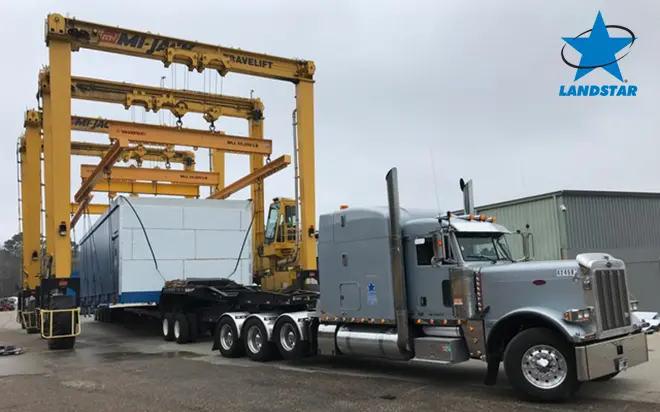
Specialized heavy freight movers rely heavily on recessed D-rings to anchor massive machinery. Loose mounting plates prevent the anchor from transferring load weight safely to the trailer frame.
Replacing worn mounting bolts restores the original load capacity before trucks pull onto public highways.
Rub Rail Inspection Rules
Understand that side rub rails are designed to protect trailer sides and light brackets rather than anchor heavy loads. Attaching straps or chains directly to rub rails creates an illegal securement setup.
Aluminum rub rails lack the structural strength needed to withstand heavy dynamic load shifting.
Inspect rub rails for sharp metal edges or burrs caused by previous cargo scrapes. Sharp edges cut into fabric webbing during transit, which counts as a severe violation during a DOT Roadcheck.
Installing protective corner pads prevents sharp metal burrs from damaging synthetic tie-down straps.
Mandatory Hardware Checks During Transit
Checking your securement system within the first 50 miles of travel is a mandatory federal requirement. Heavy loads settle onto trailer beds as the truck bounces over highway bumps.
Dynamic highway forces cause cargo shifting that turns tight chains into loose hazards.
Tie-downs that felt tight at the loading dock often loosen up after forty miles of travel. Drivers must re-check strap tension every 150 miles or three hours throughout the entire trip.
Stopping at safe rest areas allows operators to tighten winch bars and inspect anchor points for new signs of stress.
Documenting these mid-trip inspections protects carrier compliance scores under current FMCSA rating systems.
Failing to catch loose hardware during transit results in separate driver-observed safety violations. Maintaining accurate inspection logs proves that your team takes cargo safety seriously across every haul.
Pass Your DOT Roadcheck and Move Freight Safely with Jansson LLC
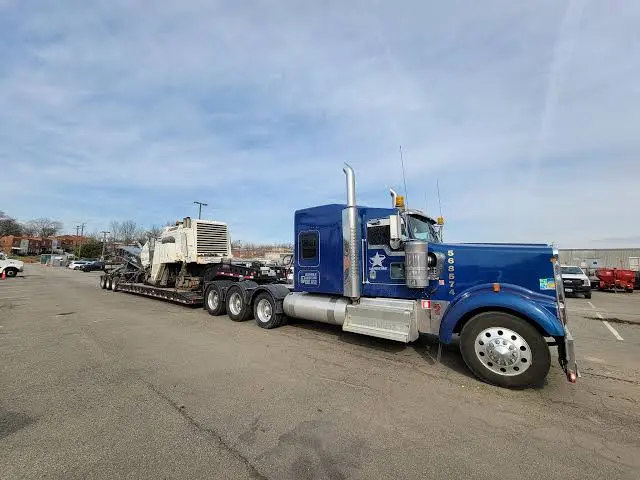
Partnering with professional heavy haul shipping companies ensures your cargo moves with fully inspected equipment. Equipment maintenance issues cause expensive delivery delays when trucks get sidelined at weigh stations.
Experienced shippers know that avoiding roadside violations keeps customer contracts protected and deliveries running on schedule.
Jansson LLC operates as an authorized Landstar freight agent with access to a vast network of professional drivers.
Their experienced heavy haul operators understand FMCSA pre-trip inspection rules and maintain strict safety standards on every load.
Working with qualified freight professionals gives you complete peace of mind from loading dock to final delivery destination.
Protect your supply chain from unexpected roadside delays! Contact Jansson LLC today to secure compliant heavy haul shipping support for all your heavy freight needs.