
On June 30, 2021, TSA mandated 100% screening of all air cargo transported on U.S. commercial aircraft — passenger and all-cargo alike.
That mandate did not create delays for every shipper equally. Shippers with Known Shipper status, or whose freight moved through Certified Cargo Screening Facilities, continued processing efficiently. Unknown shippers — those without an established TSA vetting history — faced the full weight of airline-level inspection queues at congested cargo terminals.
In 2026, that gap has widened. During high-demand periods, inspection backlogs at major airport cargo facilities are common — and the shipper waiting at the airline terminal for screening is the unknown shipper who has no faster path.
Understanding how the Known Shipper program works — and what the related Certified Cargo Screening Program offers — is how U.S. businesses reduce their exposure to air cargo delays that have nothing to do with flight schedules.
What the Known Shipper Program Actually Is
The Known Shipper program is administered by TSA through the Known Shipper Management System — a database of shippers who have been vetted and granted qualified status for transporting cargo on U.S.-originating passenger flights.
Known Shipper status is not an application in the traditional sense. It is a vetting outcome — TSA reviews a shipper’s history of screened and safe shipments and grants qualified status based on that record. The process runs through an approved transportation partner — a freight forwarder or air carrier — who submits the shipper’s information to TSA.
Once approved, a Known Shipper receives a unique identification number that must be used during the shipping process. TSA monitors and evaluates Known Shippers’ security practices on an ongoing basis. Status is not permanent — it requires continued compliance.
The Three Operational Benefits of Known Shipper Status
Known Shipper status is not just a compliance credential. It changes the practical options available to your freight — which routes it can move on, how quickly it clears inspection, and what it costs to move it. Here is what each benefit actually delivers in practice.
Benefit 1: Access to Passenger Aircraft Routes
This is the primary operational advantage — and the one most shippers underestimate before they experience the alternative.
Unknown shipper cargo can only travel on all-cargo aircraft. Cargo-only flights operate on fewer routes and less frequently than passenger planes. Transit times are longer and often require multiple transshipments between legs.
Known Shippers can tender freight for shipment on both passenger and all-cargo aircraft. The frequency of passenger flights — which depart from major hubs dozens of times per day on high-demand corridors — gives Known Shippers access to routing and timing options that unknown shippers cannot use.
Benefit 2: Reduced Screening Scrutiny and Cost
Unknown shipper cargo is subject to the most rigorous screening processes available at the airline level — physical search, X-ray, explosive trace detection, and potentially all three on the same shipment.
Known Shipper cargo is typically subject to X-ray screening only — comparable to how passenger luggage is handled. The reduction in screening intensity directly reduces the time cargo spends in the inspection queue and eliminates the risk of inspection-related damage to sensitive freight.
Benefit 3: Better Rates Through More Carrier Options
Shipping on cargo-only aircraft is more expensive than passenger belly freight. By opening access to passenger aircraft through Known Shipper status, shippers gain access to lower rates on high-frequency routes — particularly on domestic corridors and transpacific lanes where passenger flight frequency is high.
The Certified Cargo Screening Program: The Other Path to Bypassing Terminal Bottlenecks
The Certified Cargo Screening Program — CCSP — is the second mechanism that keeps freight moving through the 100% screening mandate without terminal delays.
Under CCSP, TSA certifies facilities — manufacturers, shippers, third-party logistics providers, warehouses, and distribution centers — to screen cargo before it reaches the air carrier. Cargo accepted from a Certified Cargo Screening Facility does not require additional screening and can be transported by either a passenger or all-cargo aircraft.
TSA does not charge for CCSP certification. Facilities typically invest in approved screening equipment and must adhere to TSA security requirements and submit to periodic validations and inspections. Applications must be submitted to TSA at least 90 days prior to the planned start date.
The operational benefit is significant. If your freight is waiting at an airport terminal to be screened by the airline, your supply chain is losing time — particularly during peak shipping periods when airline cargo operations are processing high volumes. CCSP certification moves that screening upstream — to your facility or your logistics partner’s facility — where it happens on your schedule rather than the airline’s.
The Air Cargo Advance Screening Layer
ACAS — Air Cargo Advance Screening — adds a third compliance layer that affects all U.S.-bound air cargo from international origins.
Under the ACAS Interim Final Rule published November 21, 2025, air cargo supply chain participants in all countries are required to submit advance data electronically before cargo is loaded on U.S.-bound aircraft. The program uses this advance data to identify high-risk cargo for enhanced screening before it is consolidated and loaded — reducing the volume of cargo that requires physical inspection on arrival.
For U.S. importers receiving international air freight, working with freight forwarders who are active ACAS participants reduces the probability that inbound shipments are flagged for enhanced physical inspection at U.S. arrival facilities.
What Unknown Shippers Face in 2026
A critical warning for shippers who have not engaged with any of these programs: TSA maintains an Air Cargo Screening Technology List of approved screening equipment. Equipment that has been grandfathered but has reached its TSA-mandated expiration will no longer be accepted — cargo screened on expired equipment will be rejected at the airline level.
This means the logistics provider your freight runs through matters as much as your own compliance status. A 3PL or freight forwarder using outdated screening technology creates a rejection risk for your cargo regardless of your own shipper history.
How Jansson LLC Helps U.S. Businesses Navigate Air Cargo Compliance
TSA air cargo compliance is not a one-time certification. It is an ongoing relationship between the shipper, the freight forwarder, and the carrier — one where the weakest link in the chain determines whether your freight clears efficiently or waits in an inspection queue.
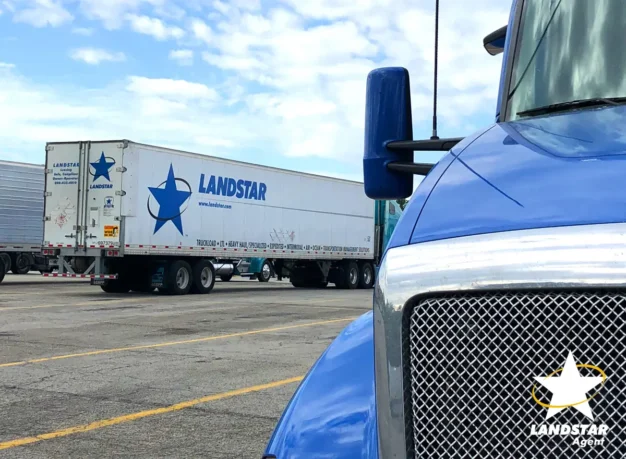
Jansson LLC is a Landstar freight agent with access to a nationwide carrier network — including experienced air freight operators and logistics partners who understand TSA Known Shipper requirements, CCSP screening standards, and the supply chain coordination that keeps U.S. businesses’ air cargo moving through security requirements without unnecessary delays.
Contact Jansson LLC today. Let’s make sure your air freight is moving with the right compliance structure — and the right partners — to bypass the bottlenecks that slow everyone else down.