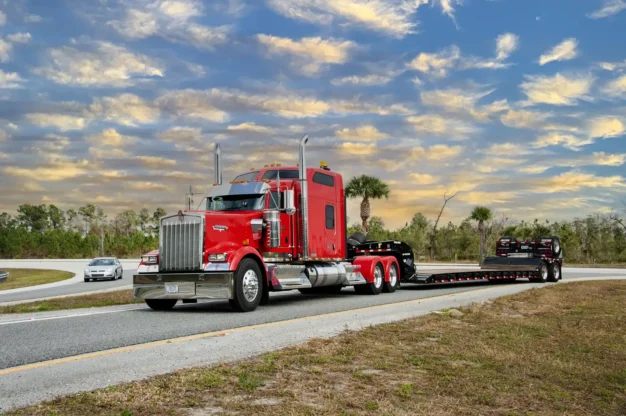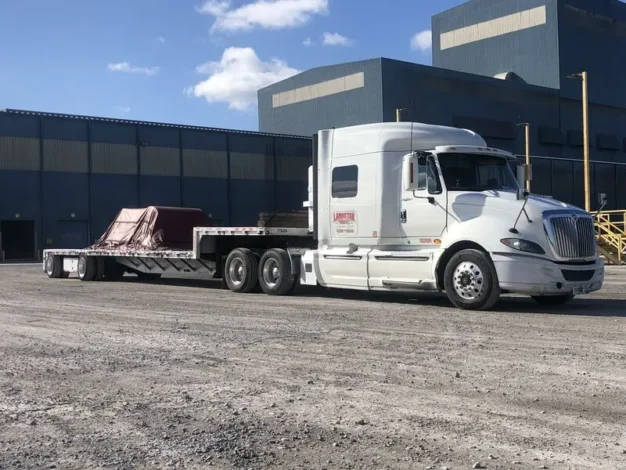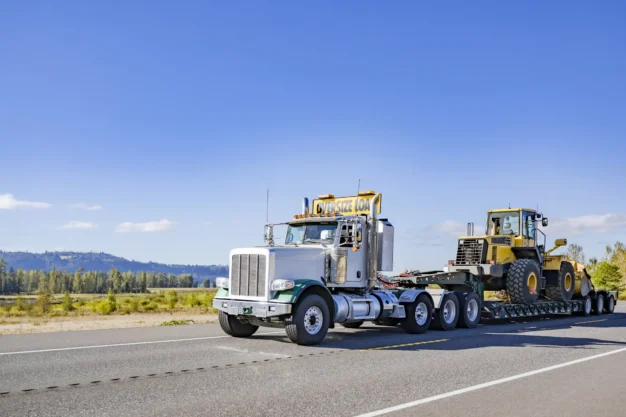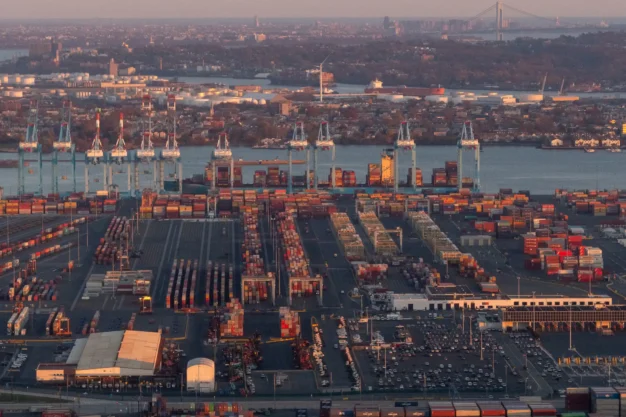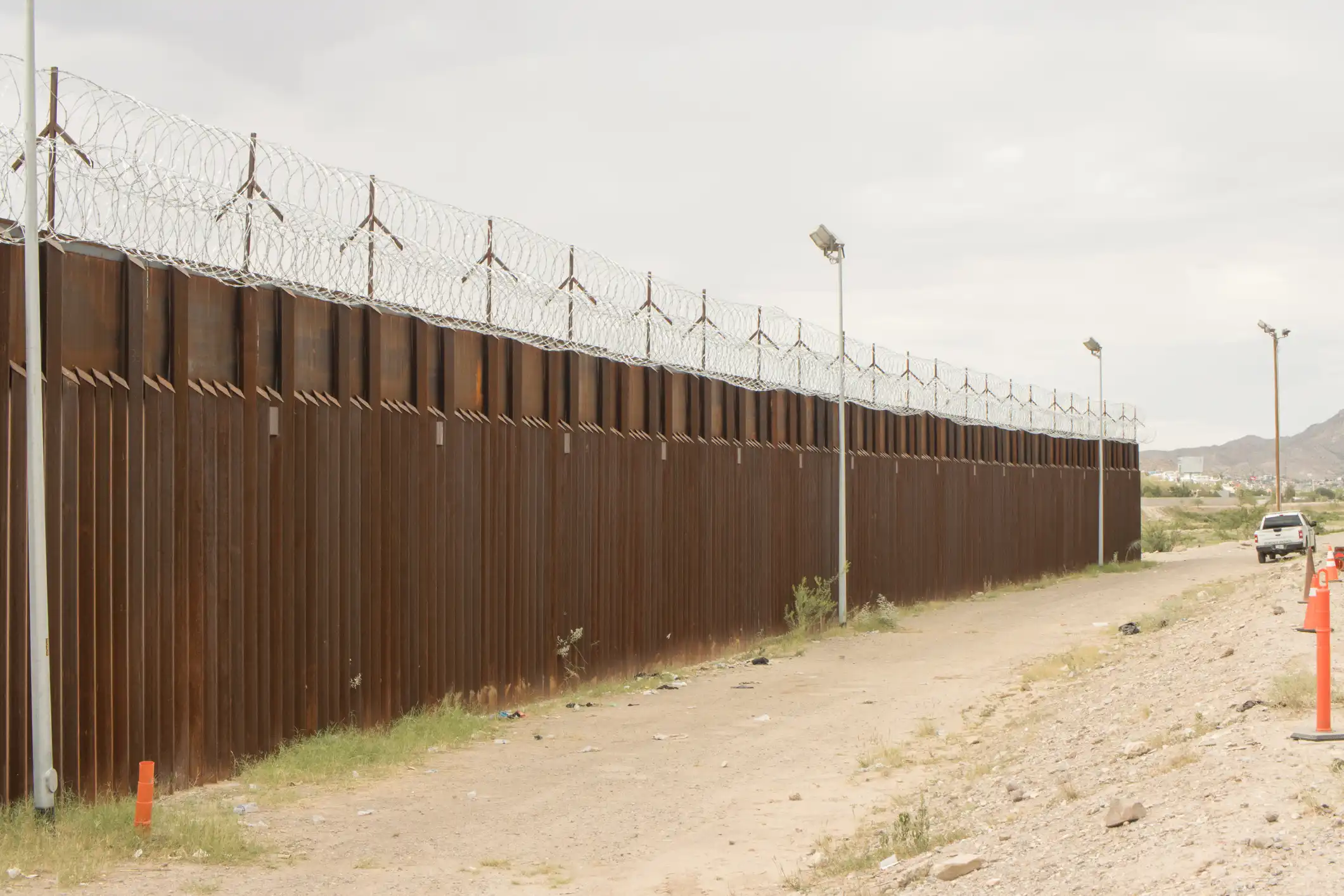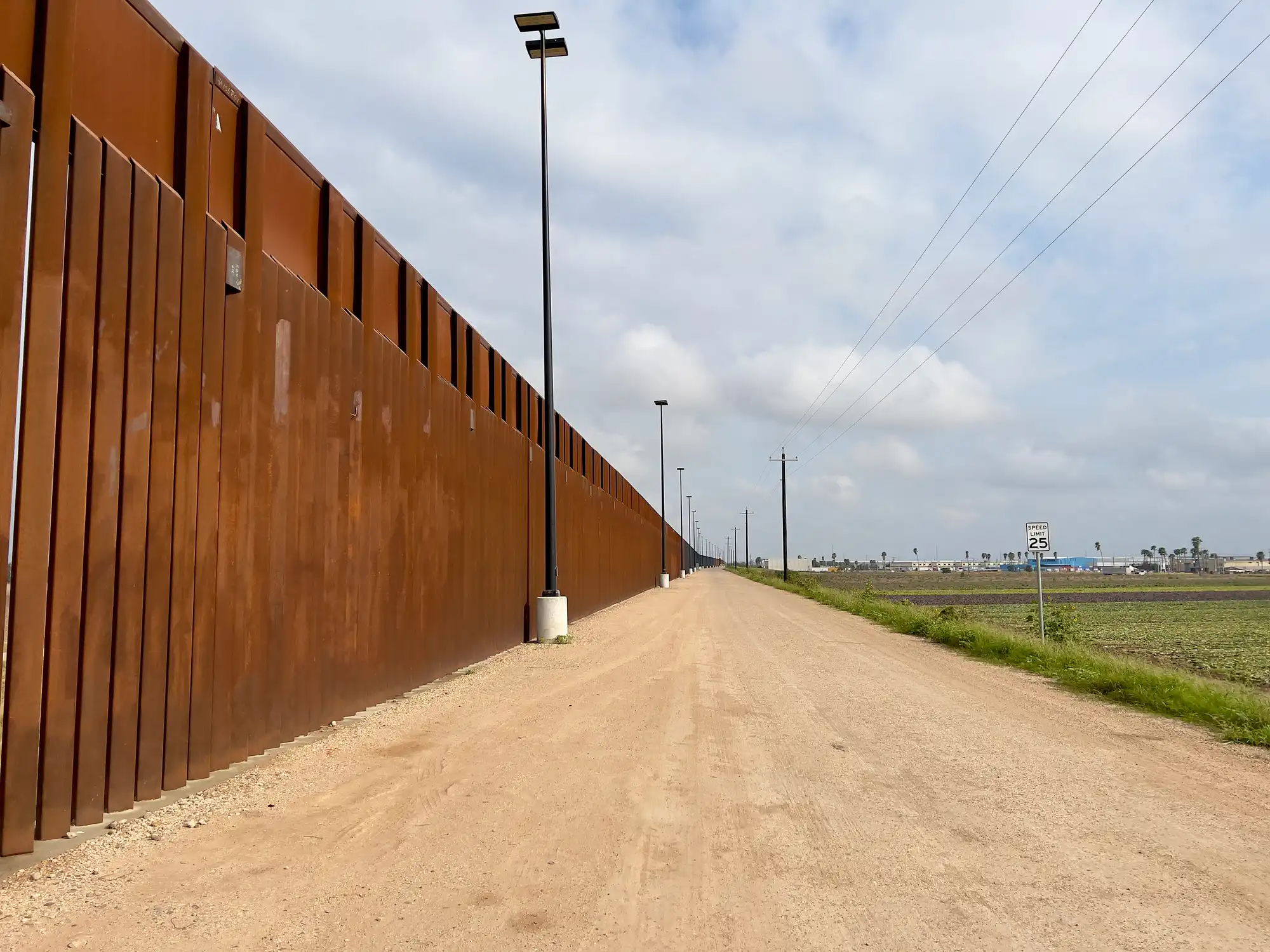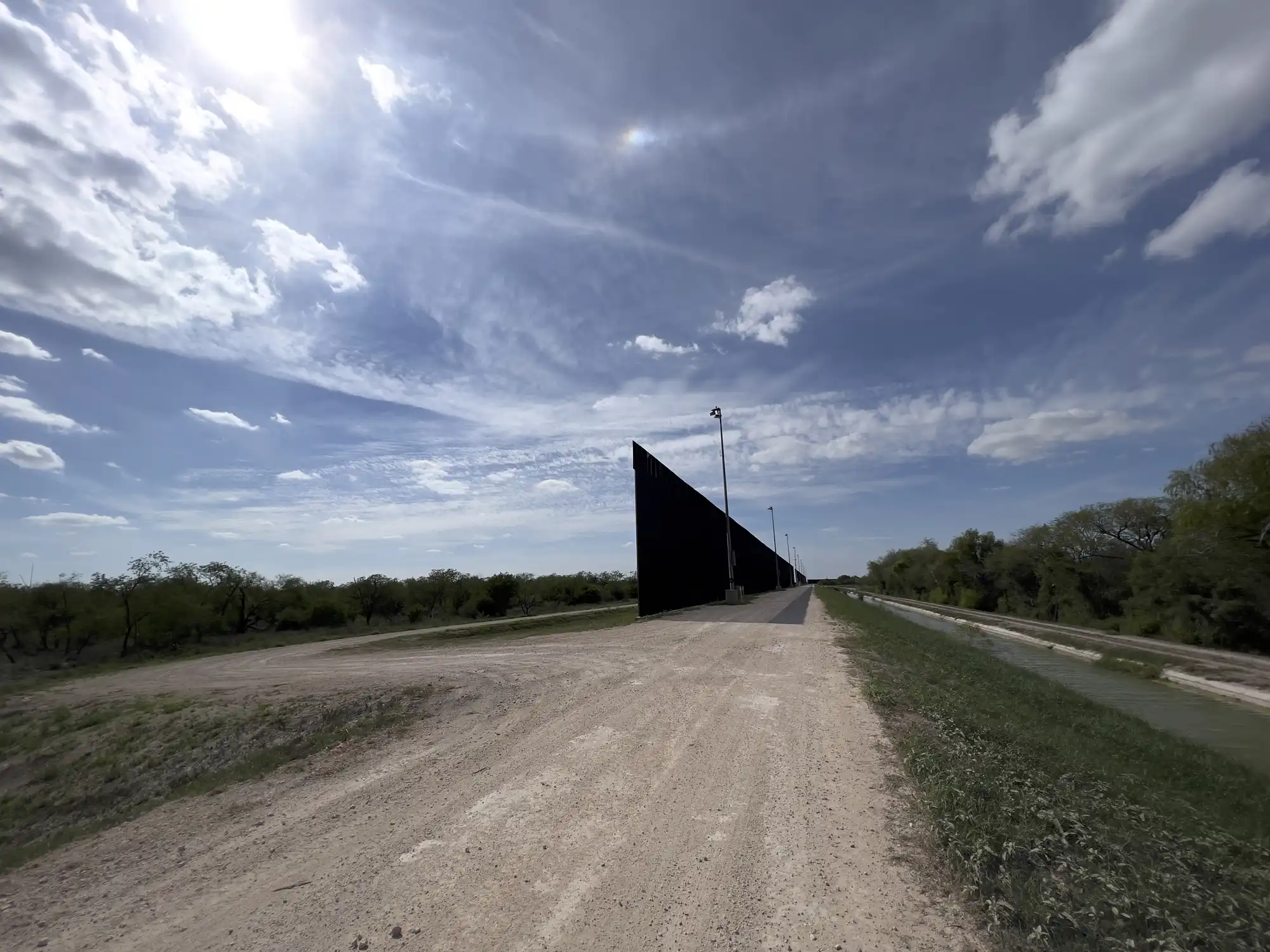
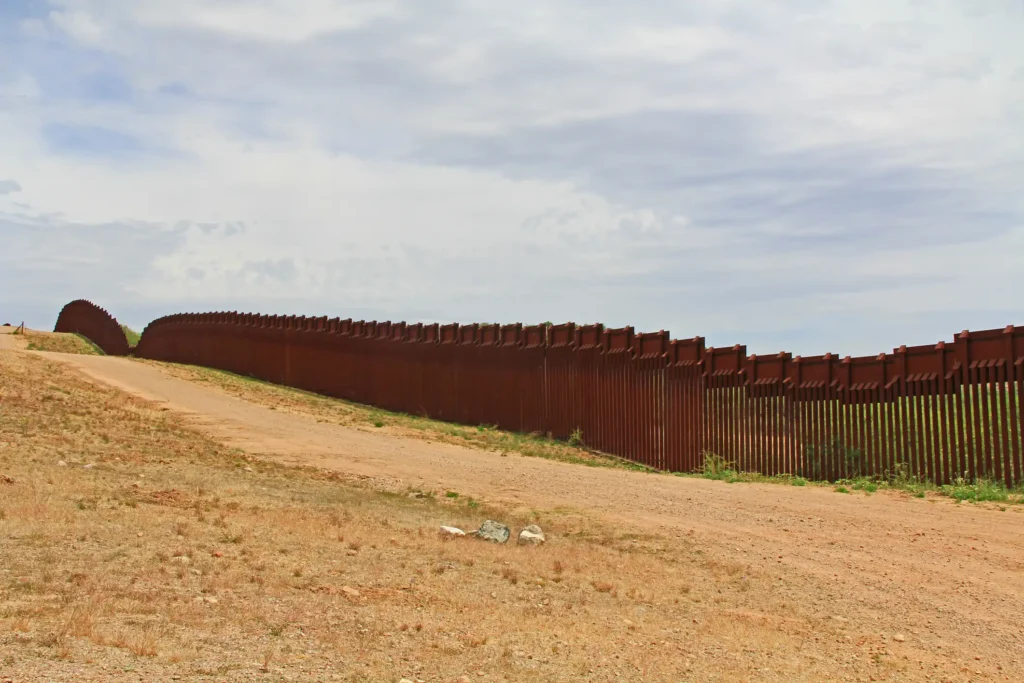
Trucks carried $642.2 billion worth of goods across the U.S.-Mexico border in 2025 — 73.6% of all bilateral freight value. The U.S.-Canada corridor adds another $600 billion. Cross-border freight is not a specialty niche. It is the backbone of North American manufacturing, retail, and industrial supply chains.
And yet most shippers sign cross-border service agreements based on rate, transit time, and a reference call — without asking the questions that actually predict whether a provider can execute when conditions get difficult.
A broker who cannot answer these questions clearly may be managing freight reactively rather than strategically. Here are the seven questions that separate capable cross-border partners from ones that look good until something goes wrong.
Question 1: Do You Have Physical Presence on Both Sides of the Border?
This is the foundational question — and the one most providers answer vaguely.
Ask specifically whether the provider has operational teams and facilities in Mexico — not just a U.S.-side terminal with a broker contact across the line. Coverage that stops at Laredo means you lose visibility and control the moment freight crosses. Providers with offices in Monterrey and Guadalajara offer meaningfully better inland coordination and faster exception response.
For Canada, the same principle applies. A provider with presence in Toronto and Vancouver handles clearance and inland delivery differently than one who hands off to a Canadian agent after the border.
Question 2: Is Your Customs Brokerage In-House or Outsourced?
Documentation errors are the leading cause of border delays — and when brokerage is outsourced, the accountability gap between the freight provider and the customs broker creates exactly the kind of communication failure that produces those errors.
Ask whether the provider handles customs documentation internally or through a third-party broker. If they outsource, ask who the broker is, how they communicate on exceptions, and who you call when a shipment is held for a documentation problem at 7 PM on a Friday.
An in-house customs team with direct accountability to your freight provider is fundamentally different from a handoff to a third party. Know which one you are getting before you sign.
Question 3: Are You C-TPAT Validated and FAST Certified?
C-TPAT validation confirms that a carrier has met CBP’s supply chain security standards — and FAST certification gives drivers access to dedicated express lanes at land border crossings that can reduce wait times by 30 to 50% during peak congestion periods.
The baseline credential set for a serious cross-border carrier includes C-TPAT validation, FAST certification, and a current FMCSA safety rating. Ask to see documentation for each — not just a verbal confirmation.
For shippers moving high-frequency volumes through Laredo or Otay Mesa, the difference between a FAST-certified carrier and a non-certified one shows up in transit time consistency over an entire year of shipments.
Question 4: What Is Your On-Time Clearance Rate on Our Specific Lanes?
System-wide averages are not what you are buying. You are buying performance on your specific origin and destination lanes.
Ask for on-time clearance rate data on the lanes most similar to yours — by crossing point, commodity type, and transit distance. A provider with strong system-wide averages may have weak performance on the specific corridor you need.
Establish clear performance metrics before you sign — on-time clearance rates, landed cost accuracy, and border wait times. These are the KPIs that determine whether the SLA has teeth or not.
Question 5: How Do You Handle Exceptions at the Border?
Every cross-border provider handles freight that clears without incident. The differentiator is what happens when freight does not.
Ask specifically: when a shipment is held for inspection, who calls you, how quickly, and what do they do next? Ask about their relationships with CBP officers at the crossings they use. Ask whether they have transloading facilities near the border to reroute freight if a crossing is congested or closed.
A capable cross-border partner absorbs variability on your behalf through established relationships with customs brokers, drayage providers, and border facility operators. A provider without those relationships responds to exceptions by relaying information — not by resolving them.
Question 6: What Happens When Your Primary Crossing Is Congested?
The Laredo corridor saw three major stress events in 2026. Each time, shippers reliant on a single crossing experienced backlogs of 30 to 50 loads.
Ask whether the provider has operational relationships at alternative crossings — Eagle Pass, El Paso, or Otay Mesa for southbound freight — and how quickly they can activate those alternatives when the primary crossing is compromised.
A provider who can reroute within hours is a logistics partner. A provider who puts you in a queue and waits for conditions to improve is a capacity holder.
Question 7: Can You Provide References From Shippers With Similar Freight Profiles?
Rate sheets are easy to present. Performance data from comparable shippers is harder to fabricate.
Ask for references from shippers with similar freight characteristics — commodity type, crossing volume, lane length, and service requirements. Ask specifically about how the provider performed during disruption events — not just during normal operations.
Any provider worth signing with should be able to produce at least two references on your specific corridor. Any provider who cannot should answer the obvious question of why.
How Jansson LLC Helps U.S. Businesses Find the Right Cross-Border Partner
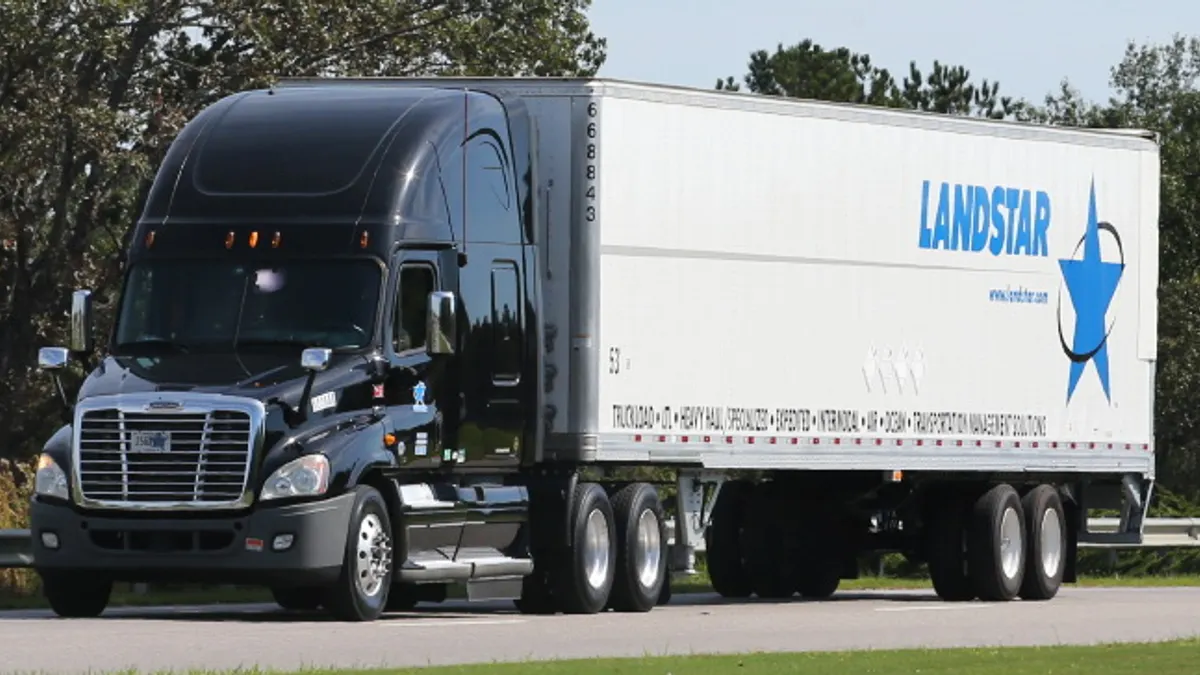
Signing a cross-border SLA based on rate and reputation is how businesses end up renegotiating their freight contracts six months later. The questions above are what prevent that.
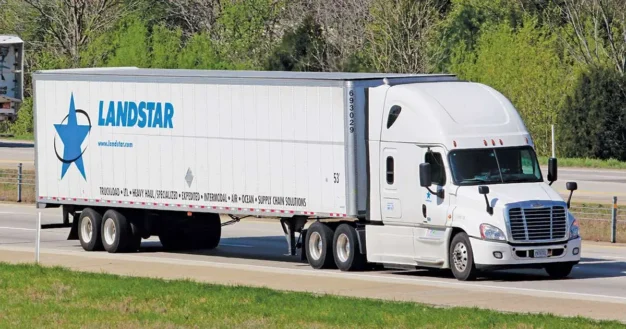
Jansson LLC is a Landstar freight agent with access to a nationwide carrier network — including experienced cross-border operators on U.S.-Mexico and U.S.-Canada corridors who can answer all seven of these questions with documentation rather than assurances.
Contact Jansson LLC today. Let’s evaluate your cross-border lanes and find the provider who can answer these questions — before you sign anything.