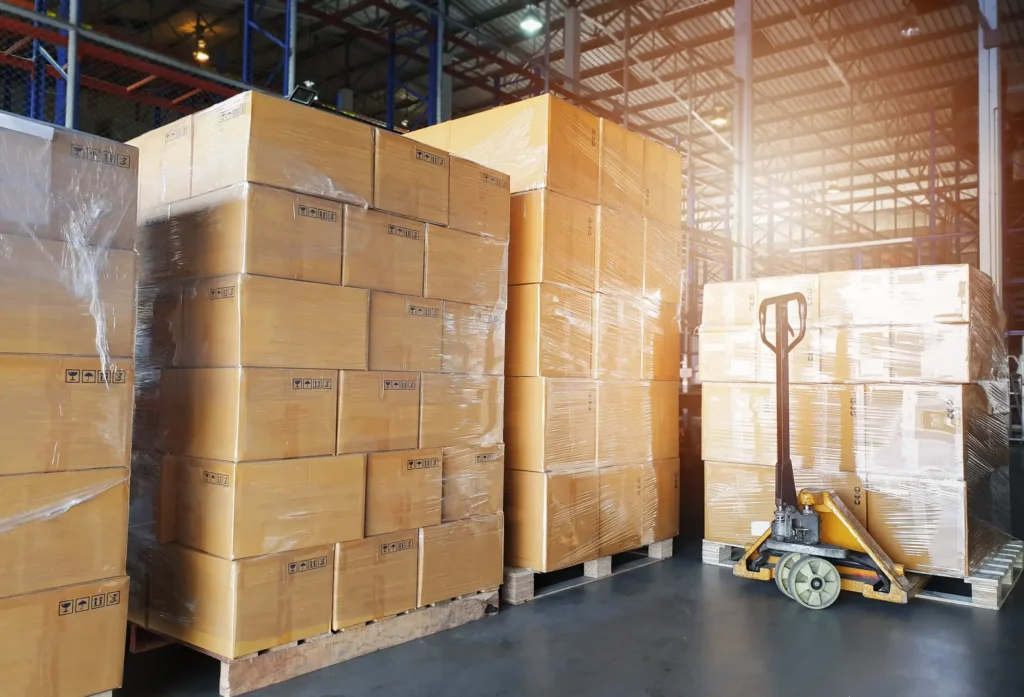
Booking an unexpected inside delivery can quickly turn an affordable freight quote into an expensive billing nightmare.
Shippers across the country often assume that commercial trucking automatically brings pallets straight through an office door.
Standard LTL shipping only covers moving cargo from one loading dock to another loading dock. Extra handling past the back of the trailer triggers separate accessorial charges that catch unprepared businesses completely off guard.
Recent transportation industry reports show that extra service fees now represent up to thirty percent of total shipping invoices.
Learning how delivery service tiers work ensures your freight arrives smoothly without surprise expenses eating away at profits.
Where Does Standard Dock Delivery Actually End?
Commercial truck drivers operate under very strict delivery guidelines whenever they arrive at a receiving facility.
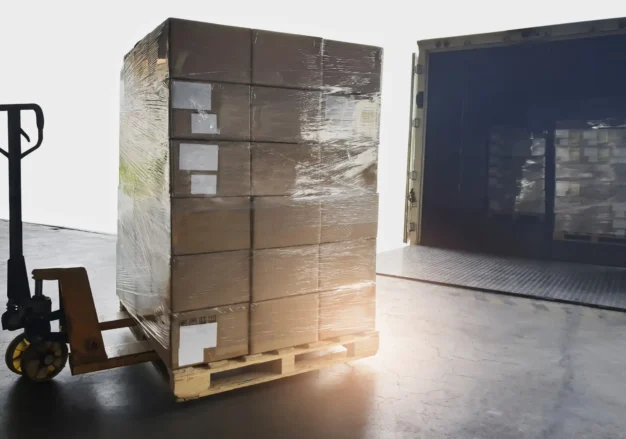
Their legal responsibility ends the exact moment cargo reaches the tail of the trailer or the edge of the customer’s raised loading dock.
Expecting a driver to lower heavy pallets to the ground without a booked liftgate brings the entire delivery to a dead stop.
Motor carriers do not enter warehouses, wheel pallets down hallways, or climb staircases during standard drop-offs.
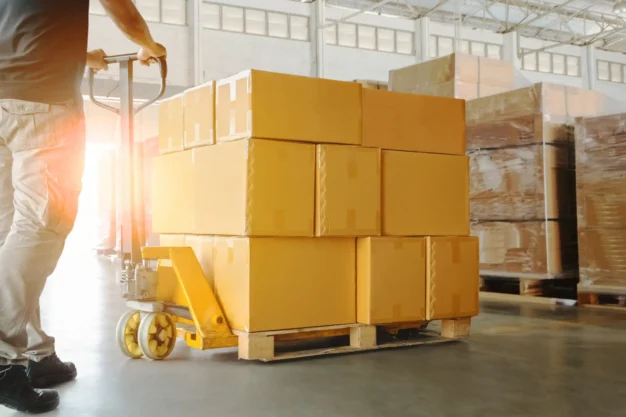
Anyone receiving the shipment must supply the necessary tools, forklifts, and warehouse workers to unload the freight themselves.
Many receiving managers mistakenly assume that delivery drivers are hired to place pallets wherever facility staff requests.
That basic misunderstanding creates instant billing disputes between business owners and freight dispatchers.
Because commercial drivers must stick to tight highway schedules, every single movement outside standard boundaries costs extra money.
Understanding this basic boundary prevents costly surprises before your next trailer arrives.
What Is the Real Inside Delivery Meaning for Shippers?
Unpacking the official inside delivery meaning reveals a very clear line between simple drop-offs and specialized building placement.
Freight industry terms can sound confusing, but every service level defines the exact physical boundary where a driver must stop.
Curbside drop-offs represent the most basic ground-level option, leaving cargo on the pavement or street just outside the property.
Moving up one service tier brings you to threshold delivery, which places pallets inside the first dry, secure shelter available.
Delivery teams performing this service leave boxes right inside an open garage door, front entryway, or ground-floor lobby.
Choosing a full inside delivery allows the driver to push freight deeper past the doorway into a designated interior workspace.
Terminal rules often limit this service to the ground floor unless freight elevators are clearly scheduled in advance.
White glove delivery sits at the very top of the service pyramid, providing complete unpacking, room assembly, and debris removal.
Why Do Accessorial Charges Stack Up on Delivery Invoices?
Extra service fees rarely travel alone once a commercial truck rolls up to an unprepared receiving dock. Delivering LTL freight to locations without raised loading bays instantly triggers a mechanical liftgate charge.
Residential addresses, construction sites, and rural schools also carry separate limited-access charges due to tight neighborhood streets.
Adding an unbooked inside delivery on top of those location fees multiplies your final invoice total significantly.
Carriers also bill detention penalties if a driver waits around while warehouse staff clears room for incoming pallets. Specific delivery appointment windows add another layer of scheduling fees to the final bill.
Combining four or five separate accessorial charges can easily double the original price of moving a single pallet.
Paying attention to destination constraints before dispatching a shipment is the best defense against runaway invoices.
What Communication Gaps Lead to Consignee Surprise Fees?
Expensive delivery disputes frequently develop when critical shipment details get lost between buyers and sellers.
Sales Promises and Buyer Assumptions
Most expensive delivery disputes begin with poor communication between company sales teams and their purchasing buyers.
Sales representatives frequently promise complete building delivery without checking whether the customer’s facility actually has a forklift.
Customers naturally expect heavy pallets to arrive directly at their stockroom shelf rather than sitting out on rain-soaked asphalt.
Driver Refusals and On-Site Signatures
When the driver arrives and refuses to wheel heavy boxes down the hall, frustrated buyers demand immediate inside service.
Signing the driver’s electronic delivery slip with an added service notation gives the carrier full permission to back-bill the shipper.
Transportation providers maintain detailed electronic records, making it nearly impossible to dispute charges that consignees authorized on-site.
Pre-Shipment Planning and Cost Prevention
Preventing these costly misunderstandings requires asking clear delivery questions before booking any freight shipment.
Gathering destination facts ahead of time allows your logistics team to select the right carrier tariffs from day one.
Clear conversations between buyers and sellers save thousands of dollars in unnecessary shipping penalties every year.
How Can Shippers Build a Foolproof Delivery Checklist?
Creating a standard destination intake checklist eliminates billing surprises across every shipping lane.
Loading Dock and Liftgate Verification
Begin by confirming whether the receiving building features a standard dock-high loading bay. Facilities without elevated docks always require a hydraulic liftgate to lower pallets safely to ground level.
Checking ground clearance beforehand avoids mid-delivery panics when big trailers pull up to standard grade-level warehouses.
Shelter Needs and Threshold Delivery
Determine early whether the customer needs threshold delivery to protect weather-sensitive freight from rain and wind. Delivery teams can quickly roll pallets just inside an entryway or garage to keep packaging completely dry.
Stopping cargo right at the building threshold eliminates street-level exposure while avoiding high interior carry fees.
Interior Obstacles and Placement Requirements
Ask whether the cargo must travel through narrow double doors, into freight elevators, or up interior stairs.
Specifying exact placement requirements prevents carriers from charging excessive detention fees while drivers figure out where boxes belong.
Pre-booking an inside delivery costs far less than paying penalty rates when drivers get held up unexpectedly at the curb.
Receiving Windows and Advance Appointments
Verify if the delivery site operates with restricted receiving hours or requires an advance telephone call. Documenting these details on the initial bill of lading ensures your carrier calculates accurate all-in pricing before dispatch.
Mastering this simple questionnaire keeps your overall LTL shipping program running smoothly and affordably.
How Does Jansson LLC Prevent Surprise Inside Delivery Fees on Your Freight Bill?
Navigating complex carrier delivery tariffs requires an experienced logistics partner who reviews destination requirements before cargo departs.
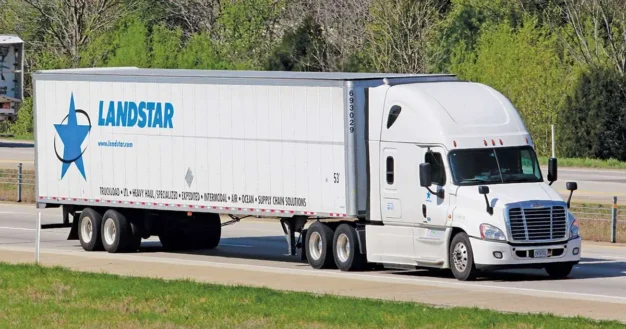
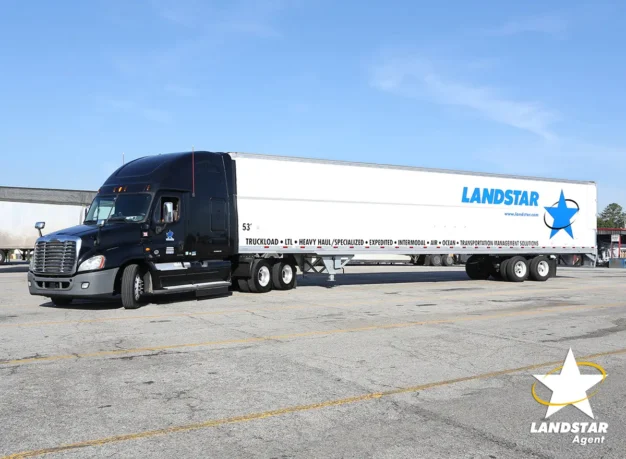
Operating as an authorized Landstar freight agent, Jansson LLC connects commercial shippers with an elite nationwide transportation network.
Dedicated freight specialists evaluate carrier rules, accessorial fee schedules, and equipment capabilities to match your specific shipping needs.
Every shipment is screened to determine whether your destination requires a liftgate, threshold drop-off, or full inside delivery.
Clarifying service tiers before trucks roll protects your business from surprise post-delivery billing adjustments.
Shippers enjoy transparent pricing, reliable equipment, and clear transit communication across all their LTL freight movements.
Partnering with Jansson LLC ensures your palletized goods arrive safely without draining your operational budget. Taking proactive control of your distribution costs starts with freight professionals who eliminate surprise dock fees before they happen.