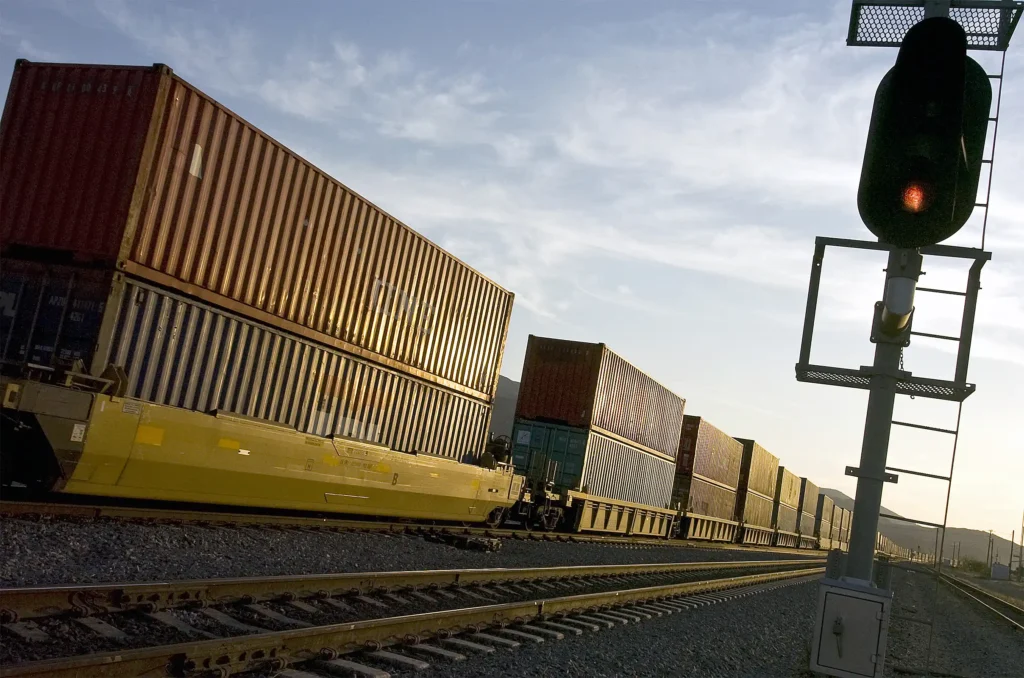
Unchecked hidden rail surcharges can quickly eat up the money you hoped to save on train freight. Shippers often celebrate when they see a low train rate, only to get hit with surprise fees on their final bill.
Moving freight by rail is usually a smart way to cut shipping costs.
But confusing rail yard rules and ticking penalty clocks can turn a good deal into a costly mess.
Learning where extra fees hide helps warehouse teams protect their shipping budget across every lane.
Why Do Low Rail Quotes Turn into Surprise Invoices?
Railroads run on very strict schedules that penalize any delays at train ramps.
Most intermodal shipping quotes look great at first because rail rates are lower than standard trucking rates.
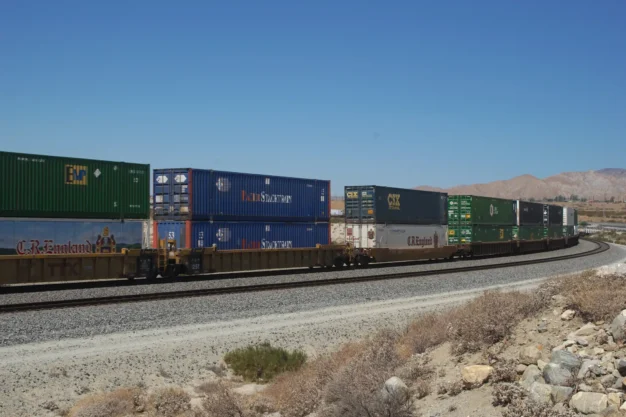
However, rail carriers rarely include yard storage fees in their original price estimates. That basic rate only covers the ride from one train terminal to another.
Extra charges kick in the moment a shipping box sits in the yard past its free time.
Busy logistics teams often miss arrival notices sent by the railroad.
Because of this lag, penalty fees pile up before local drayage trucks even arrive to pick up the load. Knowing how these hidden rail surcharges start keeps your team one step ahead of the carrier clock.
What Are the Big Three Rail Yard Penalty Fees?
Rail yards charge steep fees when equipment sits idle or blocks valuable yard space.
Ramp Storage Penalties
Ground storage is the daily fee billed when a container sits at a train yard past its free time.
Large rail lines like Union Pacific often give shippers just twenty-four hours of free time on domestic boxes.
International shipping containers might get forty-eight hours of free time before daily billing begins.
Once that short window ends, railroads charge high daily rates to force freight out of the yard.
Per Diem Equipment Charges
Equipment rental fees apply when you keep a railroad’s container or trailer chassis past the agreed cutoff.
Rail lines want their empty boxes back fast so other paying customers can use them. Leaving an empty box parked at your loading dock keeps that daily rental clock ticking.
Charges keep running every day until your driver returns the equipment to an approved yard depot.
Demurrage and Detention Rules
Railroad terms can confuse shippers because different rail lines use different words for their fees.
Demurrage usually means the fee billed while a container sits stuck inside a rail yard. Detention describes the cost of holding a container or a truck driver too long at your own warehouse dock.
Checking your carrier tariff closely ensures your team knows the exact daily rules for every load.
How Fast Do Daily Storage Penalties Add Up?
Storage costs do not stay flat over time; they jump higher the longer a box sits. Rail lines use stepped rates so companies do not use train yards as cheap storage lots.
These escalating fees represent the most damaging hidden rail surcharges in container shipping today.
For example, a standard railroad rule might charge $150 per day for the first two days after free time ends.
Days three through nine often jump to $250 per day. Starting on day ten, daily storage rates can leap to $500 per day.
Imagine a container sits at a train ramp for five days past its free time limit. Two days at $150 plus three days at $250 adds up to an extra $1,050 bill.
Leaving that same box stuck for ten days triggers a painful $2,550 fee before adding other equipment costs.
Paying thousands in extra yard fees can wipe out the savings from intermodal rail shipments.
What Is a Fuel Surcharge in Logistics?
Understanding what is fuel surcharge in logistics helps shippers track how energy prices change their total freight bills.
A fuel surcharge is an extra fee that carriers add to base shipping rates to cover the shifting cost of diesel fuel.
Because fuel prices go up and down every month, trucking companies and railroads cannot use fixed rate sheets. Instead, carriers tie their fuel fees to national fuel price averages shared weekly by the government.
When pump prices climb, the fuel surcharge goes up to protect the carrier from running at a loss. Falling fuel prices lower the surcharge added to your freight bill.
Unlike unexpected hidden rail surcharges, standard fuel fees follow clear math formulas that you can check before cargo moves.
Tracking this fee each week keeps your freight budget clear and predictable.
When Does a Container Turn into a High Risk Shipment?
Certain shipping delays can quickly turn a normal container into a high risk shipment that racks up massive fees.
Poor communication between sales teams, freight dispatchers, and receiving docks is the top cause of these problems.
Missed email notices leave boxes sitting in the yard without anyone knowing the free clock is running.
Missing customs forms or unreleased freight bills can also lock a container in place. Railroads will not pause daily penalty clocks while clerks look for missing paperwork.
Truck driver shortages near rail hubs create another huge risk for delivery plans.
Having a box ready at the ramp without a drayage truck ready to haul it brings heavy rail surcharges on your next bill.
Spotting these common snags early helps your team take action before penalty fees get out of hand.
How Can Shippers Prevent Surprise Rail Penalties?
Smart shipping habits allow companies to use rail transport without giving up their profit margins.
First, check the railroad tariff rules before booking your freight. Knowing your exact free time and weekend billing rules stops surprises before boxes leave the dock.
Second, book local drayage drivers days before your box reaches the destination ramp. Lining up trucks early means a driver can grab your container the minute the railroad marks it ready.
Third, pick a team member to track yard arrival notices every single morning. Watching the clock keeps your boxes from sitting past free time at busy rail ramps.
Fourth, check every freight invoice against real gate receipts to catch billing errors early. These simple operational habits protect your bottom line from painful hidden rail surcharges.
Why Working with Jansson LLC Keeps Intermodal Shipments Free from Hidden Rail Surcharges
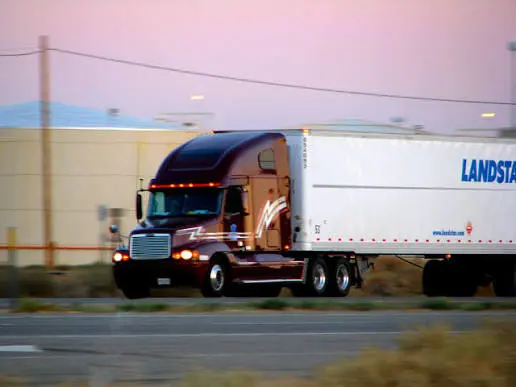
Managing complex rail rules is much easier when you work with an experienced freight team. As an authorized Landstar freight agent, Jansson LLC connects U.S. shippers with a trusted nationwide carrier network.
Our team works with skilled drayage drivers who know how to meet tight rail yard pickup windows. We track your container status daily to pull boxes before free time runs out.
Partnering with Jansson LLC gives you clear pricing, dependable trucks, and smooth communication on all your intermodal freight moves.
Best of all, proactive service prevents surprise hidden rail surcharges from landing on your freight bills. Contact Jansson LLC today to build a smooth rail shipping plan that keeps your delivery costs low.