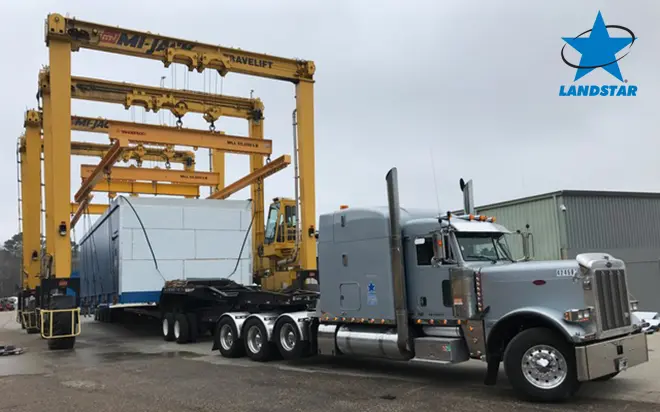
Curfew laws are one of the most confusing and expensive rules to follow in heavy haul shipping.
Most American companies do not even know these rules exist until their truck is stuck on the side of the road.
Moving a massive load between states seems like a simple job at first. You possess the right truck, the cargo is ready, and you know where it needs to go.
However, many businesses fail to realize that the rules change completely every time a truck crosses into a new state.
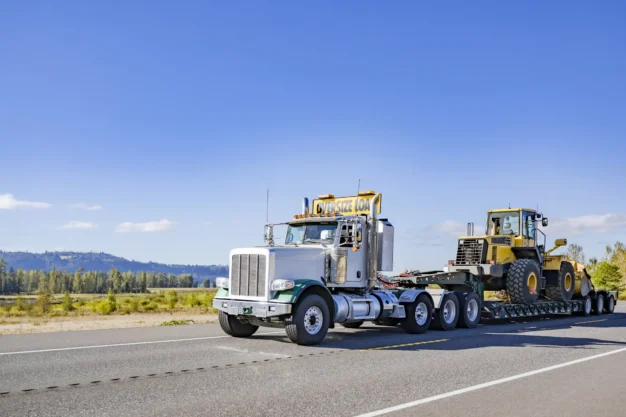
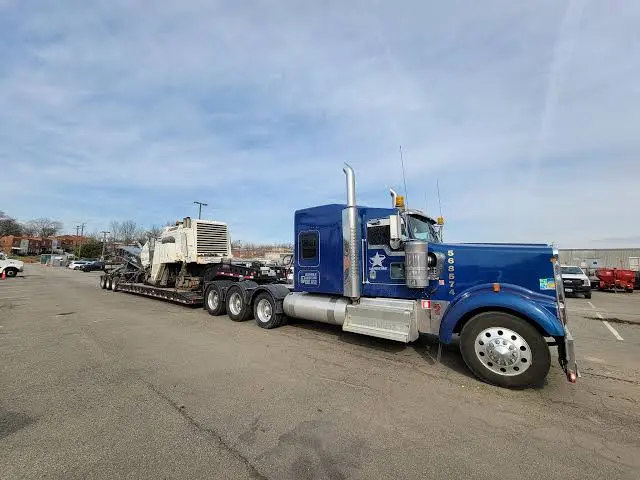
Imagine a 14-foot wide truck leaving Texas on a Tuesday morning. The first part of the trip might be perfectly legal and easy.
Once that truck enters Oklahoma, the permit paperwork becomes totally different.
Entering Kansas causes the travel times to change yet again.
By the end of the trip, the shipper had dealt with three different permit offices and three sets of curfew laws.
Every state agency has its own unique rules and waiting times that can slow everything down.
This situation happens to almost everyone in the shipping industry. It is simply the normal reality of moving heavy loads across the United States.
What Is a State Curfew Law?
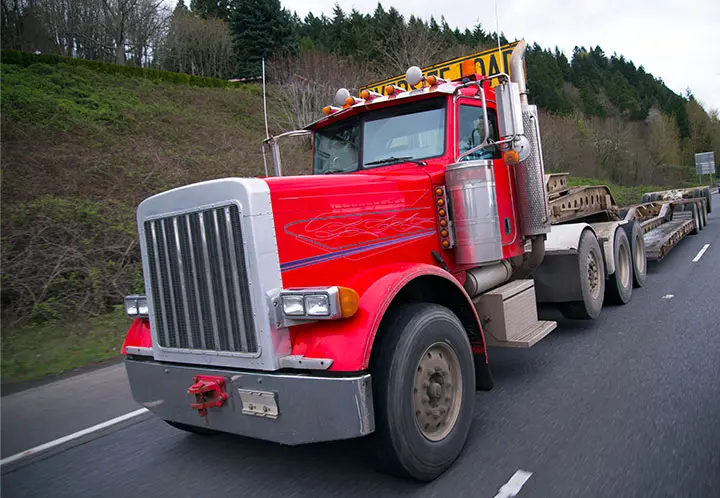
Curfew laws are rules that limit when a wide or oversized truck can drive on public roads.
These laws exist for a very simple reason. And that is, big trucks take up more than one lane.
Large loads slow down traffic and can be dangerous near construction zones or crowded cities.
States use these laws to make sure heavy loads only move when there are fewer cars on the road.
Usually, this means trucks must travel during the day and stay off the highways during rush hour or big holidays.
The Federal Highway Administration creates the basic rules for the whole country.
Any load wider than 8.5 feet is called an “oversize load” and needs a special permit to travel under federal law.
While the government sets these basic rules, each state adds its own specific curfew laws on top of them.
Because every state is different, the rules change a lot as a driver moves across the country.
How Different States Handle Curfew Laws and Why It Creates Chaos
No national standard exists for oversize load curfew laws in the United States. Each state creates its own unique set of rules.
These regulations often conflict with the requirements in neighboring states.
Daylight-Only Restrictions
Many states only allow oversized loads to travel during the day.
Trucks are forbidden from moving between thirty minutes before sunset and thirty minutes after sunrise.
If a wide load crosses different time zones or travels a long way, these rules can shrink the time available to drive.
This often turns a simple two-day trip into a journey that lasts three or four days.
Rush Hour Bans
Certain states have stricter rules than just daylight limits.
Ohio, for instance, stops any load wider than 12 feet from moving through 21 specific counties during the busiest commute times.
These bans happen between 6:30 and 9:00 AM and again from 4:30 to 6:00 PM on weekdays.
Trying to drive a huge piece of factory equipment through Columbus on a Friday afternoon is not just a bad idea.
It is against the law, and the expensive fines prove how serious the police are.
Weekend and Holiday Blackouts
Many states ban oversized loads from driving after noon on Fridays until the following Monday morning.
This rule basically means the weekend cannot be used for shipping heavy items on those specific routes.
Most states also add extra “blackout” days that cover the time before and after major national holidays.
Some regions even include their own local holidays, which makes the schedule even tighter for businesses.
The Permit Processing Gap
Every state handles its own paperwork separately. Some offices send out permits on the same day using computer systems.
Other places take three to five business days to finish the job.
A trip through several states requires a different permit from every single one the truck enters.
If just one state is slow to finish the paperwork, the entire truck must sit and wait. It does not matter if every other part of the plan is ready to go.
Five Strategies to Navigate State Curfew Laws
Managing complicated curfew laws requires a lot of planning before the truck even leaves the warehouse.
1. Start the Paperwork Early for Every State
Permit applications for every state on your route should be sent in at the exact same time.
You will save many days by applying to all states at once instead of waiting for one to finish before starting the next.
2. Add Curfew Times to the Schedule
Map out every road restriction along your path before you even pick a moving date.
Find the states with the hardest rules and plan to be in those areas only when driving is allowed.
This might mean you have to change when the truck leaves or add a rest stop in a state with easier rules.
3. Plan Around Holidays and Weekends
Check the holiday calendars for every single state on your route before you start driving.
A truck leaving on Thursday might hit a state border on Friday afternoon and get stuck in a weekend blackout.
Moving your start date by just one day can stop the truck from being forced to wait around for 24 hours.
4. Double-Check Escort Car Rules
Different states require escort cars based on how wide your load is.
One state might require a single pilot car, while the next state needs two cars and a police escort.
Confirming these needs for every state helps you have the right helpers ready at every border crossing.
5. Work With a Logistics Expert
Working with a partner who understands the “patchwork” of different state rules is the best way to handle this mess.
These experts stay updated on rule changes that states make all the time.
How Jansson LLC Helps Heavy Haul Shippers Navigate State Curfew Laws
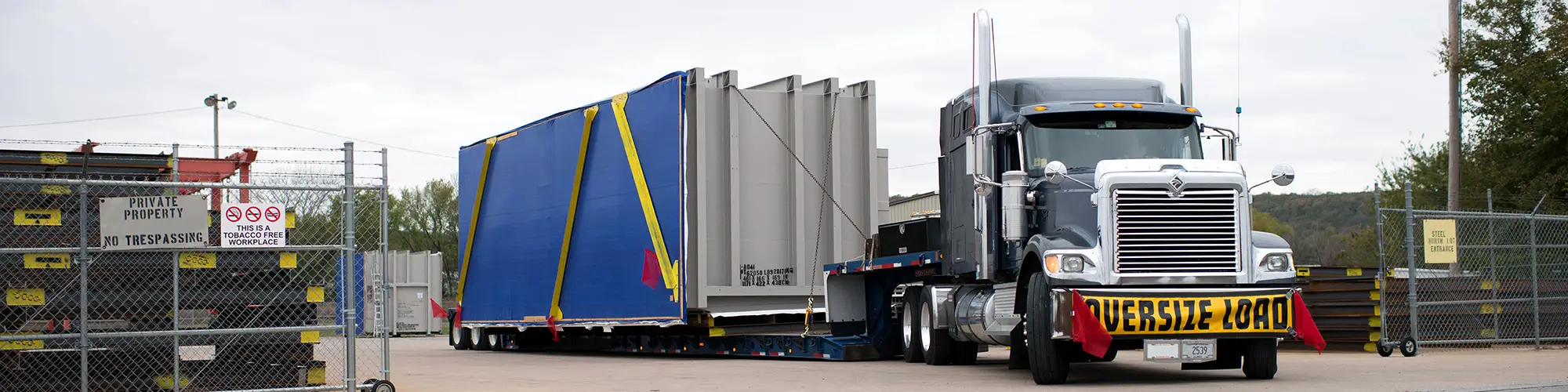
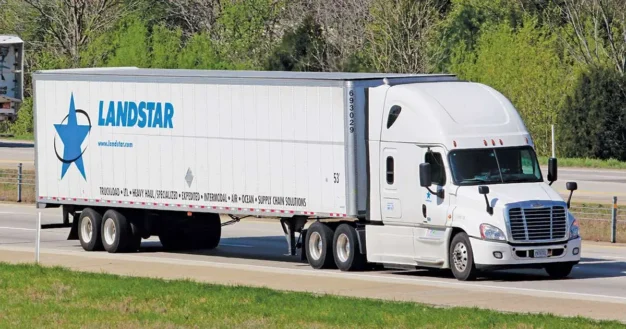
Jansson LLC works as a Landstar freight agent to connect businesses with a massive network of heavy haul truck drivers across the country.
These drivers are experts who understand how to get permits for oversized loads, check routes for problems, and coordinate with escort cars.
Using the Landstar network, Jansson helps American companies plan their big moves while staying fully aware of all curfew laws.
They make sure permits are requested from every state at the same time so no one is stuck waiting.
Curfew times are mapped out before the truck ever leaves, and helper cars are confirmed far in advance.
When a huge load needs to cross several states with different sets of rules, you need a partner who knows those laws before the trip begins.
Having an expert on your side is the best way to keep your shipment on time and avoid wasting money.
Get your custom route analysis from Jansson LLC and ensure your oversized load never hits a surprise state boundary or a weekend blackout.